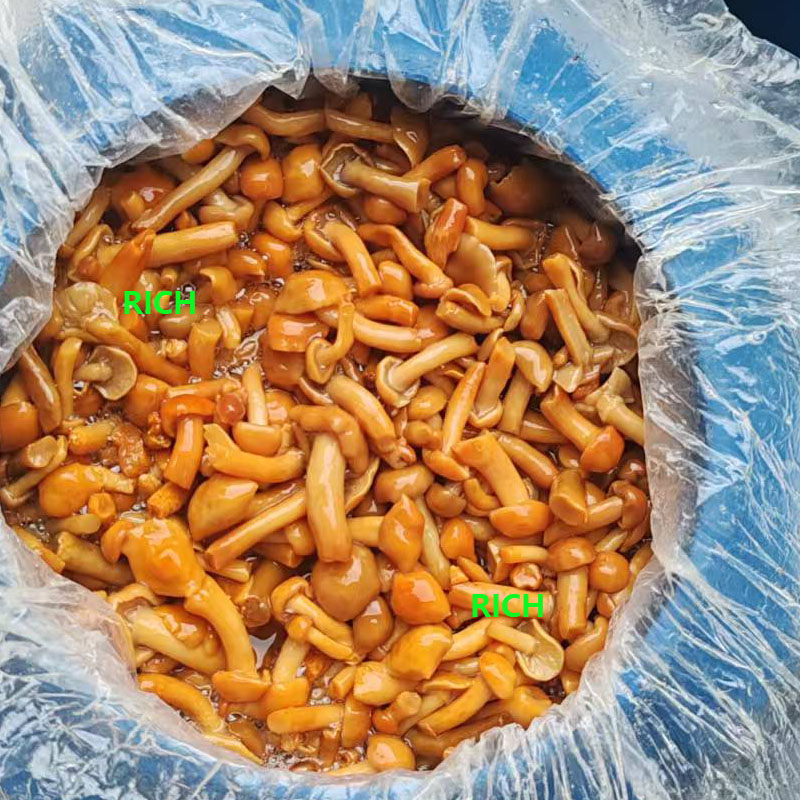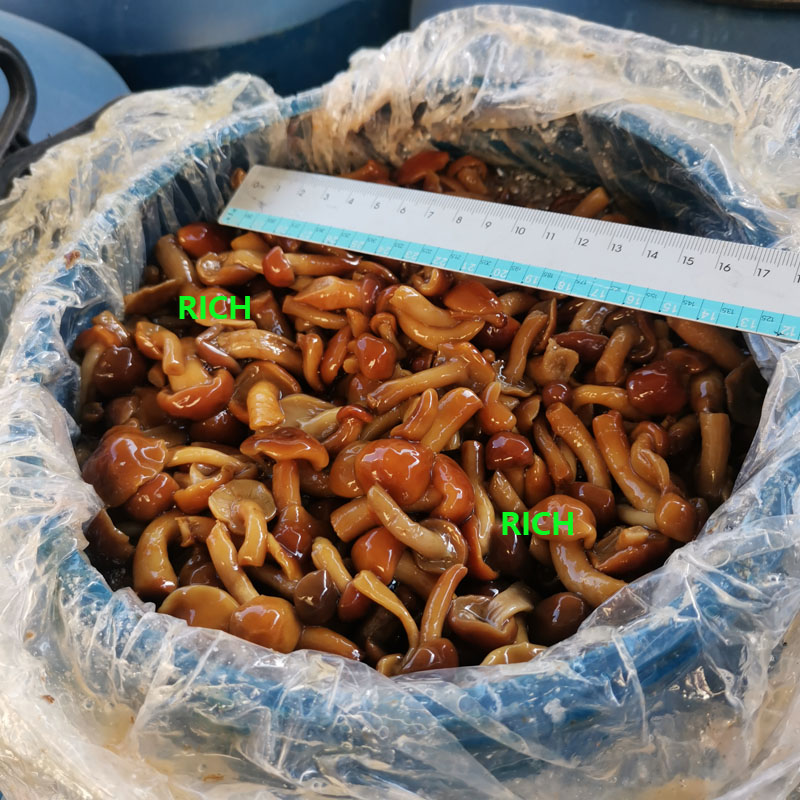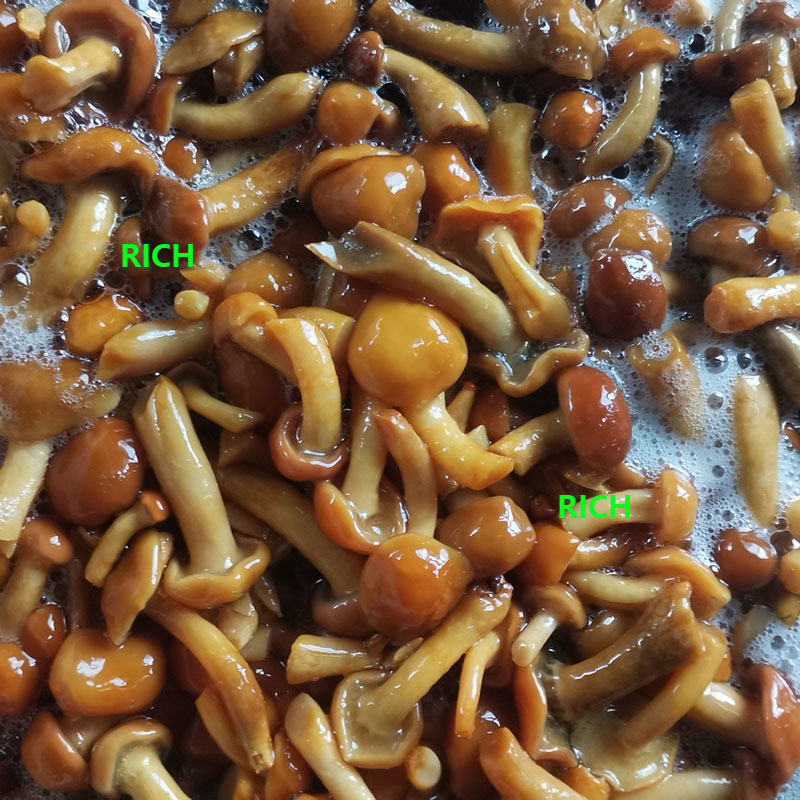
Nameko in brine in drums
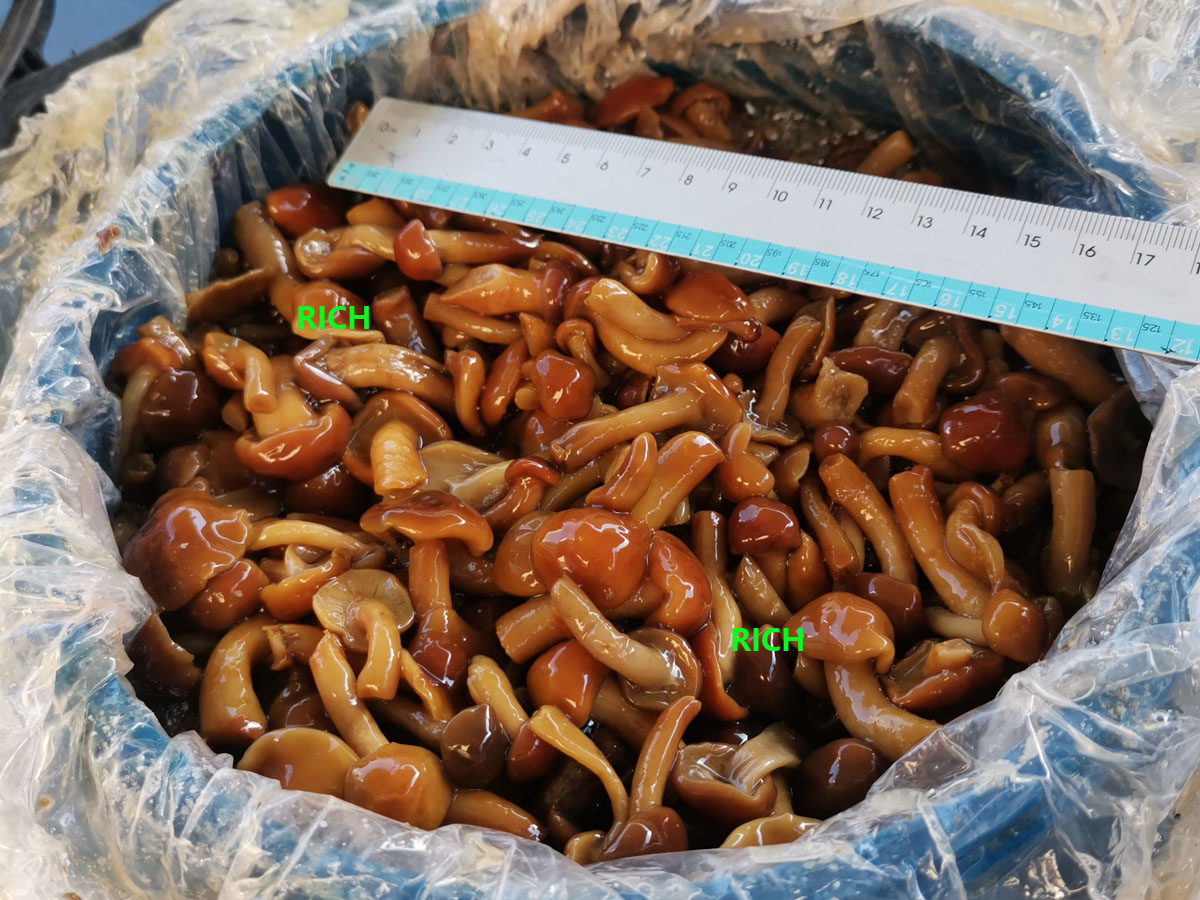
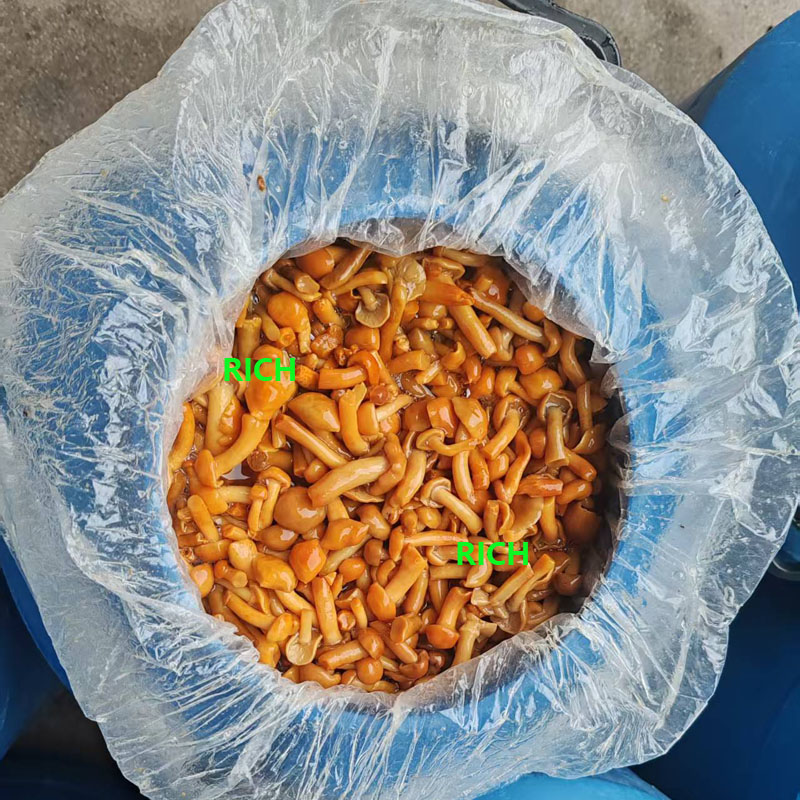
Nameko in brine in drums. Nameko mushroom in brine is a semi-processed, bulk ingredient designed for manufacturers who require stable quality, flexible inventory management, and efficient downstream processing.
Processing Characteristics of the nameko in brine in drums
• Harvested at optimal maturity to ensure uniform cap size
• Gentle handling to preserve the natural glossy surface
• Brine preservation helps stabilize texture during long-distance transportation
• Controlled salting slows enzymatic activity and microbial growth
The brine method allows the mushrooms to remain processable over an extended periodwithout freezing.
Handling & Reprocessing Advantages of the nameko in brine in drums
• Easy desalting by water rinsing or soaking
• Maintains integrity during cutting, slicing, or cooking
• Suitable for both heat-processed and frozen end products
• Minimal yield loss during secondary processing
This makes the Nameko in brine in drums ideal for factories with multi-stage production lines.
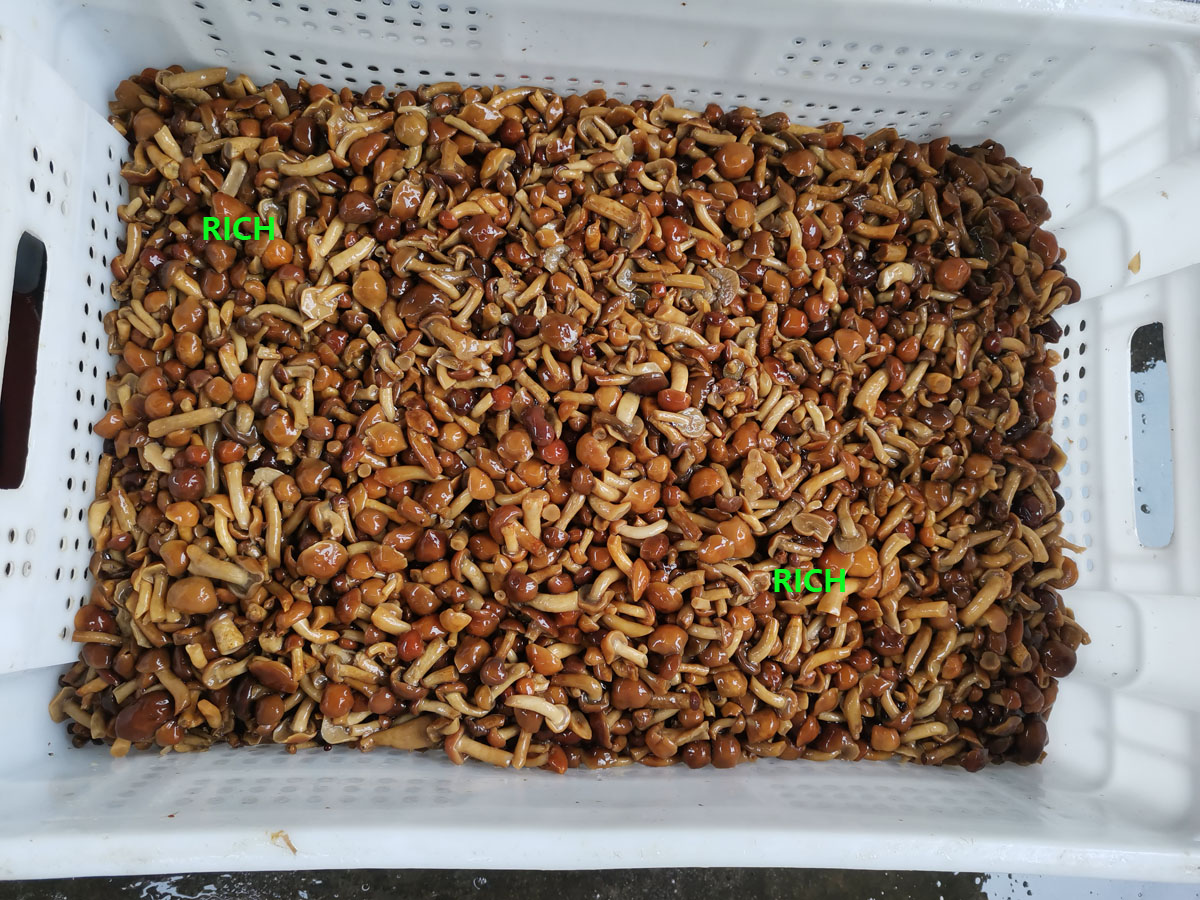
Quality Consistency
• Uniform appearance batch to batch
• Stable color retention after reprocessing
• Predictable cooking performance
• Reduced seasonal raw material fluctuation
Supply & Logistics Benefits for the Nameko in brine in drums
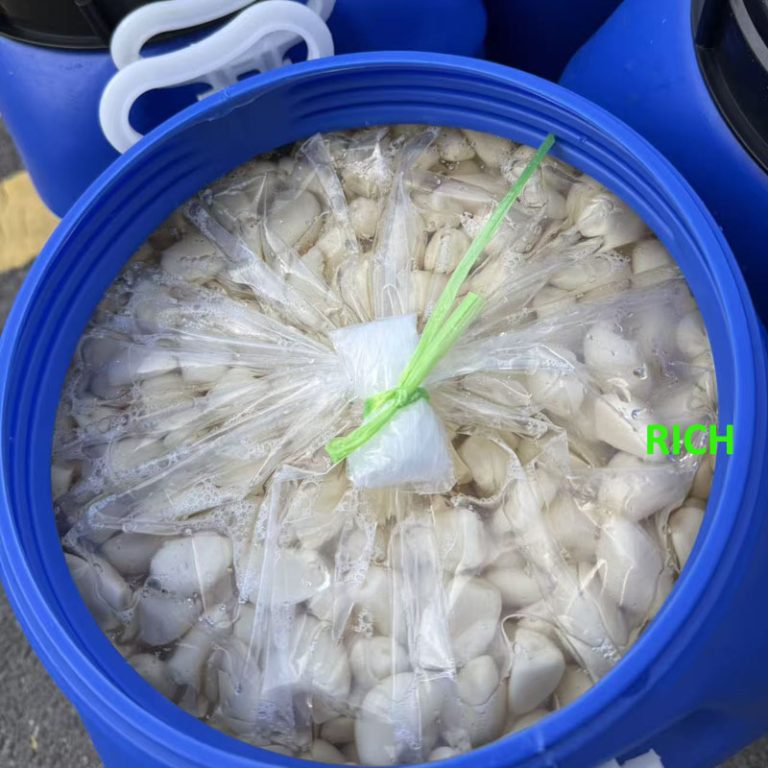
• Drum packing supports bulk storage and stacking
• No cold storage required (under recommended conditions)
• Lower logistics cost compared with frozen raw materials
• Ideal for long-term contracts and planned production cycles
Processing Flow – From Brine to Final Product
1. Drum Opening & Inspection
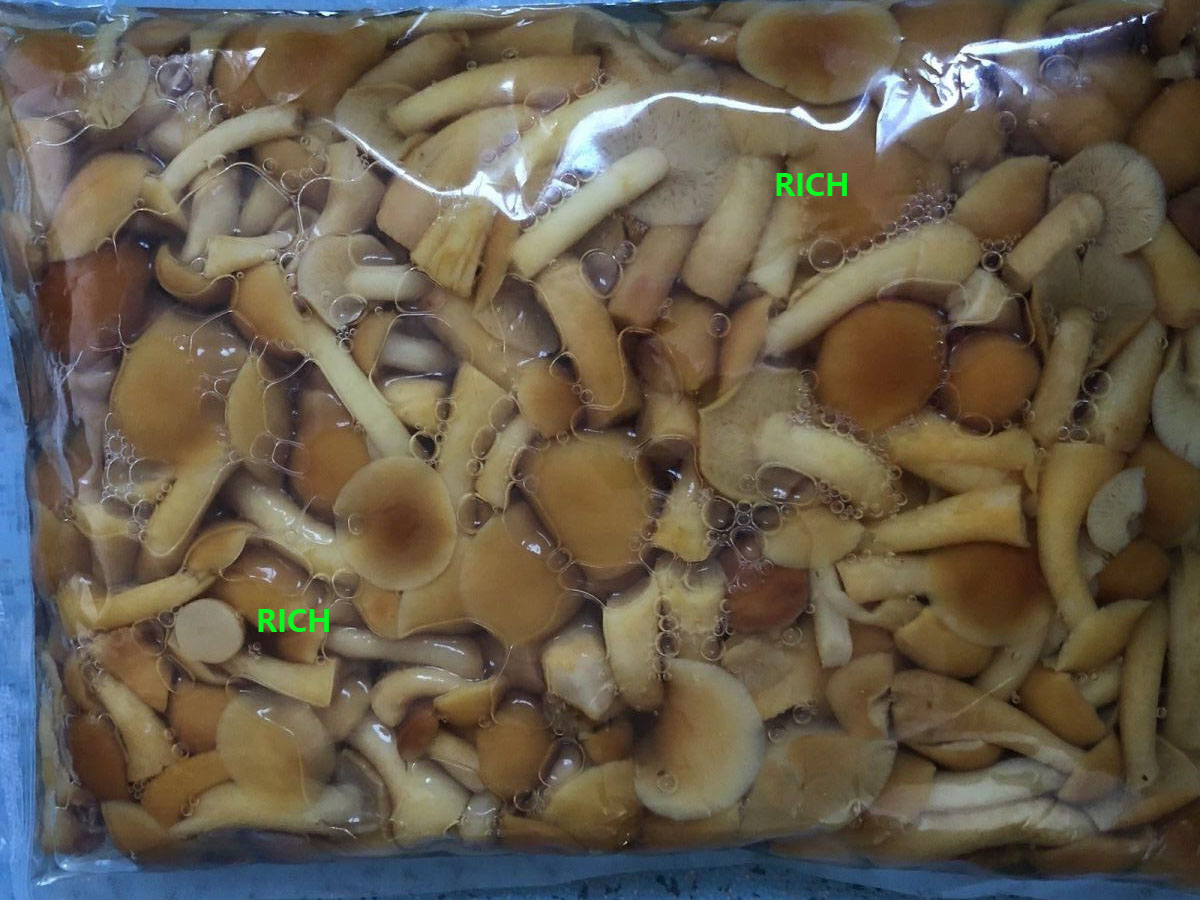
Drums are opened under hygienic conditions. Mushrooms show natural glossy caps with stable color and intact structure.
2. Desalting Process
• Rinse with clean water 1–3 times
• Soaking time adjusted according to target salt level
• Salt removal is fast and controllable
3. Optional Pre-Treatment
• Cutting or sizing (if required)
• Light blanching or direct cooking
• Suitable for both thermal and frozen processing lines
4. Further Processing Options
• Canning
• IQF or block freezing
• Ready-meal formulation
• Soup base or sauce production
5. Final Packaging
Packed into cans, pouches, trays, or bulk frozen packs according to customer requirements.
Quality Performance After Reprocessing of the nameko in brine in drums
-
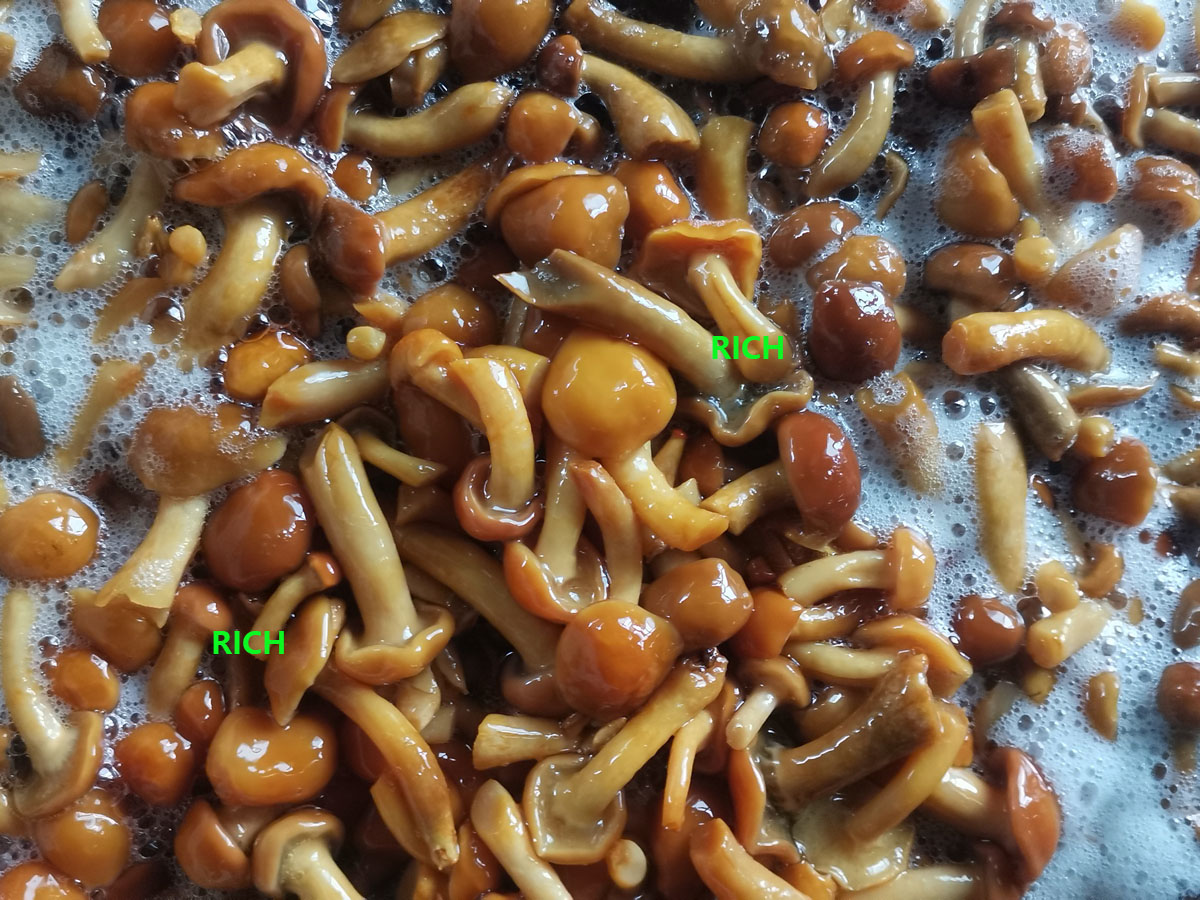
Good color retention after heating
-
Consistent texture in finished products
-
Mild flavor easily absorbs seasonings
-
Suitable for multi-ingredient formulations
Recommended End Products from the nameko in brine in drums
-
Canned mixed mushrooms
-
Frozen mushroom assortments
-
Asian soups and hotpot ingredients
- Prepared meals and food-service items
FAQ – Nameko in brine in drums
Q1: What is the main purpose of nameko in brine?
This product is a semi-processed raw material intended for further processing such as canning, freezing, ready-meal production, or sauce manufacturing.
Q2: Why is brine used instead of freezing?
Brine preservation allows long shelf life without frozen storage, reduces logistics cost, and provides greater flexibility for production planning.
Q3: Does the brine affect the final taste?
No. After proper desalting, the mushrooms retain their natural mild flavor and easily absorb seasonings during further processing.
Q4: Is desalting difficult?
No. Desalting is simple and efficient through rinsing or soaking in clean water. Salt reduction can be precisely controlled according to processing needs.
Q5: Will the mushrooms keep their shape after reprocessing?
Yes. Nameko in brine maintains good structural integrity with low breakage during cutting, cooking, or freezing.
Q6: Is blanching mandatory before further processing?
Blanching is optional and depends on the final product. The mushrooms can be blanched, cooked directly, or frozen after desalting.
Q7: What industries typically use this product?
• Canning factories
• Frozen food manufacturers
• Ready-meal producers
• Central kitchens
• Food ingredient traders
Q8: Can salt level be customized for long-term cooperation?
Yes. Salt concentration can be adjusted to match your processing line and storage requirements.
Q9: How should the drums be stored?
Store in a cool, dry place, away from direct sunlight. No cold storage is required under recommended conditions.
Q10: What is the typical shelf life?
12–24 months, depending on brine specification and storage conditions.
Q11: Is the product suitable for export markets?
Yes. It complies with export food safety standards, and full export documents can be provided.
Q12: What documents are available?
COA, packing list, commercial invoice, health certificate, and other required export documents.