IQF Frozen Whole Raspberry
IQF Frozen Whole Raspberry Definition
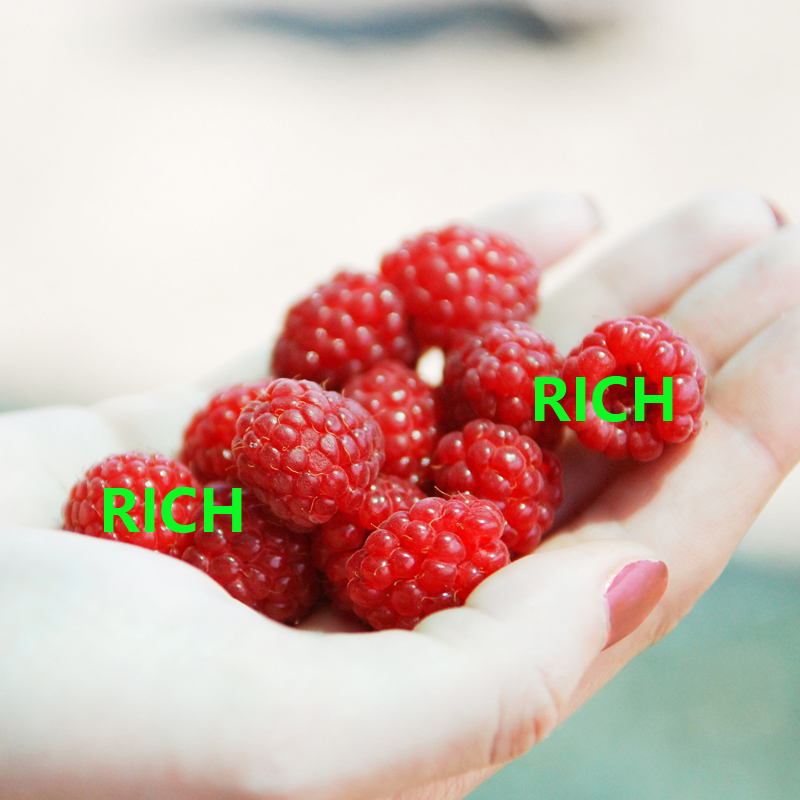
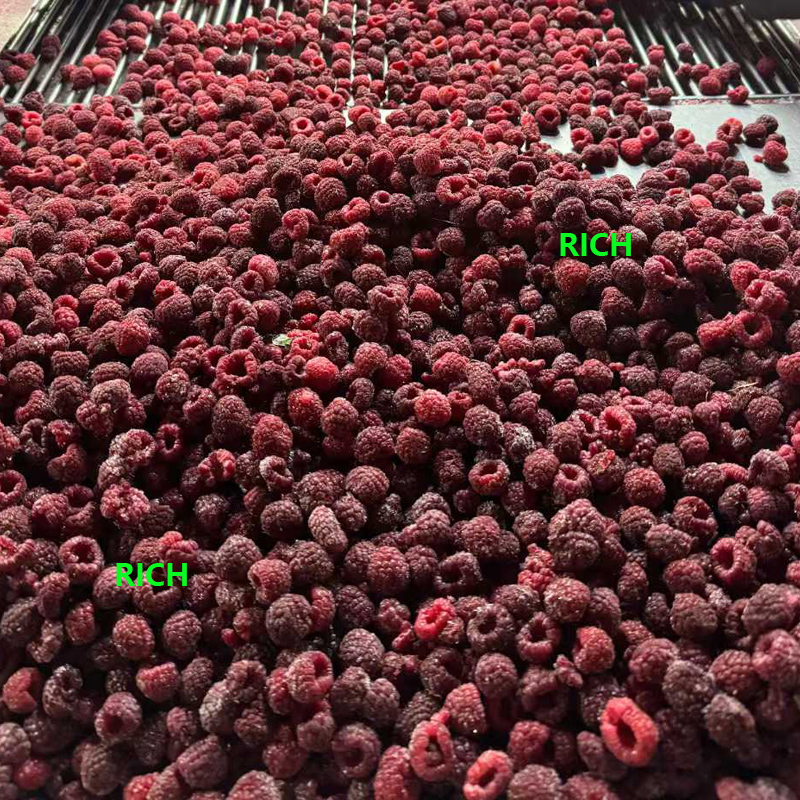
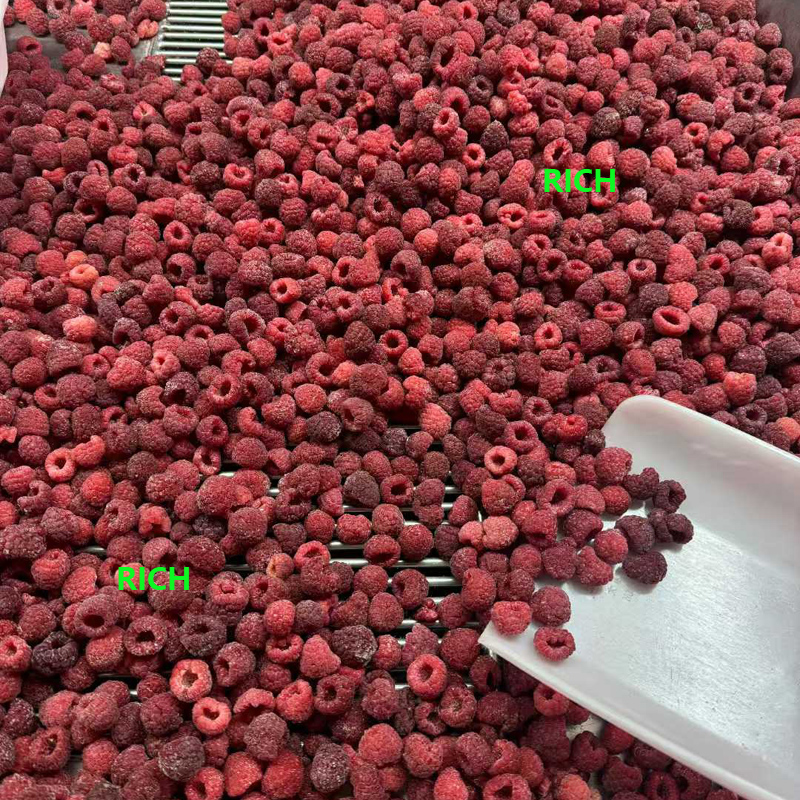
IQF Frozen Whole Raspberry are produced by freezing individual, intact berries in a high-speed freezing environment that locks in aroma compounds and visual brightness at peak ripeness. Unlike general frozen raspberries, this product emphasizes berry integrity, separation efficiency, and controlled surface frost, making it suitable for applications where whole-fruit identity matters.
Distinctive Fruit Behavior
Raspberries respond uniquely to IQF processing due to their aggregate drupelet structure. The IQF method creates a fast outer freeze layer that:
Stabilizes berry geometry
Limits deformation during packing
Reduces berry-to-berry adhesion
Preserves natural hollow-center structure
This results in berries that remain distinct and pourable even after extended frozen storage.
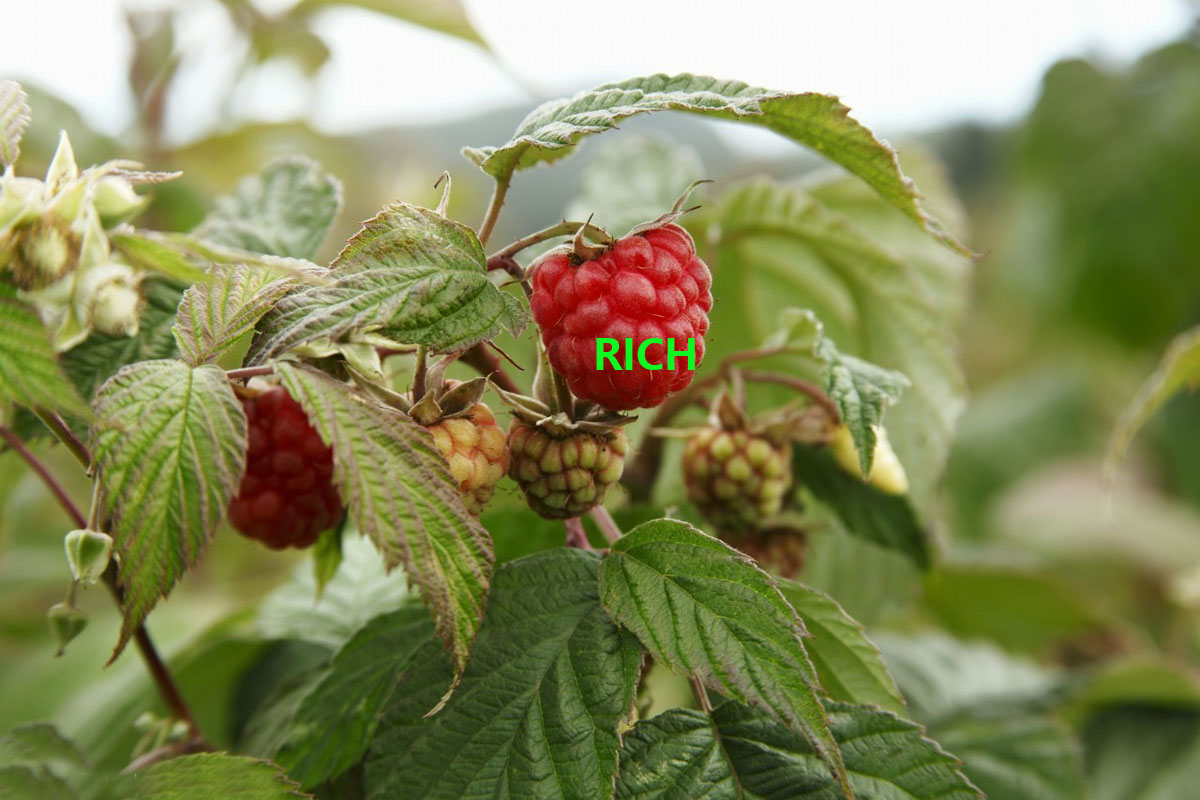
Raw Material Intake Standards for IQF Frozen Whole Raspberry
Harvest window tightly controlled for firmness
Berry diameter screened for size uniformity
Low field temperature upon arrival
Surface moisture optimized before freezing
Manual and optical inspection applied
Only berries meeting whole-fruit IQF suitability are accepted.
Freezing & Separation Process for IQF Frozen Whole Raspberry
Pre-cooling to remove residual field heat
Rapid air-blast IQF freezing with calibrated airflow
Continuous vibration for separation
Final metal detection before packing
Target result: Free-flowing, non-agglomerated whole berries.
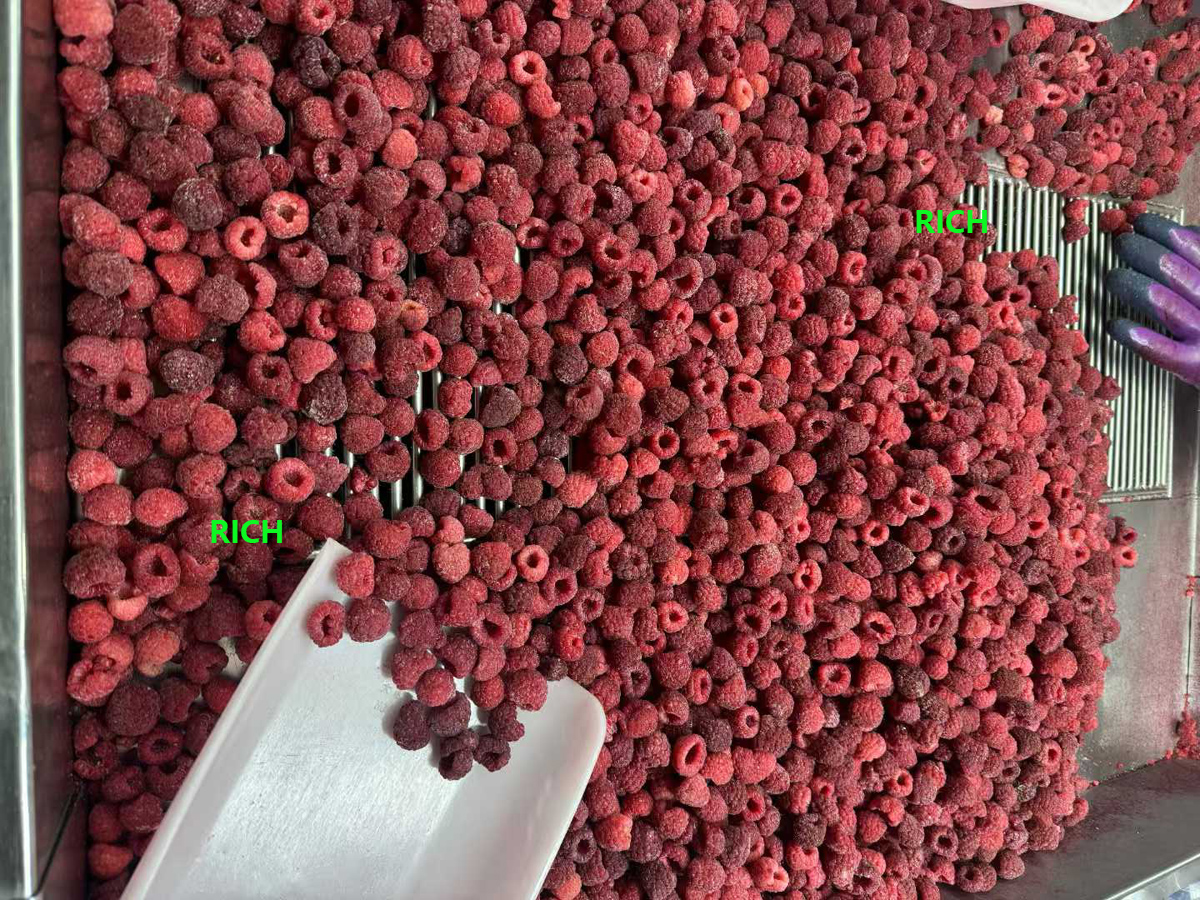
Post-Freezing Physical Profile of the IQF Frozen Whole Raspberry
Shape: Whole, clearly defined berry form
Flowability: Excellent (free-pour)
Frost level: Light, even surface ice
Color tone: Deep red to crimson
Aroma: Fresh raspberry notes retained
This profile supports both visual appeal and process efficiency.
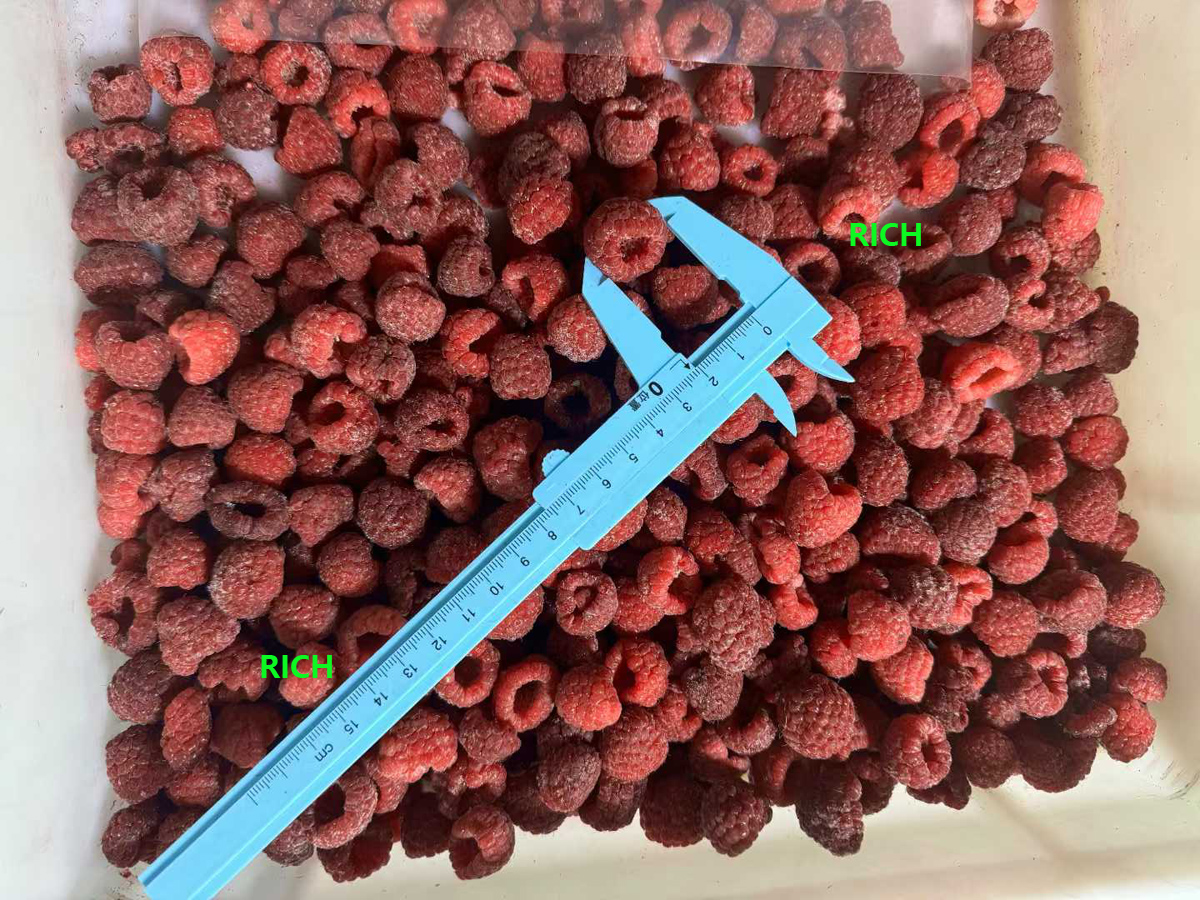
Typical Specification Indicators (Reference Values)
Whole berry ratio: High
Cluster presence: Minimal
Juice staining: Controlled
Foreign material: None
Off-odor: Absent
Exact tolerances can be customized per customer program.
Packaging Formats for IQF Frozen Whole Raspberry
Retail-grade laminated pouches
Foodservice polybags in cartons
Industrial bulk cartons with liners
All formats designed to maintain IQF separation during transport.
Storage & Stability of the IQF Frozen Whole Raspberry
Recommended storage: ≤ –18°C
Avoid temperature cycling
Shelf stability: Up to 24 months
Product remains free-flowing when cold-chain is maintained
Functional Strengths of IQF Frozen Whole Raspberry
Accurate portion control
No thawing required before use
Reduced handling loss
Visual fruit identity in finished products
Consistent berry count per kg
IQF Frozen Whole Raspberry Primary Use Scenarios
Premium frozen fruit packs
Bakery decoration and inclusions
Dessert toppings
Chocolate enrobing
High-end foodservice plating
Handling Guidelines for IQF Frozen Whole Raspberry
Open only in frozen environment if possible
Reseal promptly after portioning
Use directly from frozen for best appearance
Do not compress during storage
Quality Systems for IQF Frozen Whole Raspberry
HACCP-controlled production
GMP-compliant facility
Lot-based traceability
COA available per shipment
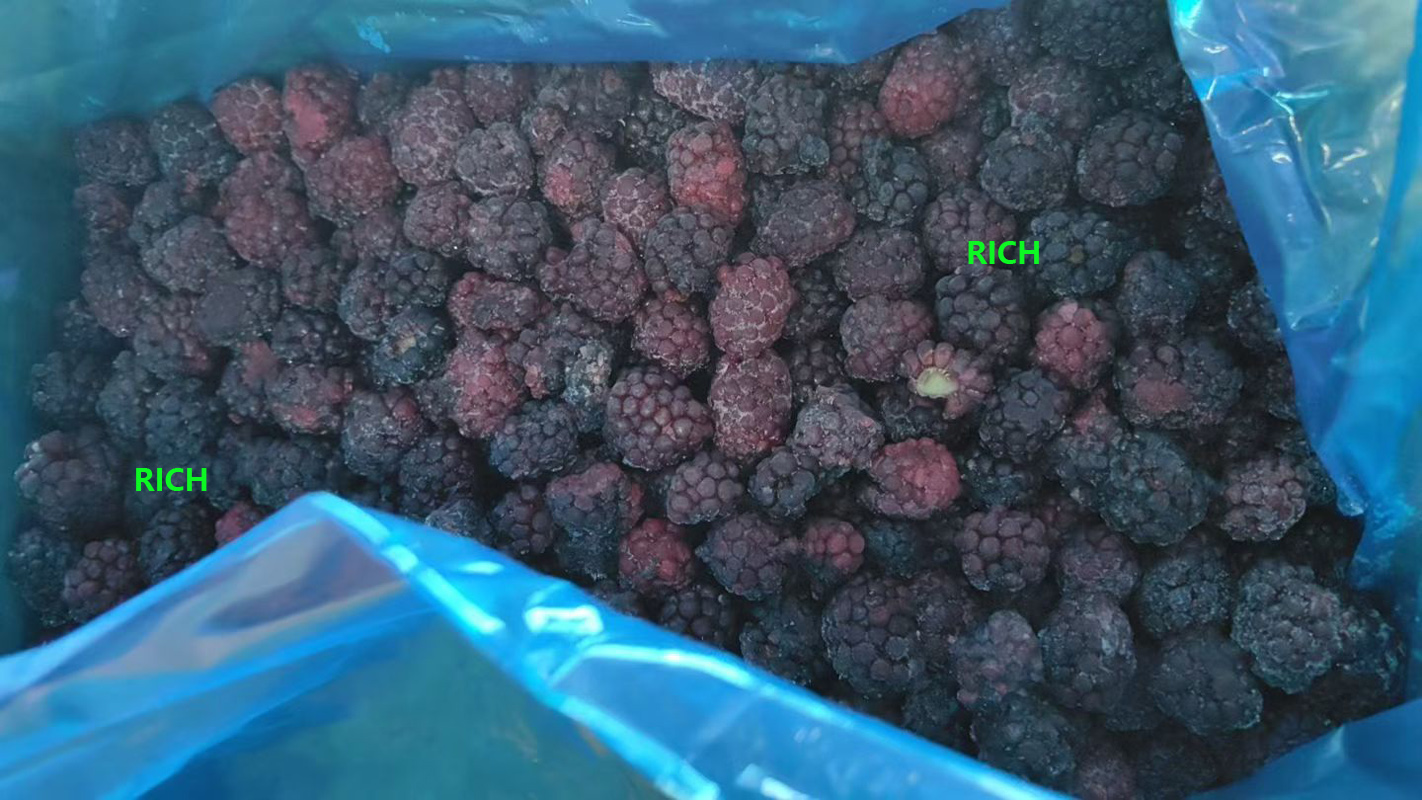
FAQ – IQF Frozen Whole Raspberry
Q1: Why are raspberries more fragile than other frozen berries?
Raspberries have a hollow core and very thin skin. During freezing, any slow temperature drop or rough handling can damage cell walls, making them naturally more delicate than blueberries or strawberries.
Q2: Are IQF Frozen Whole Raspberry washed before freezing?
Yes. They are gently washed and inspected before freezing. The process is designed to remove field debris while minimizing mechanical stress to the fruit.
Q3: Is IQF always required for frozen raspberries?
IQF is the preferred method because it keeps berries separate and free-flowing. Block freezing may be used for purée or industrial applications but is not suitable for retail whole-fruit use.
Q4: Why is juice leakage normal after thawing?
Juice release is a natural outcome of ice crystal formation inside the fruit. It does not indicate poor quality and is often beneficial in sauces, baking, and beverages.
Q5: Can IQF Frozen Whole Raspberry be eaten directly after thawing?
They are safe to eat, but texture will be soft. Frozen raspberries are intended mainly for processing rather than fresh-fruit presentation.
Q6: What causes clumping in IQF Frozen Whole Raspberry?
Clumping usually results from temperature fluctuation during storage or transport, causing partial thawing and refreezing. Stable cold-chain management prevents this issue.
Q7: Are preservatives or sugars added during freezing?
No. Standard frozen raspberries contain 100% fruit only, with no added sugar, preservatives, or colorants unless specifically requested for special formulations.
Q8: How should frozen raspberries be used in baking?
They should be added directly from frozen to prevent excessive color bleeding and to maintain even distribution in batters and doughs.
Q9: Can frozen raspberries be refrozen after thawing?
Refreezing is not recommended, as it significantly increases juice loss and degrades flavor and texture.
Q10: What is the typical shelf life of frozen raspberries?
Under stable storage at –18°C or below, frozen raspberries typically maintain quality for up to 24 months.
Q11: Do broken berries affect flavor quality?
No. Broken berries release flavor more quickly but do not reduce taste or aroma. They are often preferred for smoothies, jams, and purées.
Q12: Are frozen raspberries suitable for freeze-drying?
Yes. Frozen raspberries are a common raw material for freeze-dried fruit and fruit powder production.
Q13: How can processors reduce drip loss after thawing?
Using rapid freezing, stable cold storage, and controlled thawing under refrigeration helps minimize excessive juice loss.
Q14: Are frozen raspberries available year-round?
Yes. Freezing allows seasonal harvests to be supplied consistently throughout the year without flavor degradation.