Frozen Sweet Peppers
Product Definition
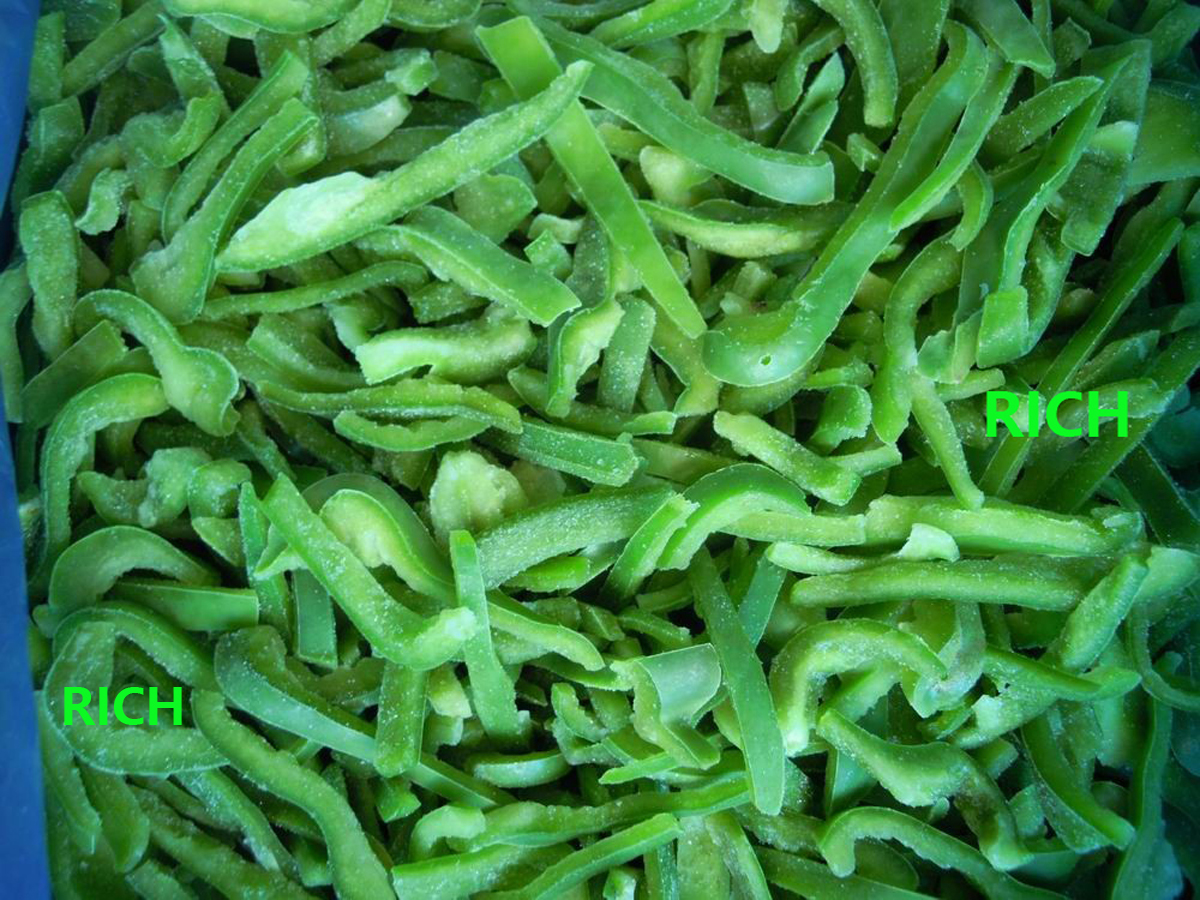
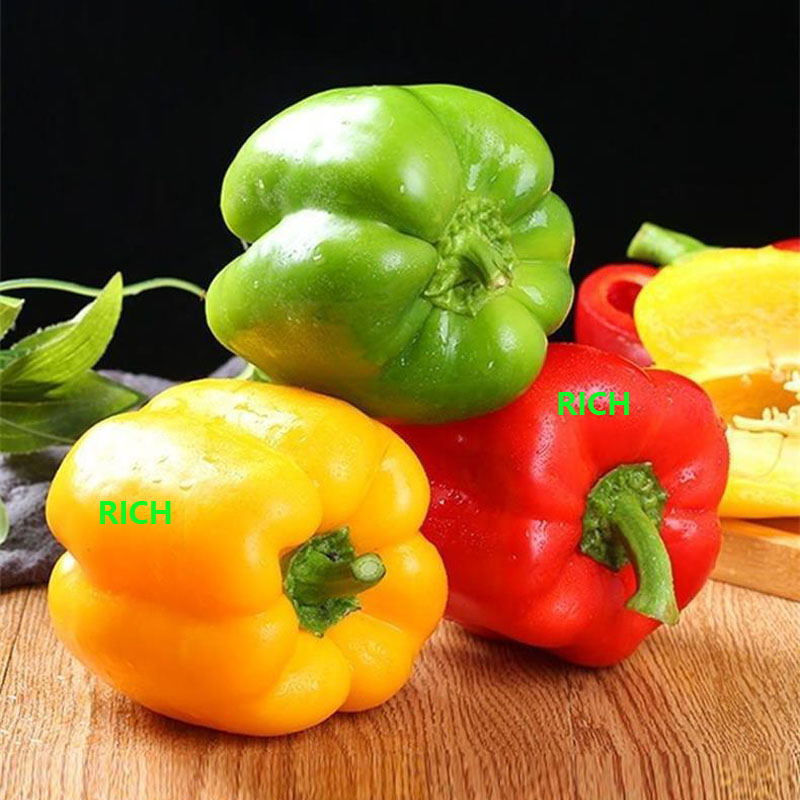
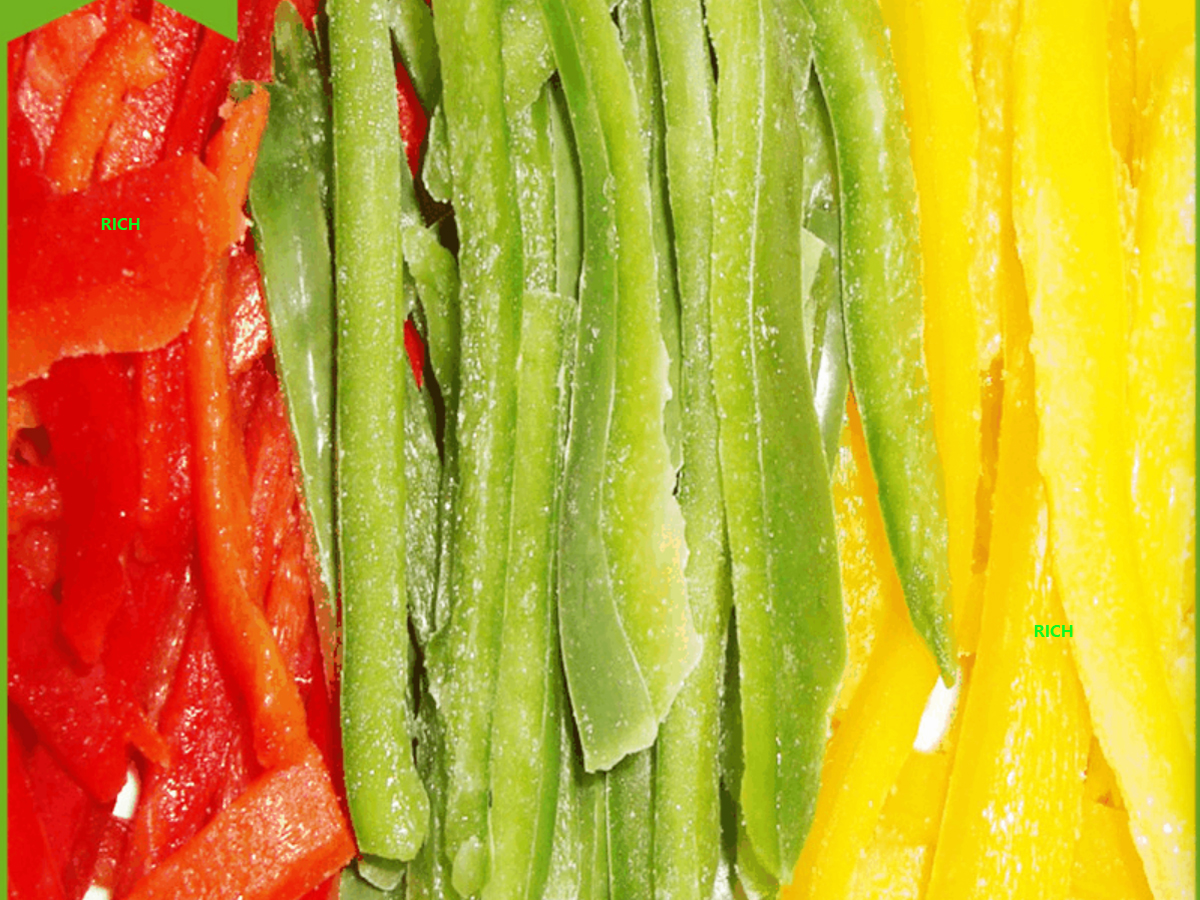
Frozen sweet peppers are produced from naturally mild, non-pungent pepper varieties, including sweet bell peppers and other sweet pepper cultivars. Unlike hot or spicy peppers, sweet peppers are characterized by low capsaicin content, crisp flesh, and a naturally sweet aroma. When frozen using modern freezing technology, sweet peppers retain their bright color, clean flavor, and functional texture, making them a reliable ingredient for both household and industrial use.
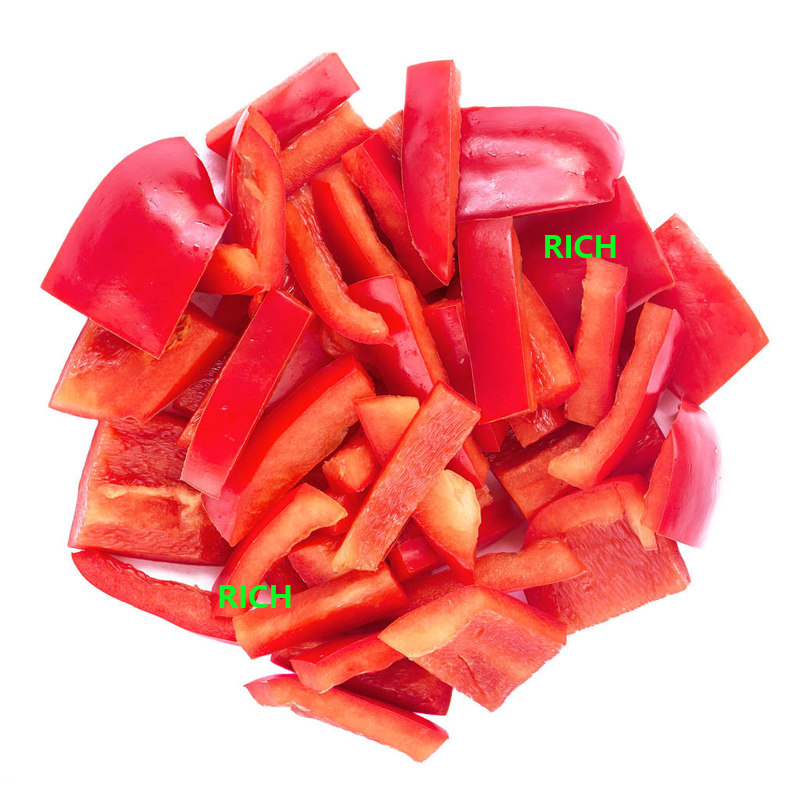
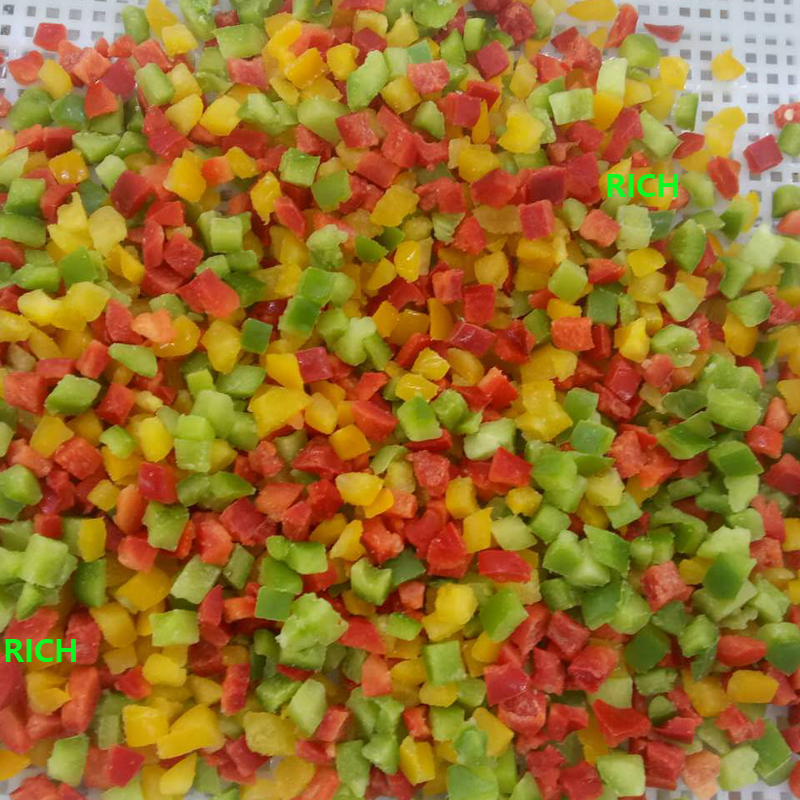
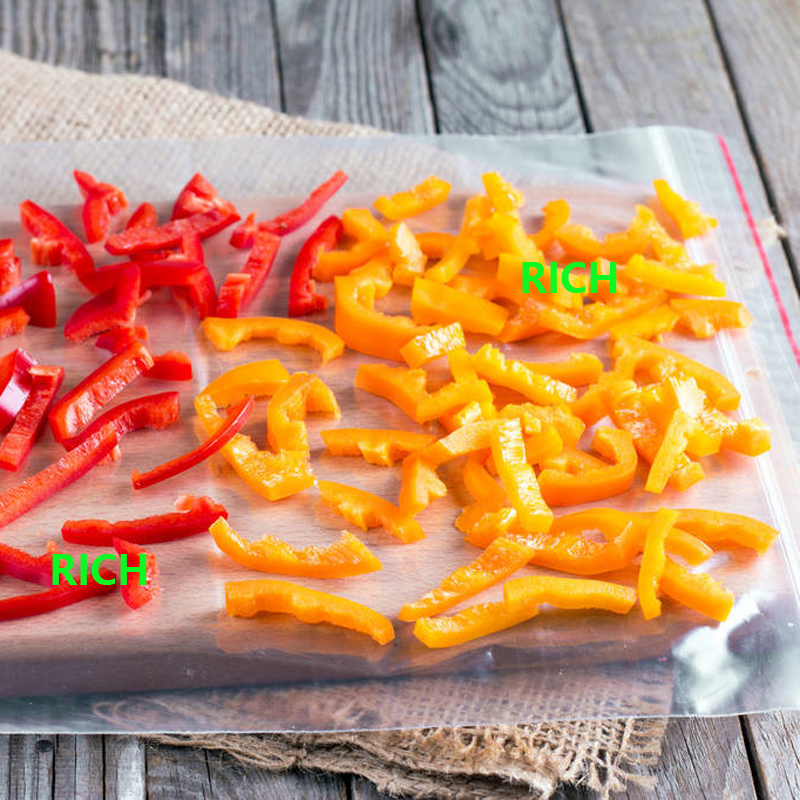
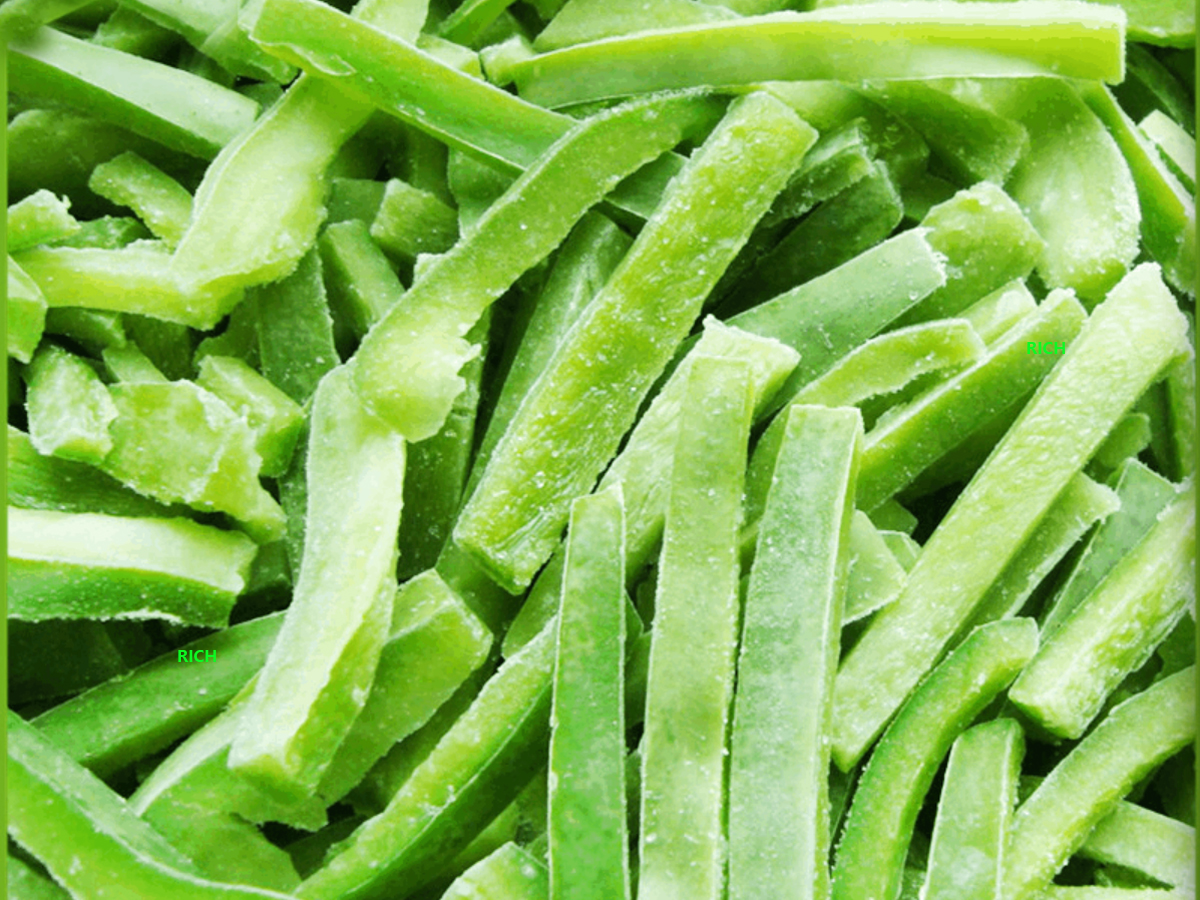
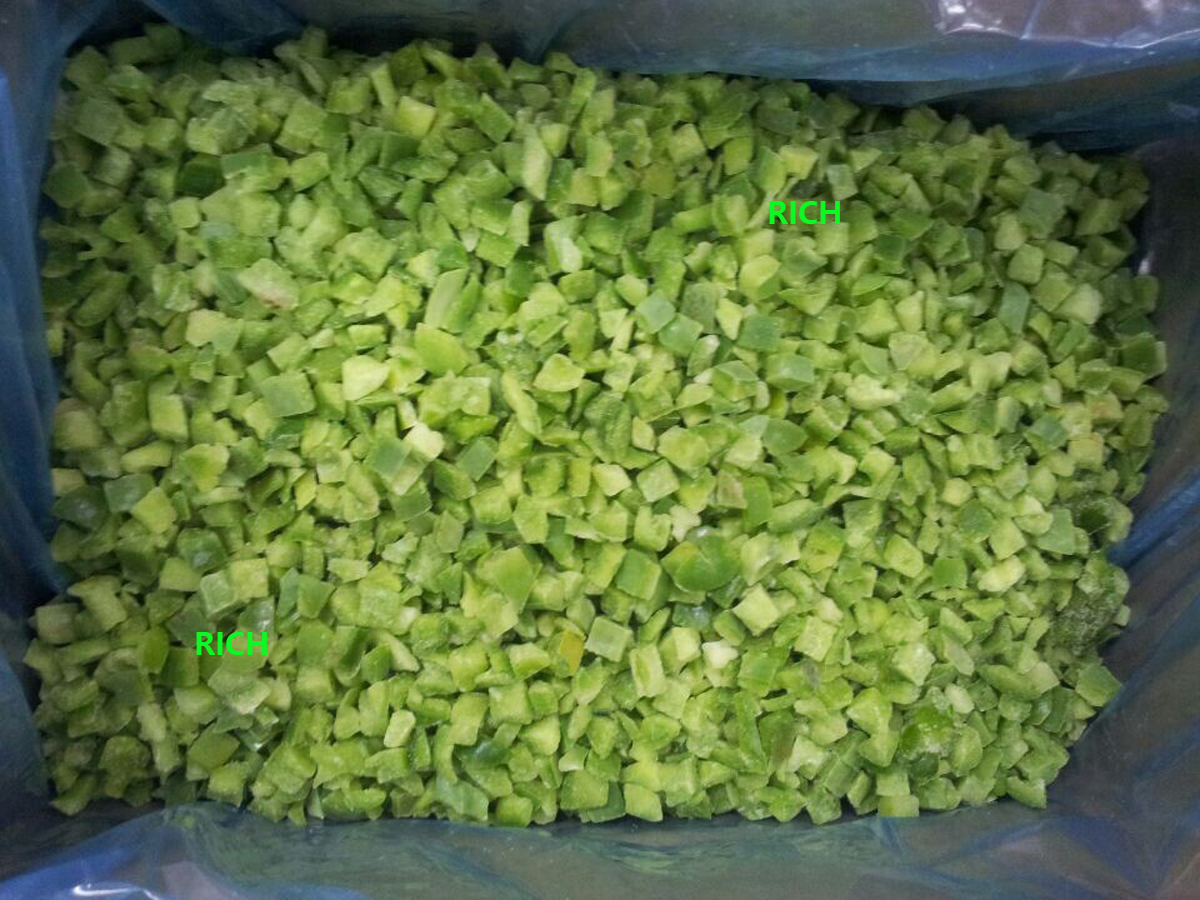
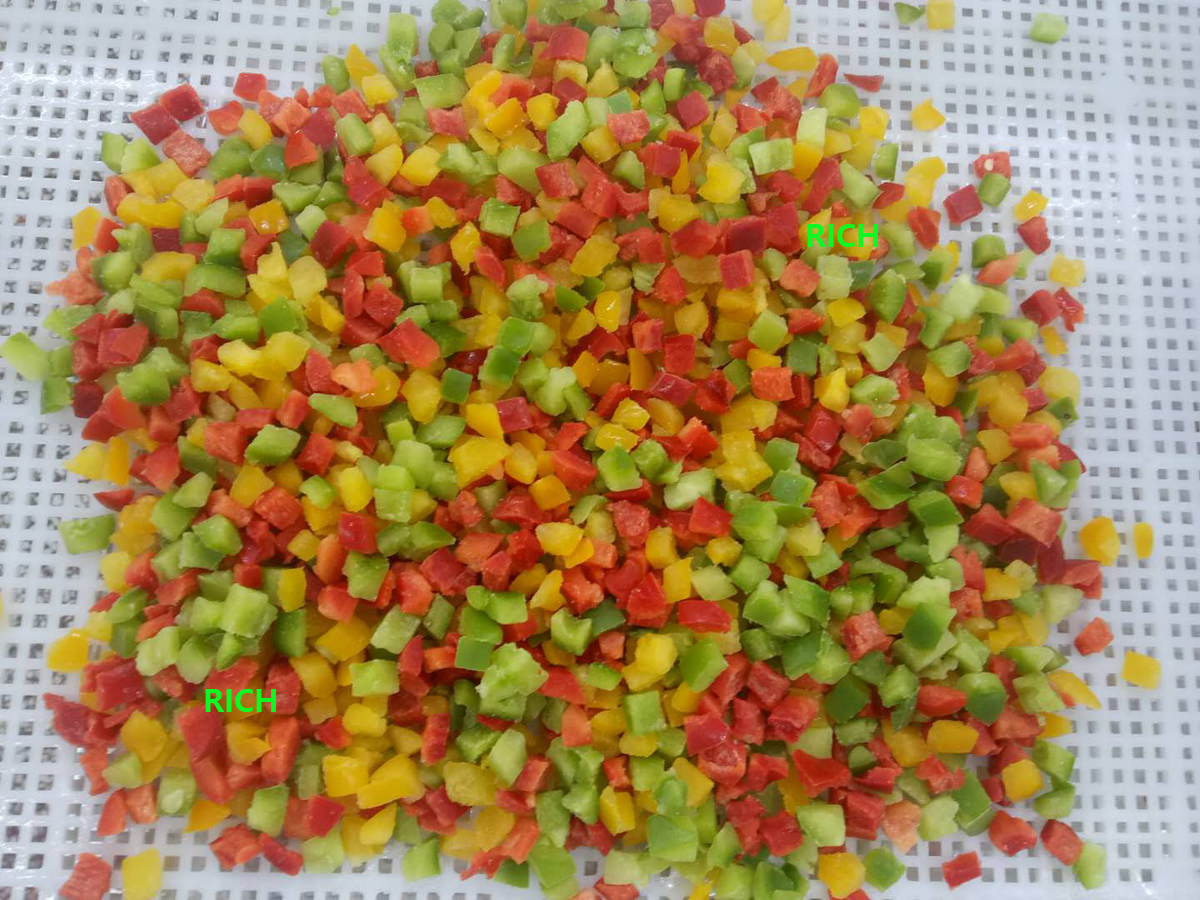
This product is available in various cuts—such as slices, strips, dices, and chunks—and may be supplied as single-color or multi-color assortments depending on customer requirements.
Agricultural & Harvest Considerations
Sweet peppers intended for freezing are typically harvested at full physiological maturity, when sugar levels and color development reach their peak. Careful timing of harvest is critical, as under-ripe peppers lack sweetness while over-ripe peppers may soften during processing.
After harvest, peppers are transported quickly to the processing facility to minimize moisture loss and enzymatic degradation. Strict raw material screening ensures only peppers with firm walls, intact skin, and uniform internal structure enter the freezing line.
Frozen sweet peppers are positioned as a reliable, clean-label vegetable ingredient offering sweetness, color, and convenience. They serve as a strategic solution for buyers seeking efficiency, stability, and consistent product quality in both retail and industrial food markets.
Processing Flow & Freezing Technology
The processing of frozen sweet peppers emphasizes minimal intervention to preserve the vegetable’s natural attributes:
-
Washing & Sorting – Removal of field debris and defective pieces.
-
Deseeding & Trimming – Stems, seeds, and inner ribs are fully removed to ensure clean flavor.
-
Precision Cutting – Consistent size improves cooking performance and visual appearance.
-
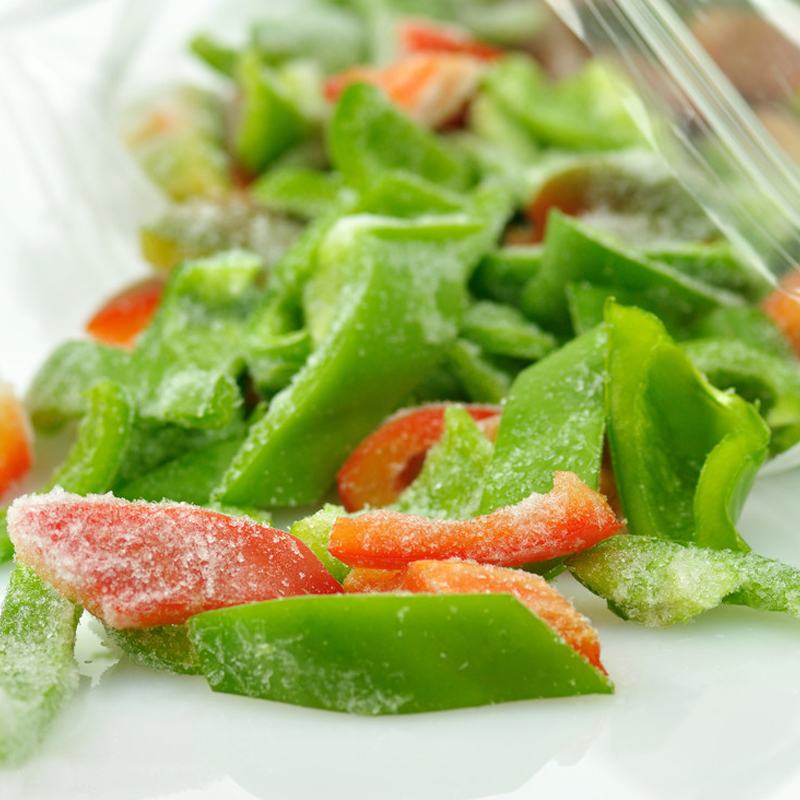
Quick Freezing – IQF or rapid tunnel freezing locks in moisture and color while preventing cell damage.
This approach results in free-flowing pepper pieces that separate easily after freezing and thaw evenly during cooking.
Sensory & Functional Properties
-
Flavor: Naturally sweet with no heat, suitable for children’s food and mild-flavor formulations.
-
Color Stability: Maintains vibrant red, yellow, or green hues through freezing and reheating.
-
Texture: Softens slightly during cooking while retaining shape; does not become mushy when handled correctly.
-
Aroma: Clean, fresh vegetable aroma without bitterness.
These properties make frozen sweet peppers versatile across a wide range of culinary and industrial uses.
Industrial & Commercial Advantages
1. Consistency Across Production Batches
Fresh sweet peppers vary widely in sweetness, size, and moisture depending on season and origin. Frozen sweet peppers provide standardized quality, allowing manufacturers to maintain consistent flavor and appearance in finished products.
2. Simplified Supply Chain
Frozen formats reduce dependency on seasonal harvests and minimize losses during long-distance transportation. This is especially valuable for export-oriented buyers and multinational food producers.
3. Labor & Cost Efficiency
Using frozen sweet peppers eliminates washing, trimming, and cutting operations at the user’s facility. Labor savings and reduced waste translate directly into cost control.
4. Recipe Flexibility
Frozen sweet peppers can be easily incorporated into existing recipes without significant reformulation, making them ideal for product line extensions or seasonal menu changes.
Application Areas
Ready-to-Eat & Ready-to-Cook Foods
Frozen sweet peppers are widely used in frozen meals, chilled dishes, and heat-and-serve products. Their mild taste complements grains, pasta, legumes, and proteins without overpowering other ingredients.
Sauce, Soup & Base Production
Sweet peppers contribute natural sweetness and body to vegetable sauces, soups, and puree bases. They are often blended with tomato, onion, or carrot to build flavor depth without added sugar.
Meat, Poultry & Seafood Dishes
In marinated meats, stews, and mixed protein dishes, sweet peppers add color and moisture while balancing savory flavors. They perform well in both frozen and chilled finished products.
Bakery & Savory Applications
Used in savory breads, filled pastries, and vegetable toppings, frozen sweet peppers retain structure during baking and provide visual appeal.
Institutional & Catering Use
Schools, hospitals, and corporate catering services favor frozen sweet peppers for their predictable quality, mild flavor profile, and ease of handling.
Packaging Formats
Frozen sweet peppers are typically supplied in:
-
Consumer Packs: 300 g to 1 kg bags
-
Foodservice Packs: 2.5 kg or 5 kg bags
-
Industrial Bulk: 10–20 kg cartons
Custom packaging, cut size, and color ratios can be arranged to meet specific customer needs.
Quality Assurance & Compliance
Producers of frozen sweet peppers operate under internationally recognized food safety systems such as HACCP, ISO, BRC, or equivalent. Quality controls include foreign matter detection, microbiological testing, and full traceability from farm to finished product.
Storage & Handling
-
Recommended Storage: –18°C or lower
-
Typical Shelf Life: 18–24 months
-
Usage Tip: Add directly from frozen for best texture and color retention.
FAQ – Frozen Sweet Peppers
1.What cuts and formats are available?
Frozen sweet peppers are commonly supplied in:
-
Slices
-
Strips
-
Dices
-
Chunks
Custom cut sizes can be produced according to customer specifications for specific applications such as pizza toppings, ready meals, or sauces.
2. Are the peppers IQF or block frozen?
Frozen sweet peppers are typically produced using IQF (Individually Quick Frozen) technology, which keeps the pieces free-flowing and easy to portion. Block freezing is also possible for industrial buyers using the peppers as a further-processing ingredient.
3. What color options are offered?
Available color options include:
-
Red sweet pepper
-
Yellow sweet pepper
-
Green sweet pepper
-
Mixed colors (custom ratios available)
Color ratios can be adjusted to meet product appearance requirements.
4. Do frozen sweet peppers contain additives or preservatives?
No. Frozen sweet peppers are normally produced without additives, preservatives, or artificial colorings. Freezing itself acts as the preservation method, making the product suitable for clean-label formulations.
5. How does freezing affect flavor and texture?
Rapid freezing helps retain the natural sweetness and aroma of fresh peppers. After cooking, the peppers soften slightly but maintain their shape and color. When used correctly, they do not become mushy or watery.
6. Can frozen sweet peppers be used directly from frozen?
Yes. Frozen sweet peppers can be added directly to hot pans, ovens, or processing lines without thawing. This helps maintain texture and reduces moisture loss.
7. How do frozen sweet peppers compare to fresh peppers in industrial use?
Frozen sweet peppers offer consistent quality, year-round availability, reduced labor, and minimal waste. Unlike fresh peppers, they are not affected by seasonal shortages or price fluctuations.
8. What is the recommended cooking method?
Frozen sweet peppers perform best when cooked quickly over medium to high heat or baked directly from frozen. Overcooking should be avoided to preserve color and texture.
9. Are frozen sweet peppers suitable for children’s food?
Yes. Due to their mild taste, natural sweetness, and absence of spiciness, frozen sweet peppers are commonly used in children’s meals and family-oriented products.