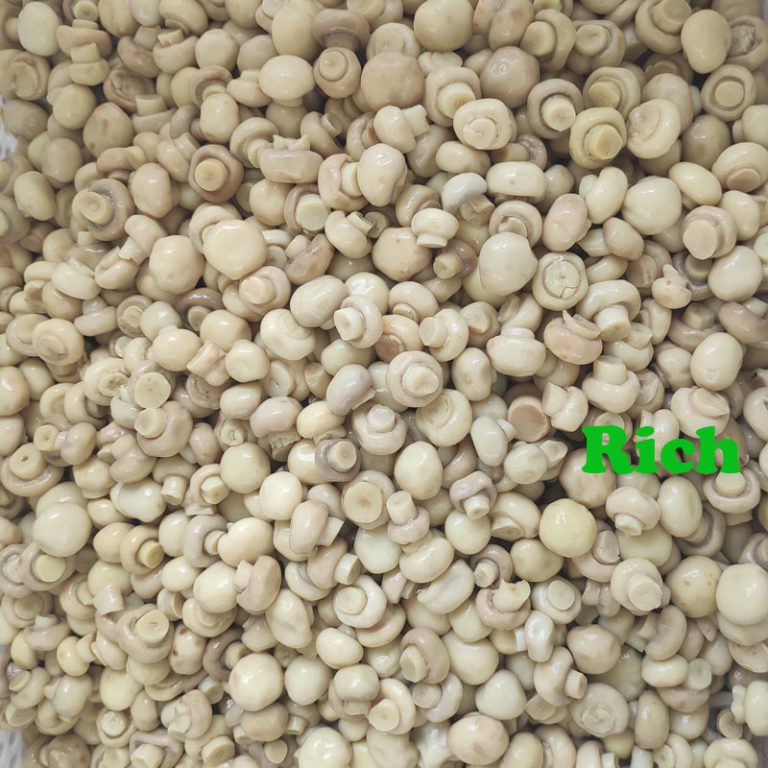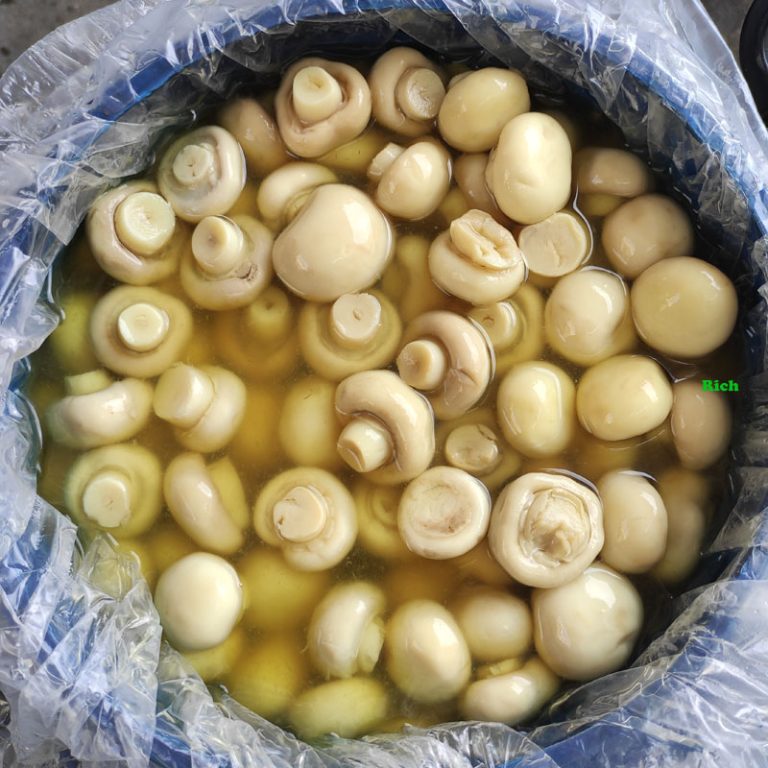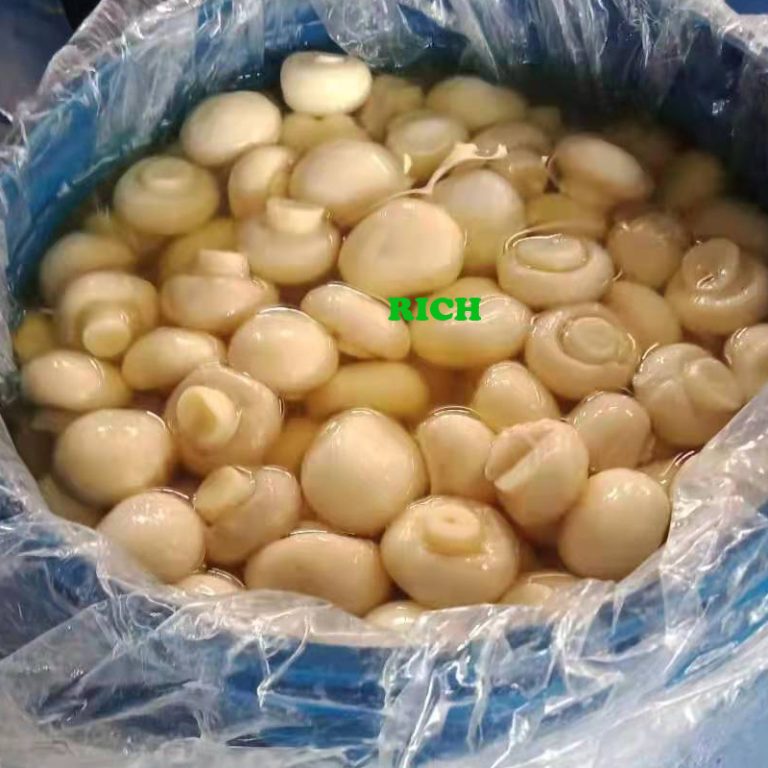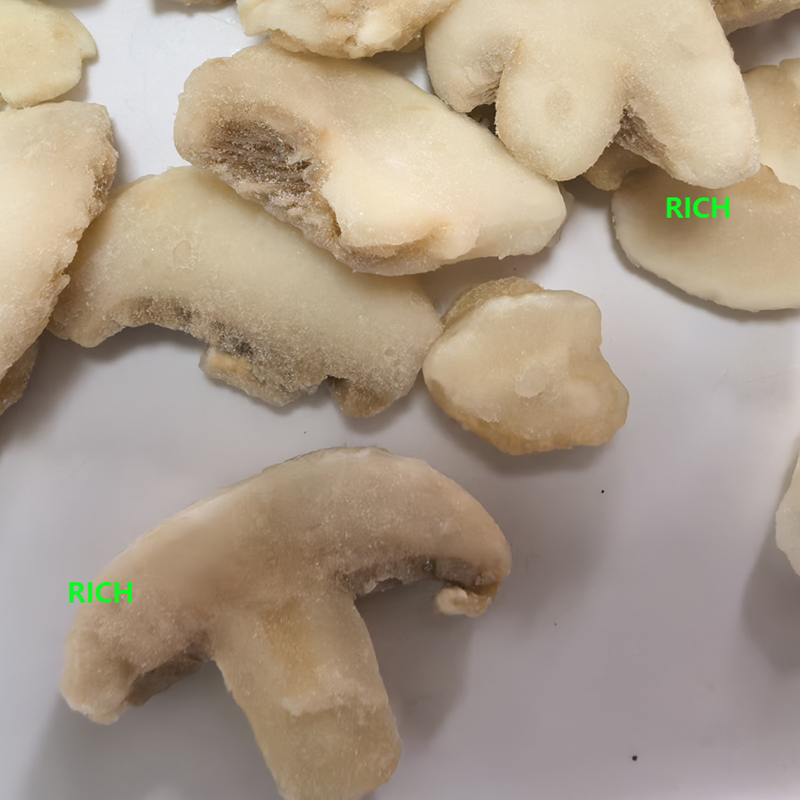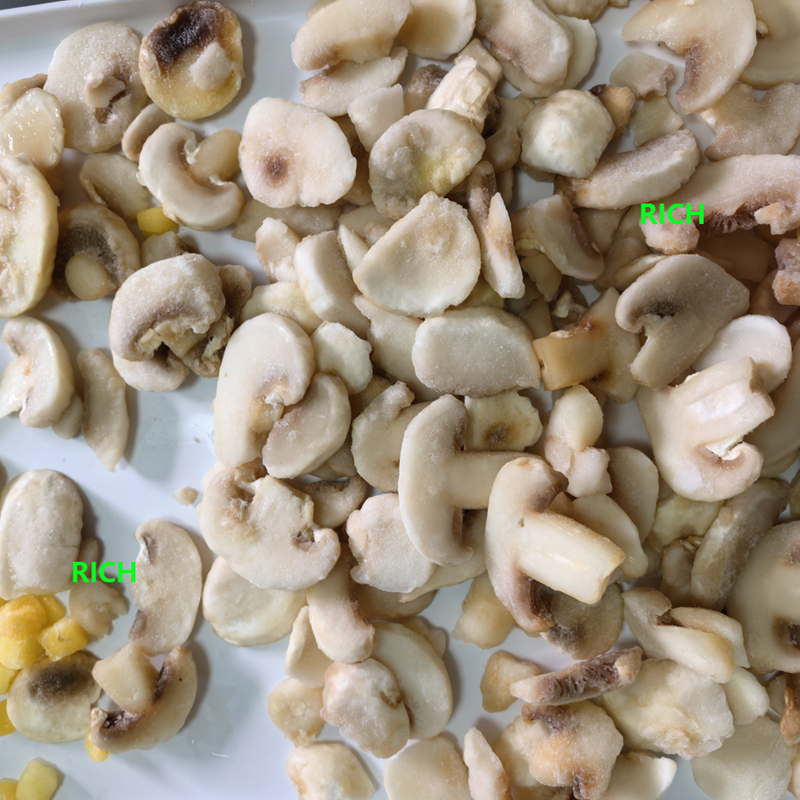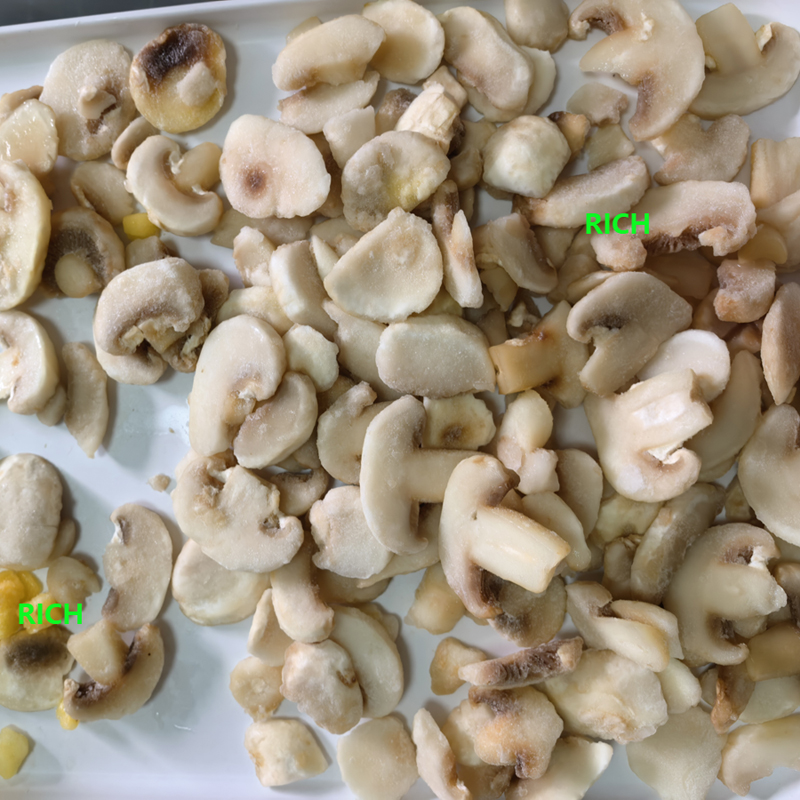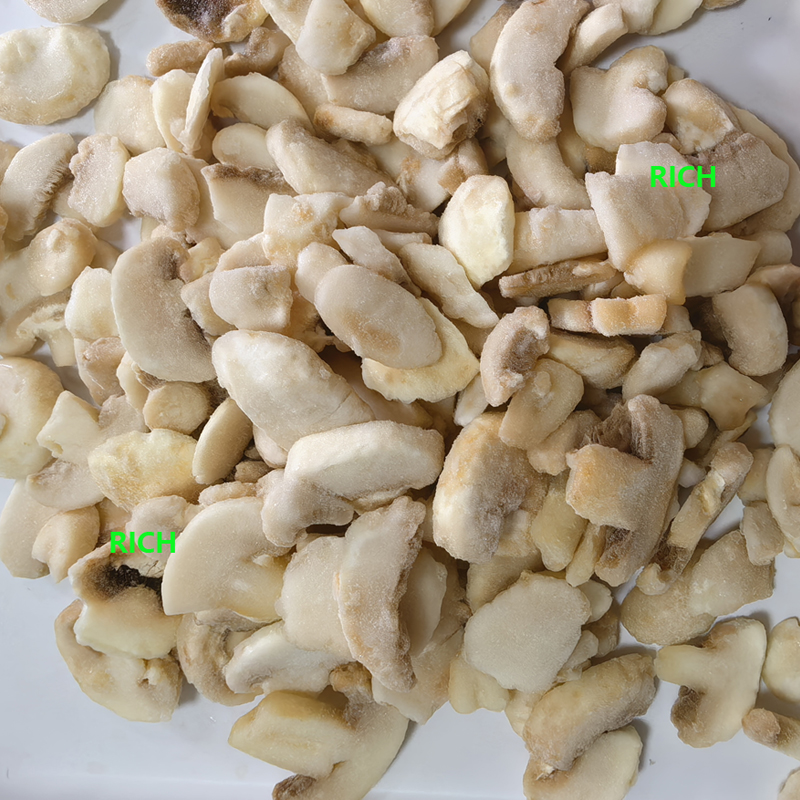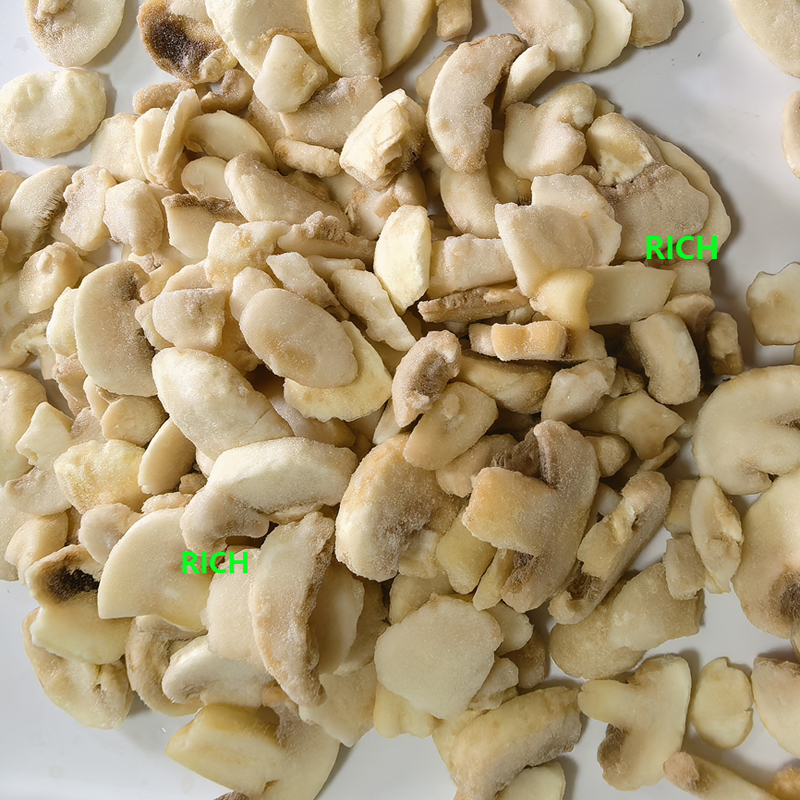
Frozen Sliced White Mushroom
Product Introduction
Frozen Sliced White Mushroom is produced from carefully selected fresh white button mushrooms (Agaricus bisporus), harvested at peak maturity and processed under strict hygienic conditions. The mushrooms are cleaned, trimmed, precision-sliced, and rapidly frozen to preserve their natural structure, flavor, and nutritional value.
Frozen sliced white mushroom is designed to deliver consistent quality, convenience, and extended shelf life for global food manufacturers, distributors, and catering businesses.
White mushrooms are known for their mild flavor profile and smooth texture, making them one of the most versatile vegetables in the global culinary industry. By slicing and freezing immediately after processing, the product maintains freshness while reducing labor requirements for end users.
Raw Material Selection
The quality of frozen sliced white mushrooms begins with strict raw material control. Only fresh, firm, and well-shaped white mushrooms are accepted for processing. The mushrooms must be free from decay, excessive bruising, insect damage, or discoloration.
Harvest timing is critical. Mushrooms are picked before caps fully open to ensure dense flesh and stable texture during slicing and freezing. After harvest, the mushrooms are transported quickly to the processing facility to minimize moisture loss and enzymatic changes.
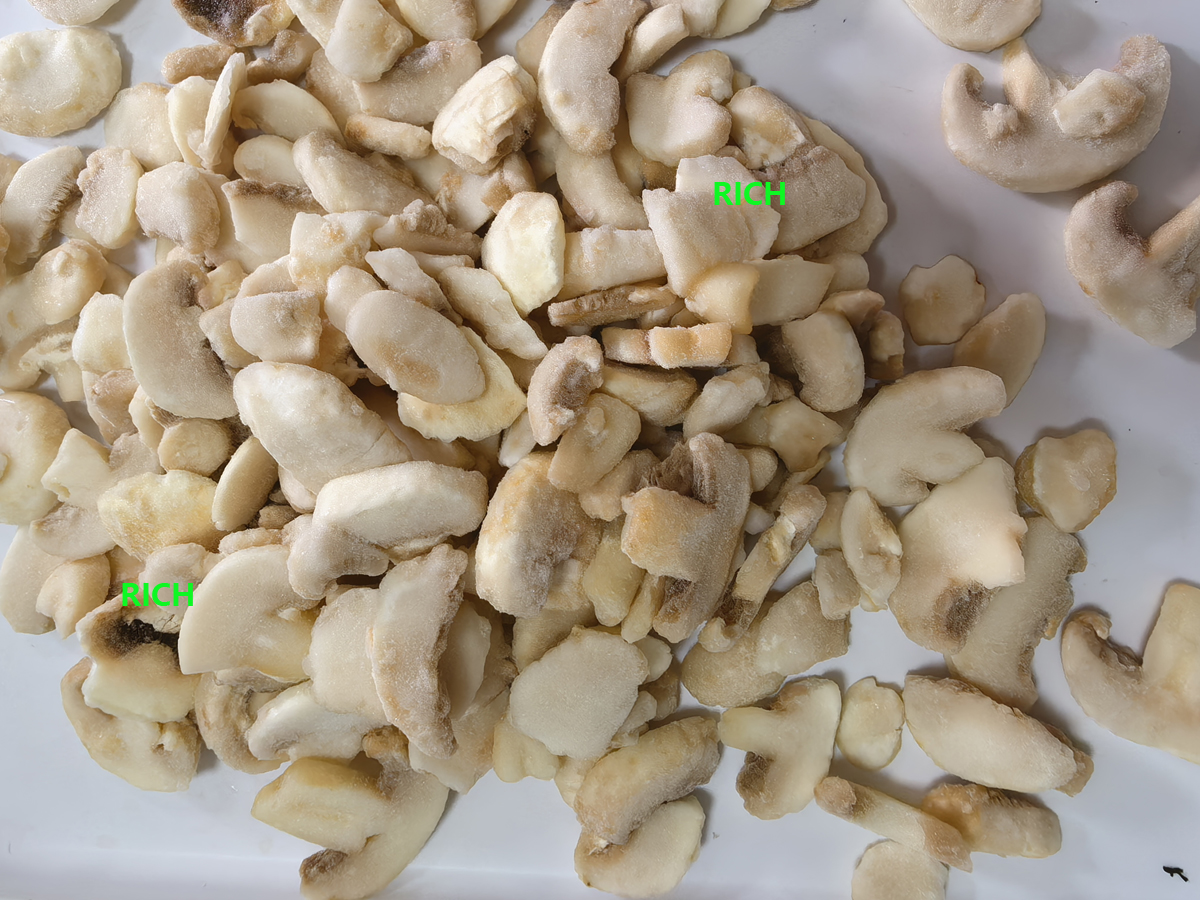
Processing Flow
The manufacturing process follows international food safety standards and includes the following steps:
-
Incoming raw material inspection
-
Dry and wet cleaning to remove soil and residues
-
Stem trimming if required
-
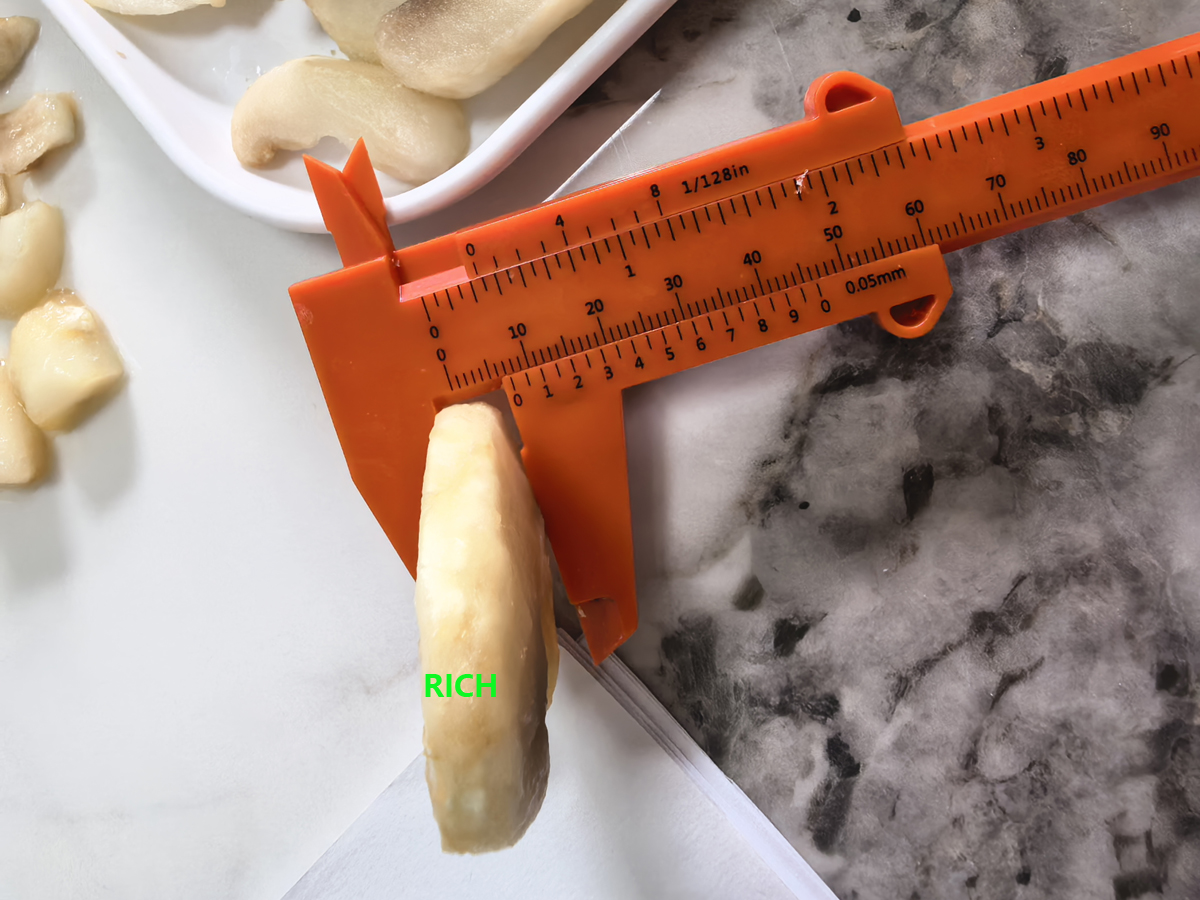
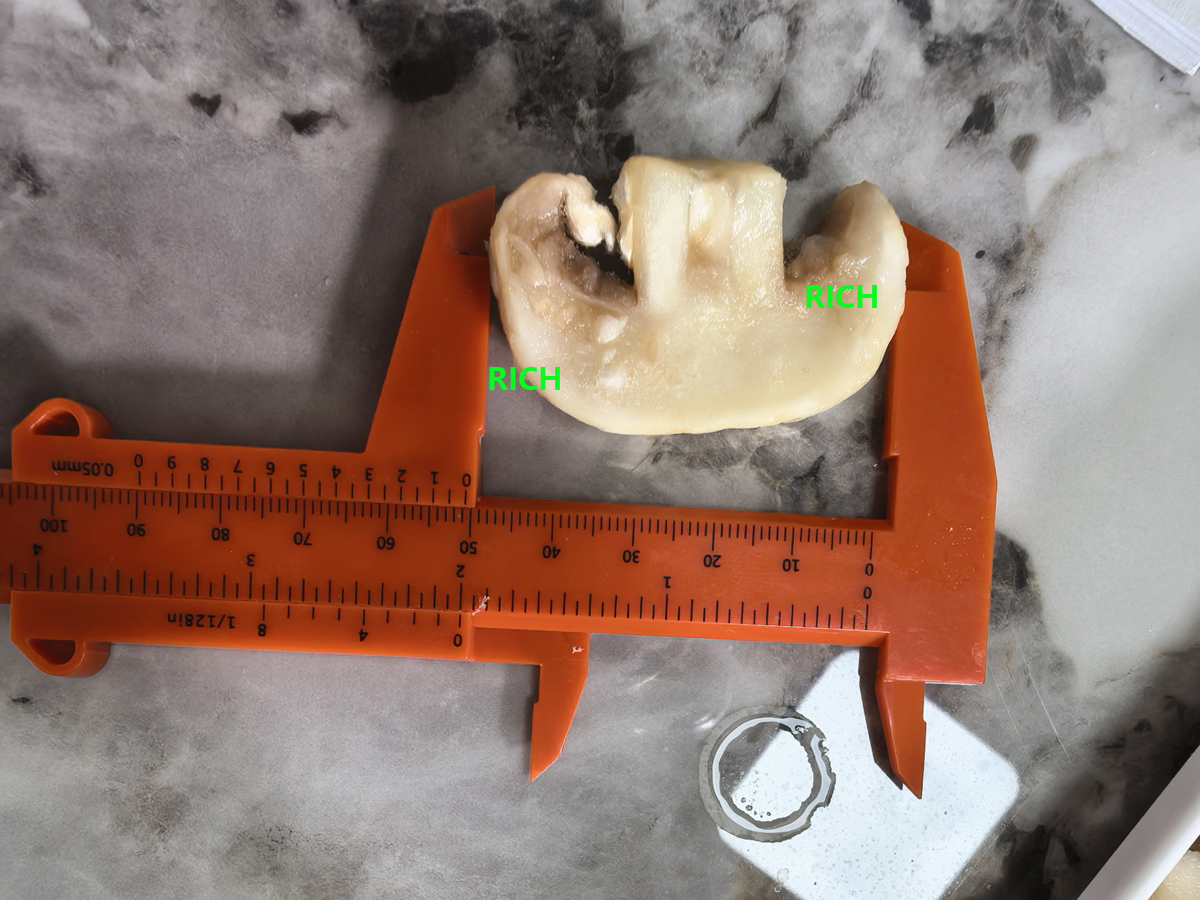
Uniform slicing (standard thickness 4–5 mm, adjustable)
-
Controlled blanching to stabilize color and deactivate enzymes
-
Rapid cooling
-
IQF freezing or block freezing
-
Metal detection
-
Final inspection and packaging
Rapid freezing technology ensures minimal ice crystal formation, which helps maintain the mushroom’s cellular integrity. As a result, the slices retain their natural shape and texture after thawing and cooking.
Product Characteristics
Frozen sliced white mushrooms offer several important characteristics:
-
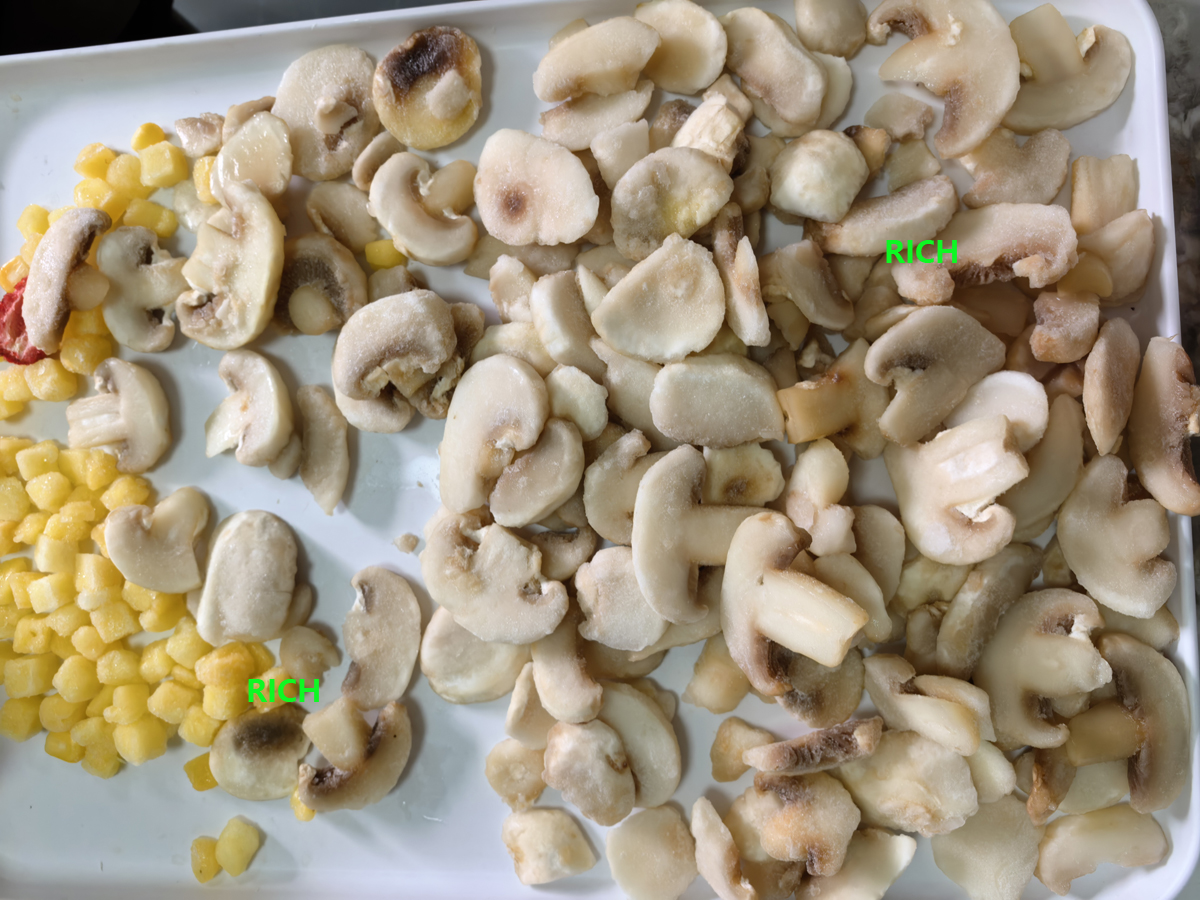
Natural creamy white to light beige color
-
Clean mushroom aroma
-
Mild, slightly earthy flavor
-
Uniform slice thickness for even cooking
-
Tender yet resilient texture after heating
-
Free-flowing structure in IQF format
Frozen sliced white mushroom is free from added preservatives and artificial coloring agents. It contains no added salt unless specifically requested by the buyer.
Nutritional Benefits
White mushrooms are naturally low in calories and fat, making them suitable for healthy meal planning. They provide dietary fiber, plant-based protein, B vitamins, and important minerals such as selenium and potassium.
Because freezing is a preservation method that does not require chemical additives, most of the original nutritional value remains intact. This makes frozen sliced white mushrooms ideal for clean-label and health-conscious product lines.
Industrial and Culinary Applications
Frozen sliced white mushroom are widely used across different sectors of the food industry:
1. Ready Meal Manufacturing
Used in frozen pasta dishes, rice bowls, casseroles, and microwaveable meals. The uniform slicing ensures even heat distribution during cooking and reheating.
2. Pizza and Bakery Toppings
White mushroom slices are a classic pizza ingredient. Their consistent size prevents excessive moisture release and helps maintain product appearance after baking.
3. Soup and Sauce Production
The mild flavor blends well with cream-based soups, broths, and gravies without overpowering other ingredients.
4. Catering and Foodservice
Restaurants and hotels benefit from reduced preparation time and minimal waste compared to fresh mushrooms.
5. Vegetarian and Plant-Based Foods
Mushrooms are frequently used as a meat extender or alternative due to their umami characteristics and satisfying texture.
Packaging Options
Frozen sliced white mushroom can be packed in various formats depending on market requirements:
-
1 kg / 2.5 kg / 10 kg bulk bags
-
Cartons with inner polybags
-
Retail-ready printed packaging
-
Private label solutions
All packaging materials for the Frozen sliced white mushroom are food-grade and suitable for frozen storage.
Storage and Handling
The product must be stored at –18°C or below. Under stable frozen conditions, shelf life is typically 18–24 months from production date.
During transportation, refrigerated containers should maintain consistent temperature control to prevent thawing and refreezing, which may affect texture and appearance.
Once thawed, the product should not be refrozen and should be used promptly.
Advantages Compared to Fresh Mushrooms
-
Longer shelf life
-
Reduced spoilage loss
-
No washing or slicing required
-
Consistent supply regardless of season
-
Easier inventory control
-
Stable pricing compared to fresh market fluctuations
These advantages make frozen sliced white mushrooms an efficient and economical ingredient for large-scale operations.
Quality Assurance
Frozen sliced white mushroom is carried out under HACCP-based food safety systems with strict monitoring of microbiological and physical parameters. Each batch undergoes inspection before shipment to ensure compliance with customer specifications and importing country regulations.
Traceability systems allow full tracking from farm source to final packed product.
Technical Specifications (Reference Standard)
Frozen Sliced White Mushroom is produced under HACCP-based food safety management. To support consistent performance in industrial cooking and frozen storage, key technical parameters are controlled and can be aligned with buyer specifications and destination market requirements.
| Item | Typical Standard / Options |
|---|---|
| Product Form | Sliced white button mushroom (Agaricus bisporus) |
| Slice Thickness | 4–5 mm standard (customisable upon request) |
| Freezing Type | IQF or block frozen (as required) |
| Additives | No added preservatives; no artificial colourings (salt optional upon request) |
| Microbiological Control | Tested to meet importing-country regulations and customer specifications (COA available upon request) |
| Metal Detection | In-line metal detection applied; sensitivity can be set based on product format and buyer requirement |
Food Safety Testing & Documentation
Routine verification may include microbiological monitoring (such as Total Plate Count, Yeast & Mold, Coliform/E. coli, and pathogen screening where required) alongside physical controls including foreign matter inspection and metal detection validation. Testing frequency is defined by batch plan and customer requirements.
For export shipments, supporting documents can be prepared according to destination market and buyer needs, such as batch COA, packing list, commercial invoice, and traceability records. Third-party laboratory testing can be arranged when buyers require extended pesticide residue or heavy metal panels.
Residue & Heavy Metal Monitoring
Raw materials are sourced through controlled supply channels where farm management and handling practices are monitored to reduce quality and compliance risks. Periodic residue monitoring may be conducted to help align with target market limits. Heavy metal parameters (such as lead, cadmium, and arsenic) can be evaluated based on importing-country requirements.
Optional Quality Control Services for Global Buyers
To support different market entry standards and brand requirements, additional quality control services can be arranged upon request, including third-party inspection, pre-shipment sampling, extended residue analysis, and customised specification alignment for food manufacturers, distributors, and private-label projects.
Quality Assurance
Frequently Asked Questions (FAQ)
1. Are frozen sliced white mushrooms as nutritious as fresh mushrooms?
Freezing is a preservation method that does not require chemical additives. Because the mushrooms are processed and frozen shortly after harvest, most of their natural nutrients such as dietary fiber, B vitamins, and minerals like selenium and potassium are retained. In many industrial applications, frozen mushrooms provide nutritional value comparable to fresh mushrooms.
2. Do frozen sliced mushrooms need to be thawed before cooking?
In most industrial and foodservice applications, frozen sliced white mushrooms can be cooked directly without thawing. For soups, sauces, ready meals, and pizza toppings, direct use helps maintain texture and reduces excess moisture release during processing.
3. What is the difference between IQF and block frozen mushrooms?
IQF (Individually Quick Frozen) mushrooms remain free-flowing and allow flexible portion control, which is ideal for catering and retail use. Block frozen mushrooms are compact and typically used by large-scale food manufacturers where bulk processing is required. Both formats maintain product quality when stored at –18°C or below.
4. How long can frozen sliced white mushrooms be stored?
When stored at –18°C or below under stable frozen conditions, the typical shelf life is 18–24 months from the production date. Temperature stability during transportation is essential to prevent thawing and refreezing, which may affect texture.
5. Are preservatives added to frozen sliced white mushrooms?
No artificial preservatives or coloring agents are added during production. The preservation method relies on blanching and rapid freezing technology to stabilize color and texture naturally. Salt can be added only if specifically requested by the buyer.
6. Are frozen sliced mushrooms suitable for pizza and ready meals?
Yes. Uniform slicing (typically 4–5 mm) ensures even cooking and consistent appearance after baking or reheating. Frozen sliced white mushrooms are widely used in pizza toppings, pasta dishes, microwave meals, casseroles, soups, and sauces.
7. Can frozen sliced white mushrooms be used in vegetarian or plant-based products?
Yes. White mushrooms have a mild umami profile and tender yet resilient texture, making them suitable as a meat extender or plant-based ingredient in vegetarian and flexitarian product formulations.
8. What quality control measures are applied during production?
Production follows HACCP-based management systems. Control steps include raw material inspection, blanching temperature monitoring, rapid cooling, metal detection, microbiological verification, and final inspection before shipment. Additional third-party testing can be arranged according to buyer requirements.