
PRODUCTS
-

Diced frozen pineapples 10*10mm
-

Frozen Asparagus
-

Pickled garlic cloves in brine in drums
-

2025 new crop white mushroom in SO2
-
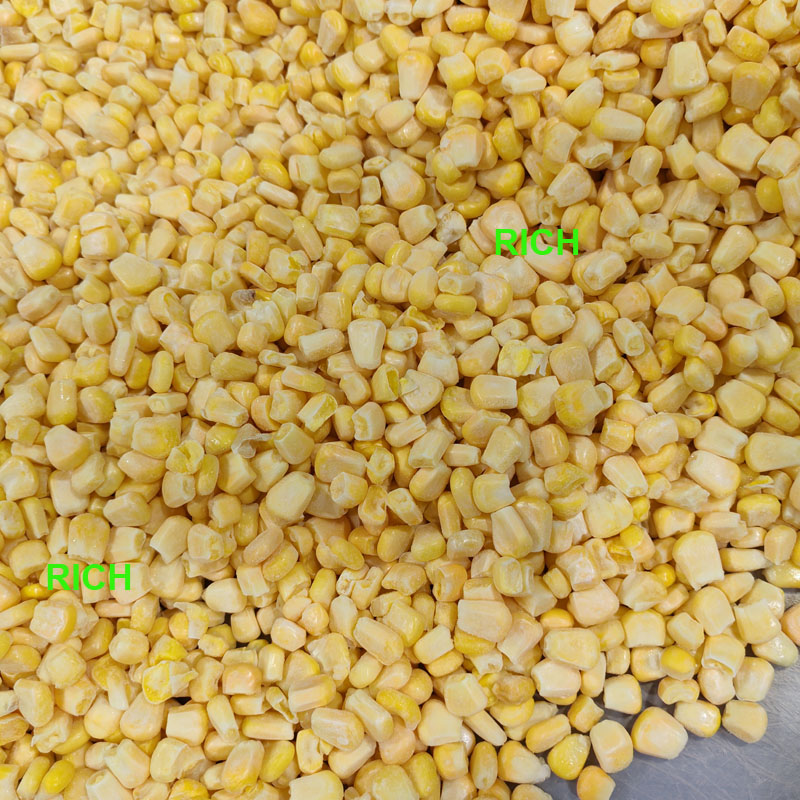
Frozen sweet corn
-
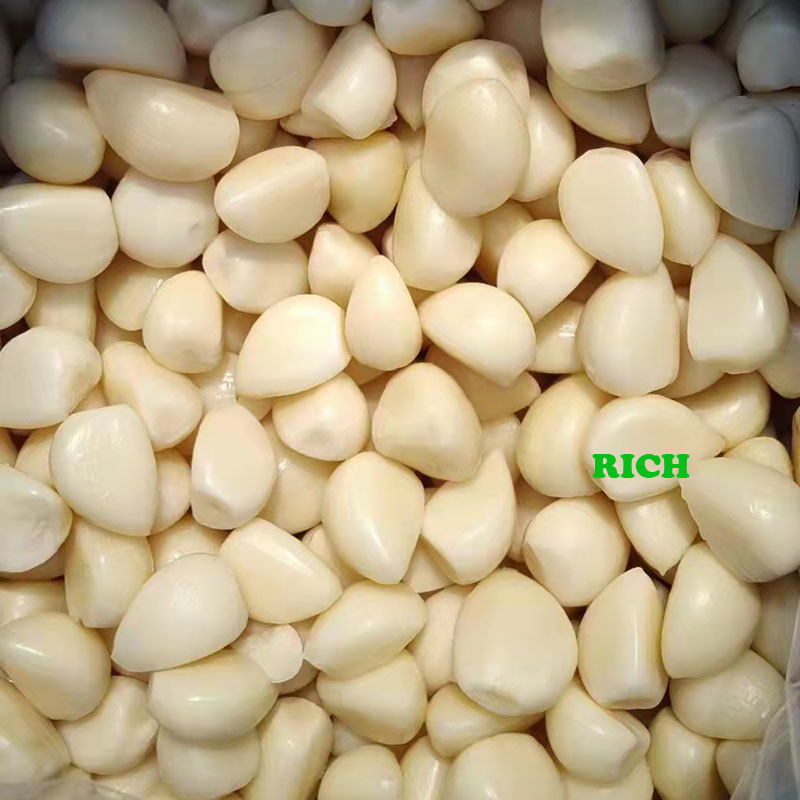
Normal white garlic in salted water in drums
-
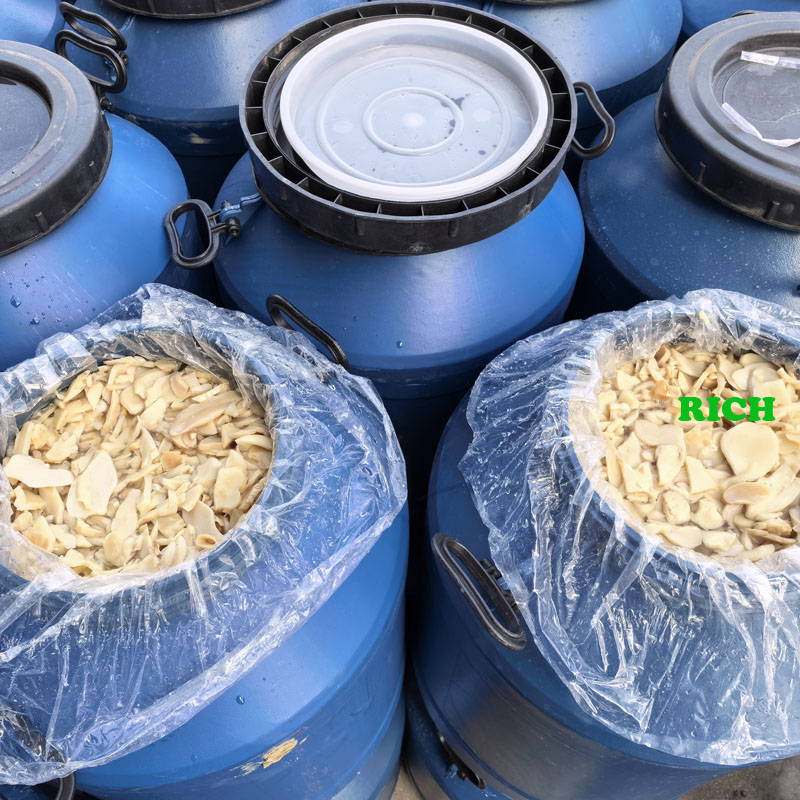
King oyster mushroom in brine in drums
-
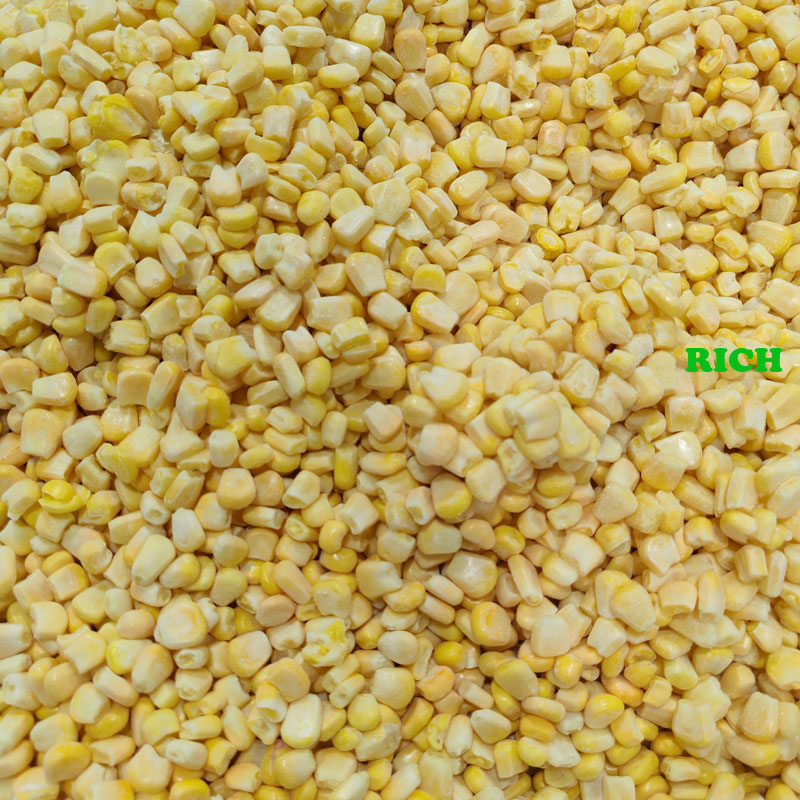
2025 Frozen sweet corn
-
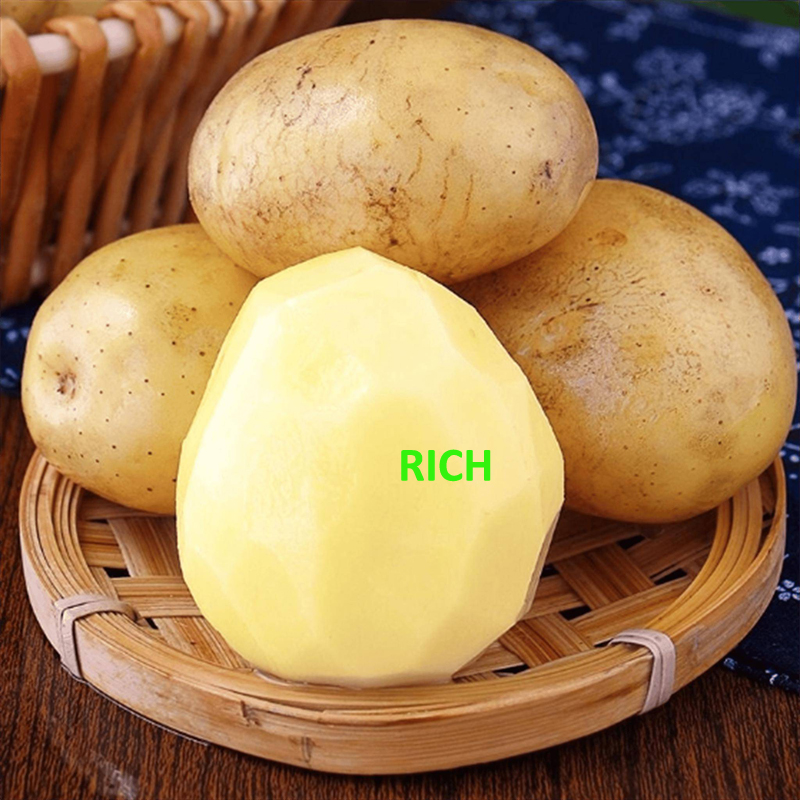
Frozen French Fries
-
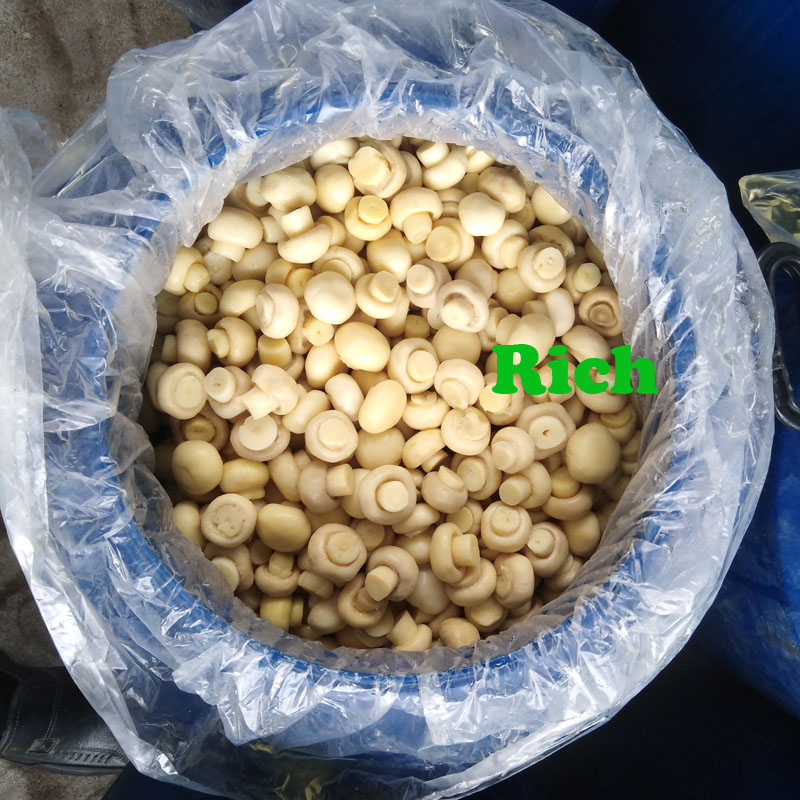
Preserved mushroom in SO2 43kgs/drum
-
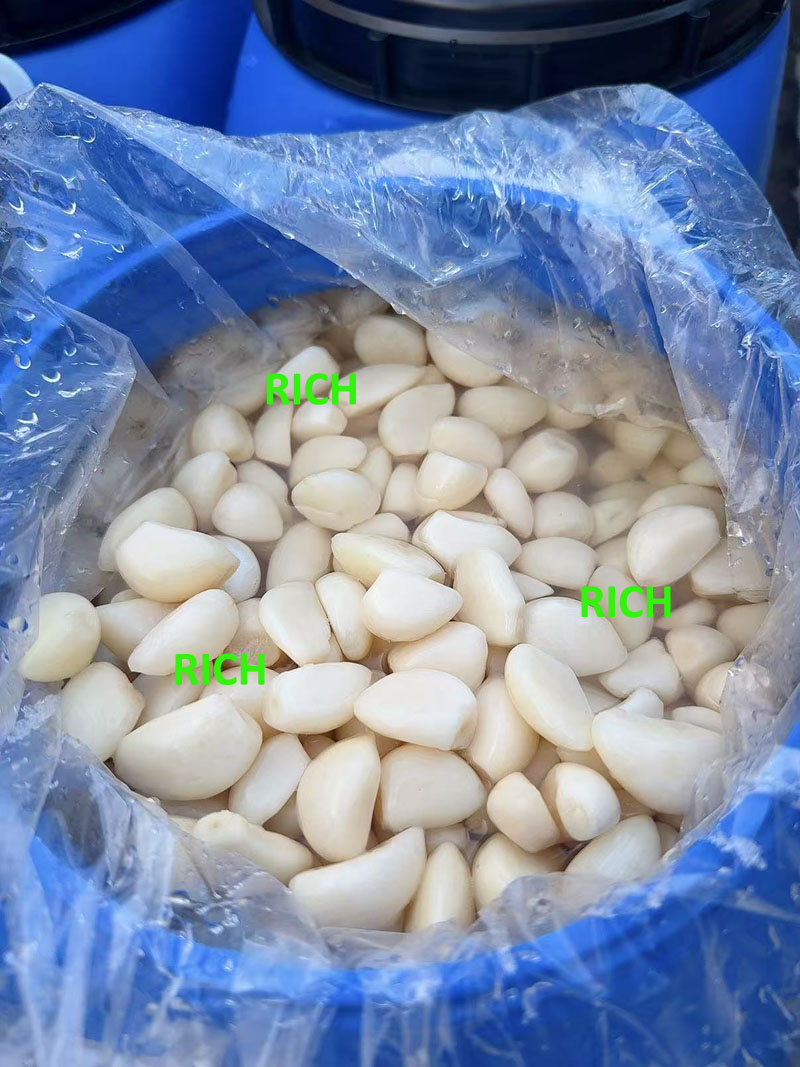
Peeled normal white garlic cloves in brine
-
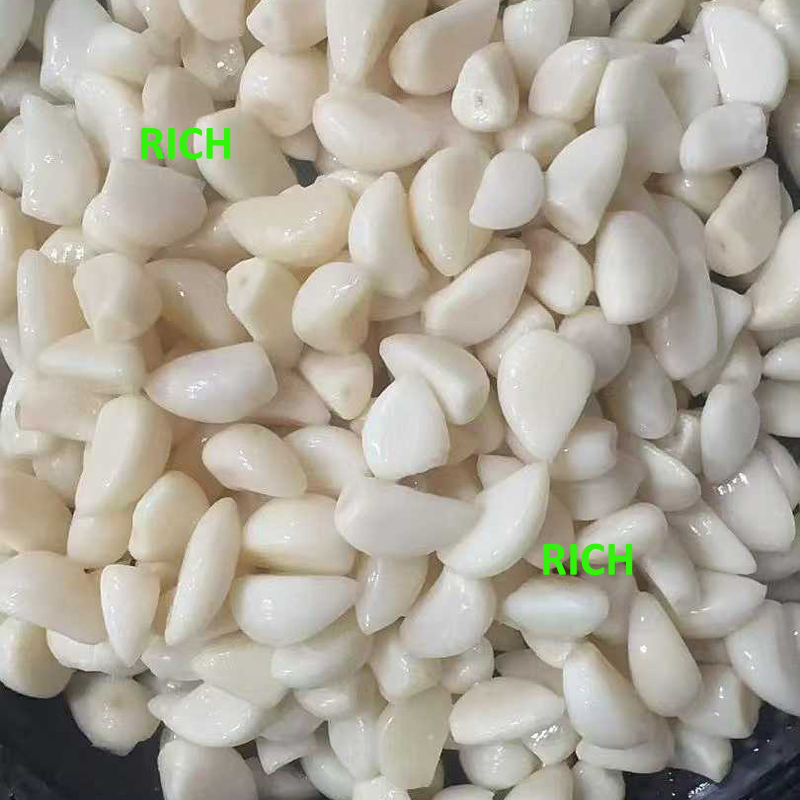
Preserved white garlic cloves in brine in drums
-
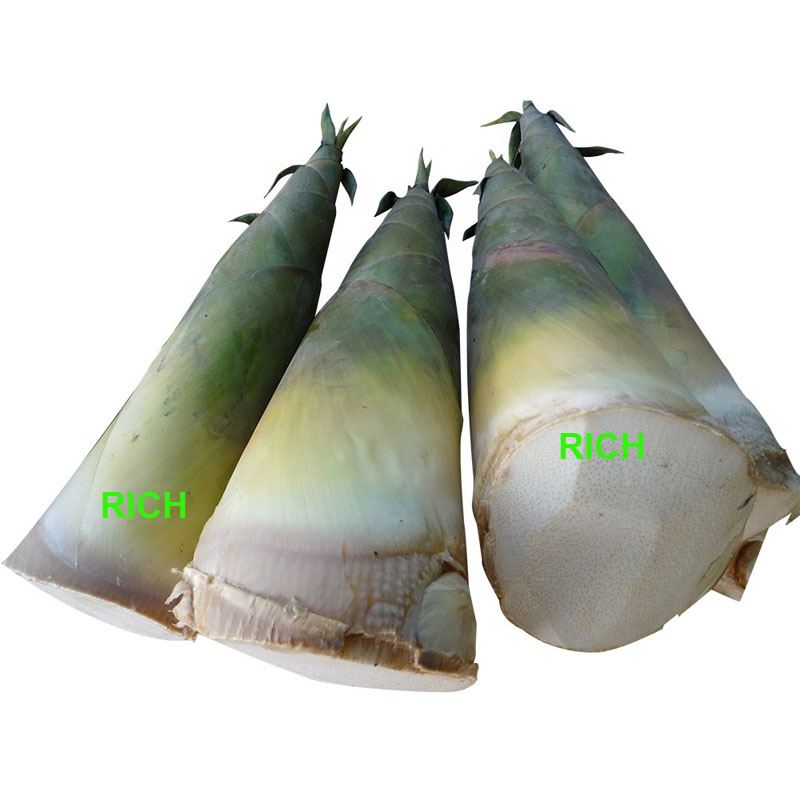
IQF Frozen Bamboo Shoot Strip Sliced
-
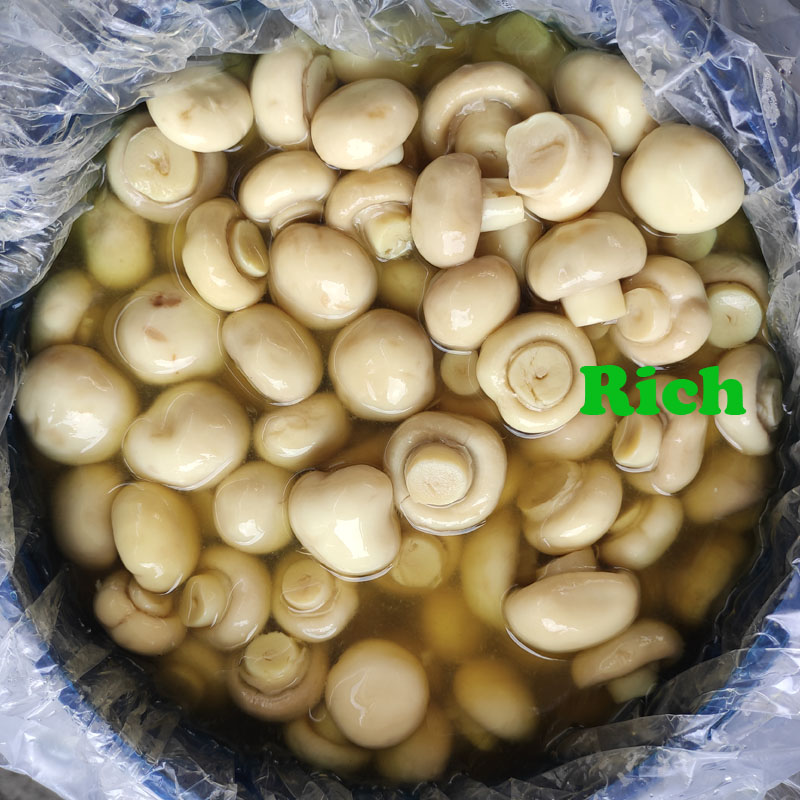
White Mushroom Agaricus in Conserve
-
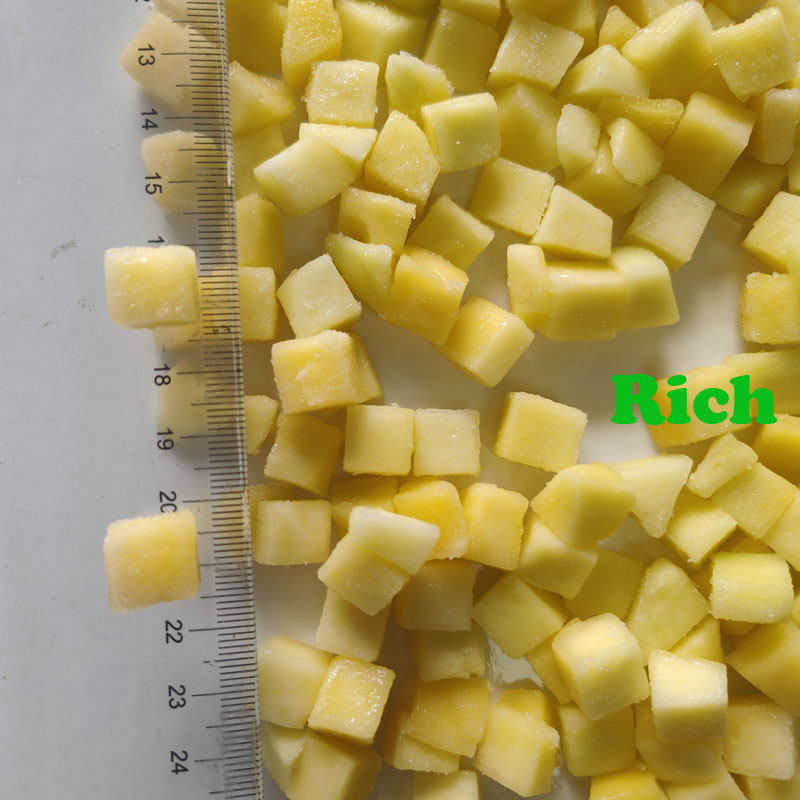
High Quality Frozen Mango Dices
-
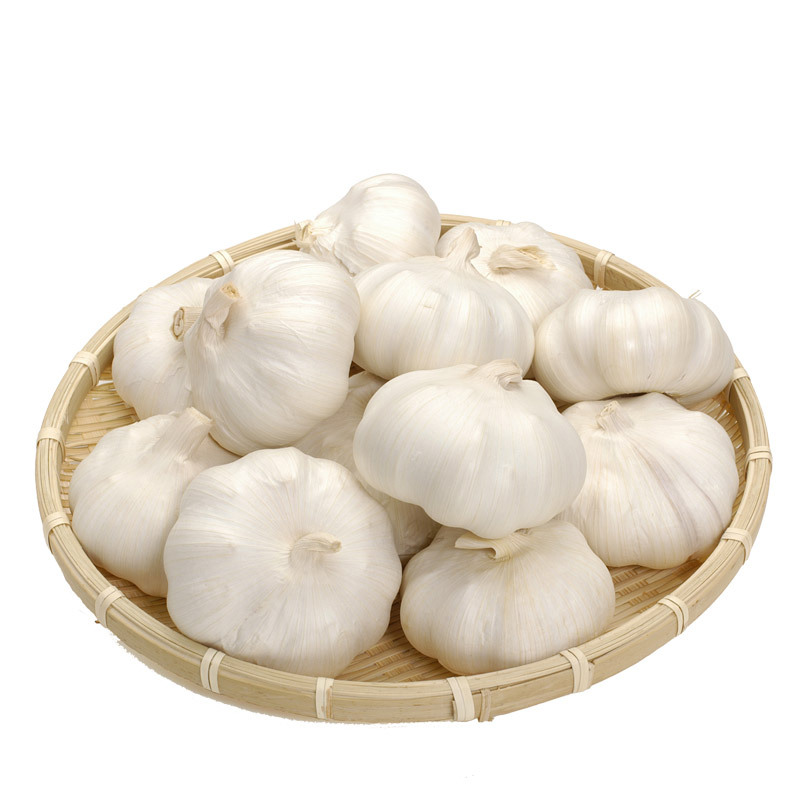
Factory salted peeled garlic cloves in brine in drums
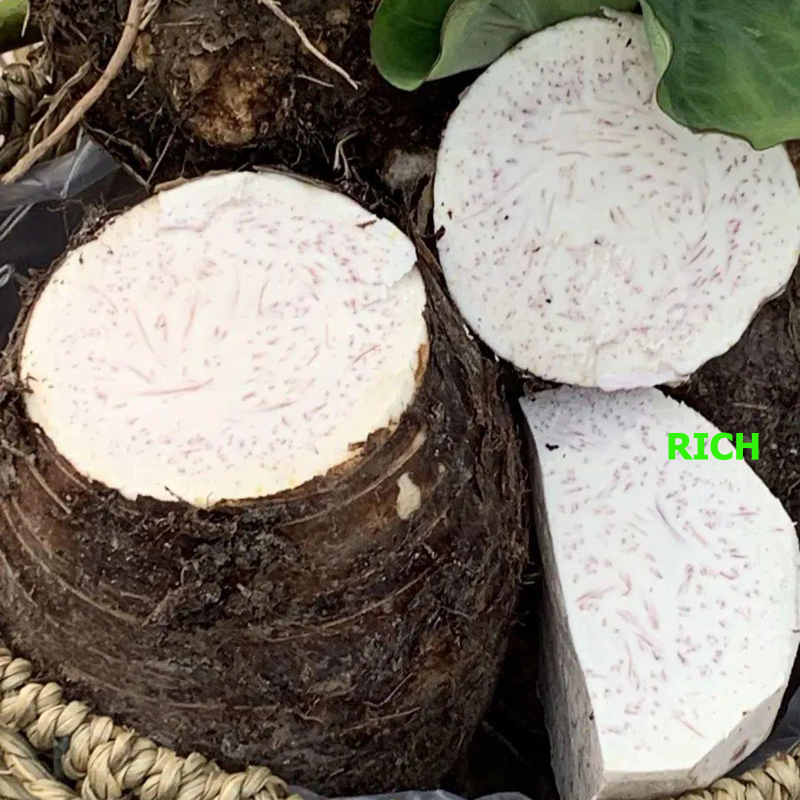
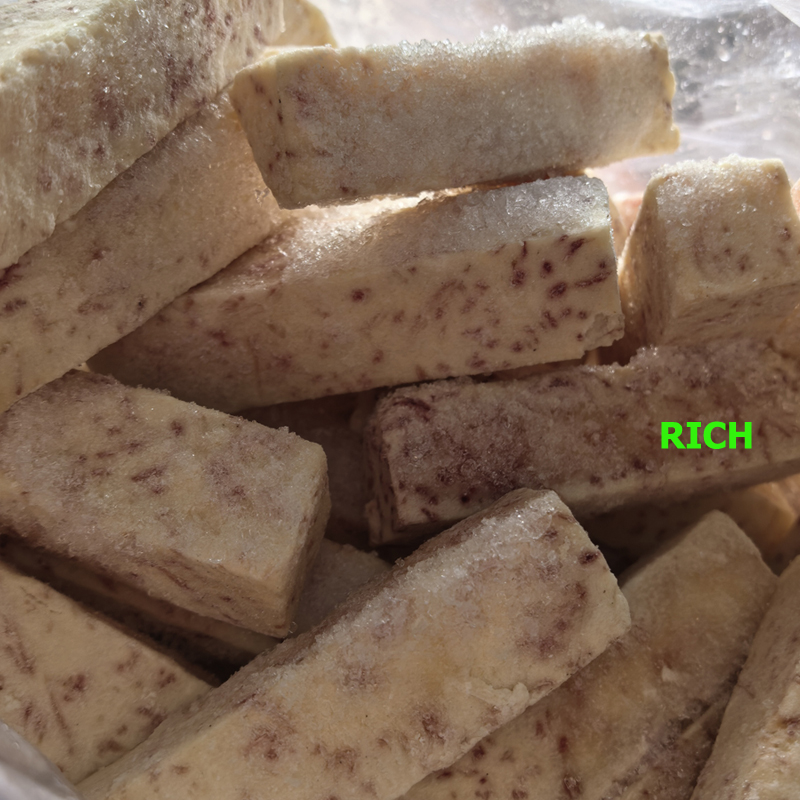
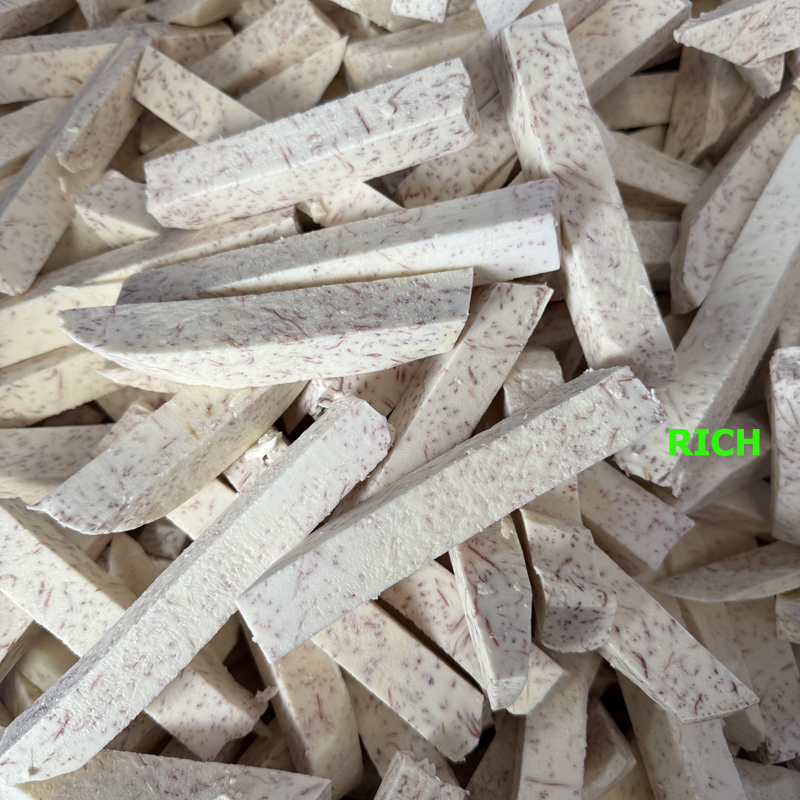
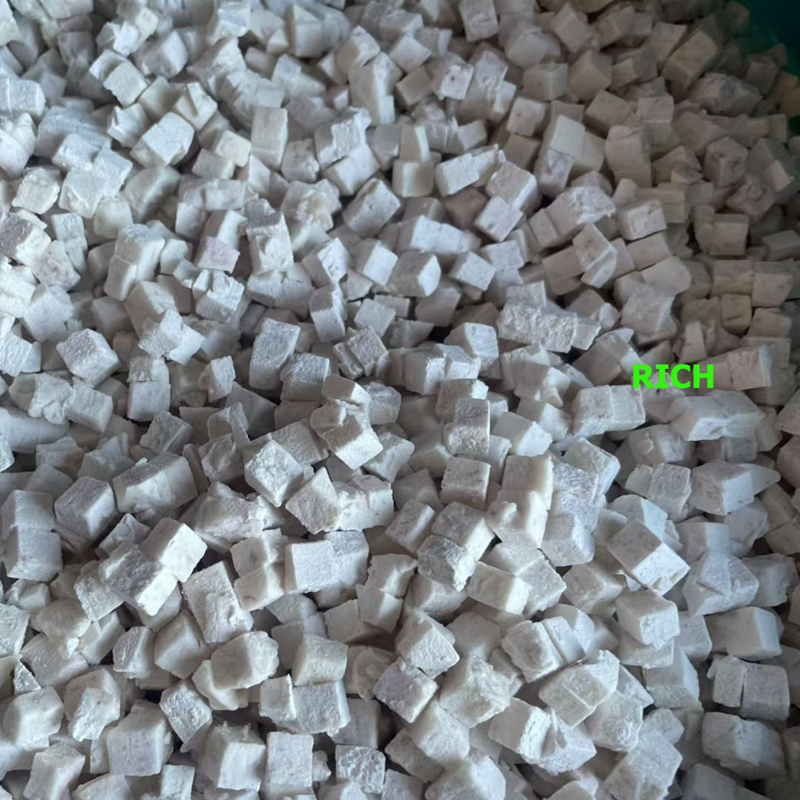
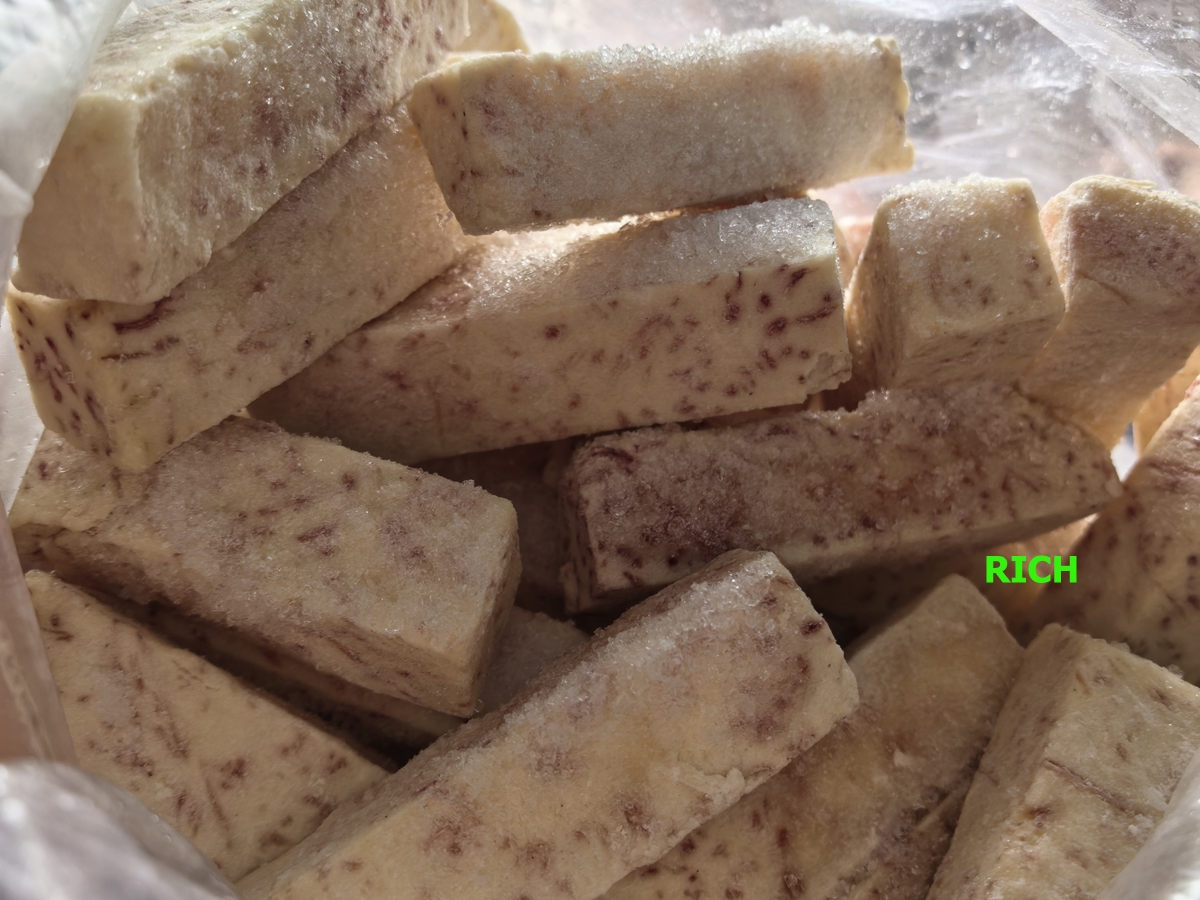
IQF Frozen Taro
Introduction of Frozen Taro Frozen taro is made from fresh, high-quality taro roots that are carefully selected, peeled, washed, and cut into desired shapes such as cubes, slices, or chunks before being quickly frozen using the IQF (Individual Quick Freezing) method. This process preserves the na...
Description
Marker
Introduction of Frozen Taro
Frozen taro is made from fresh, high-quality taro roots that are carefully selected, peeled, washed, and cut into desired shapes such as cubes, slices, or chunks before being quickly frozen using the IQF (Individual Quick Freezing) method. This process preserves the natural flavor, aroma, color, and nutritional value of the taro while extending its shelf life and maintaining convenience for year-round use.
Frozen taro is widely used in both household and commercial food preparations. It serves as an excellent ingredient for desserts, soups, beverages, snacks, and savory dishes. With its smooth texture and slightly sweet, nutty flavor, frozen taro provides a versatile option for various cuisines across Asia and beyond.
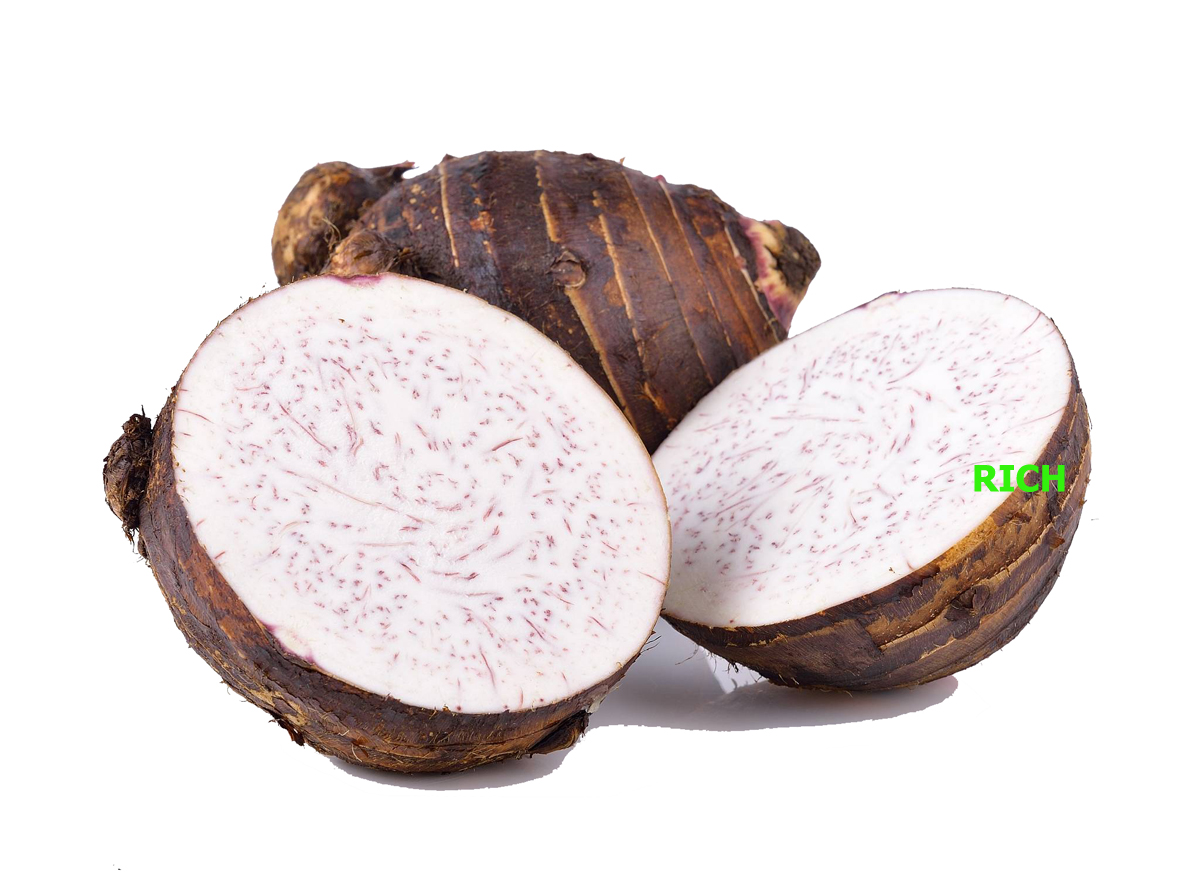
Parameters of Frozen Taro
| Product Name | IQF Frozen Taro |
| Variety | Colocasia esculenta (common taro variety) |
| Processing Type | Peeled, washed, cut, blanched, and quick frozen |
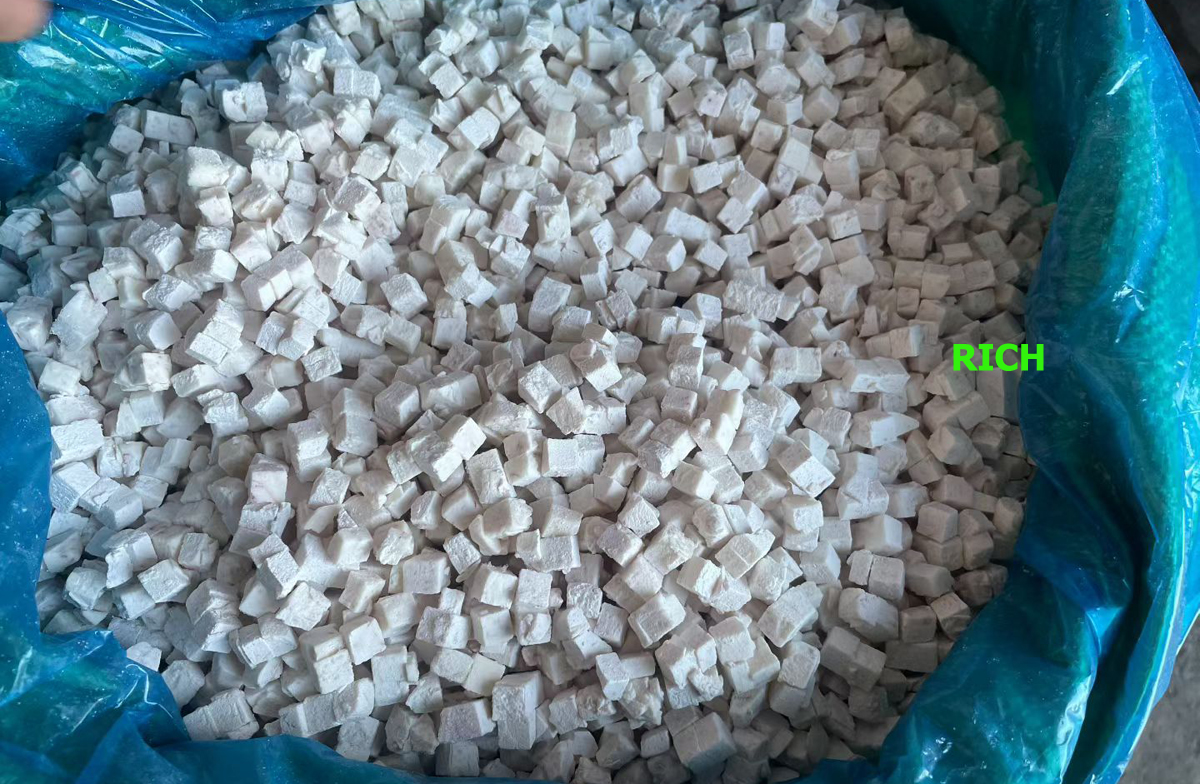
| Cut Styles | Cubes (10x10mm, 20x20mm, etc.), slices, or customized |
| Color | Natural white to light purple |
| Taste & Texture | Sweet, smooth, and tender after cooking |
| Shelf Life | 24 months under -18°C storage |
| Storage Condition | Keep frozen at or below -18°C |
| Foreign Matter | None |
| GMO Status | Non-GMO |
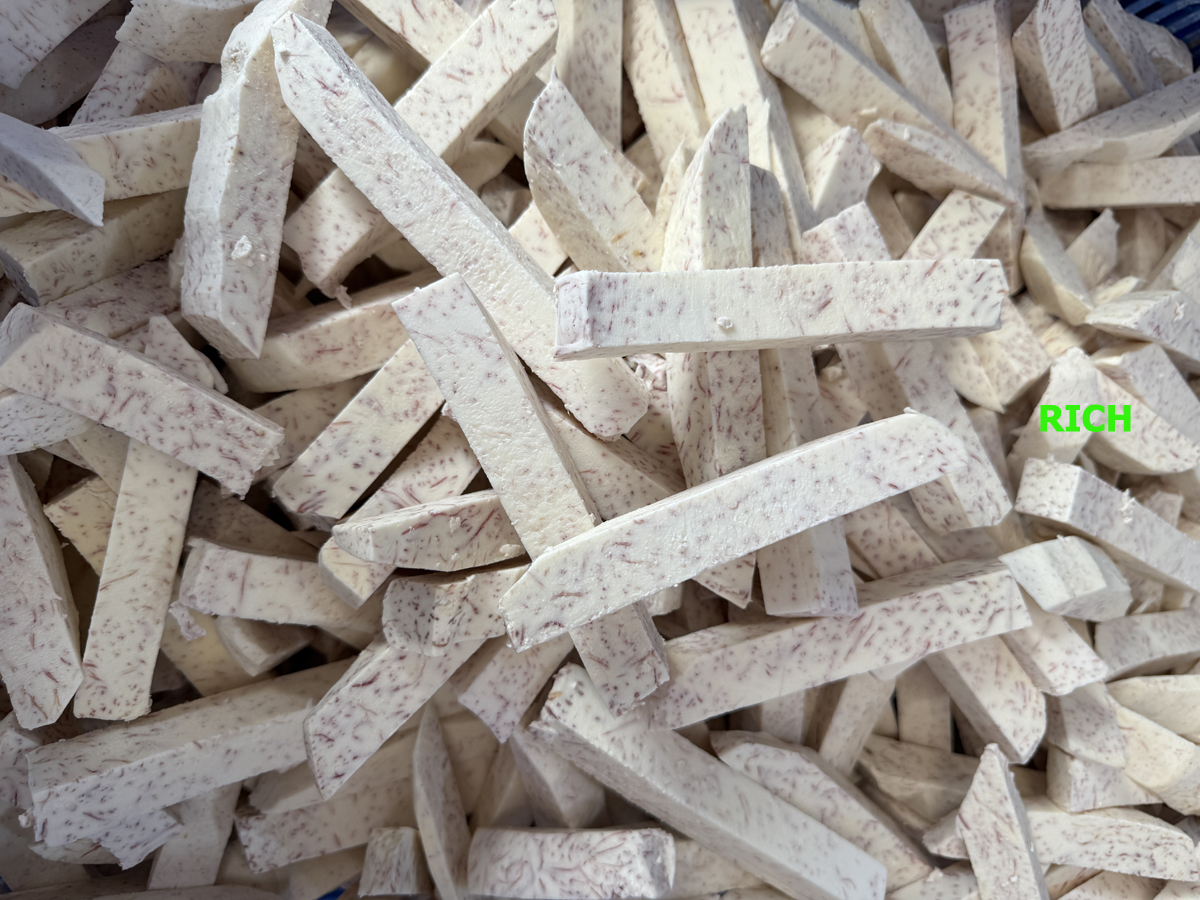
Applications
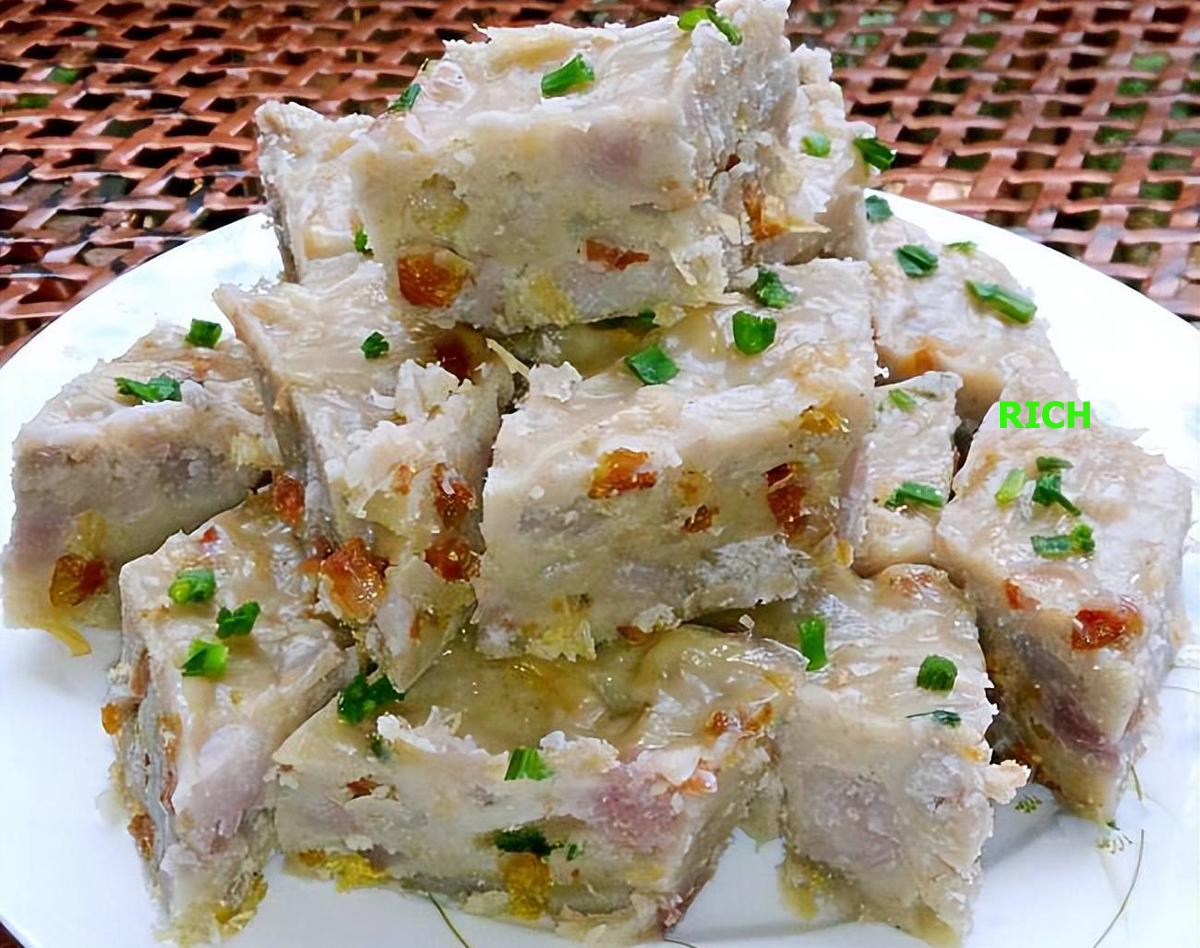
Frozen taro is highly versatile and widely used in: Perfect for bubble tea, taro balls, desserts, curries, soups, snacks, and beverages.
| Desserts | Taro balls, bubble tea, ice cream, and pastries |
| Savory Dishes | Soups, curries, hot pots, and steamed dishes |
| Snacks | Fried taro chips and taro fries |
| Beverages | Smoothies and milk tea toppings |
It offers excellent convenience for food manufacturers, restaurants, and households seeking consistent quality and easy preparation.
Packaging & Delivery
-
Packing: 1×10kg or 1×20kg bulk bags; 1×1kg ×10/carton; or as per customer’s request
-
Carton Size: Standard export carton or customized
-
Storage Temperature: ≤ -18°C
-
Loading Quantity: Approx. 22–25MT per 40’RH container
-
Delivery Time: 15–25 days after order confirmation
-
Supply Season: Year-round (mainly from September to February for new crop)
Why Choose us
-
Strict Raw Material Selection: Selected from fresh, high-quality taro roots grown in clean, fertile regions to ensure natural flavor and rich nutrition.
- Delicate Taste & Texture: Smooth, creamy, and slightly sweet — ideal for both savory and dessert applications.
-
Advanced IQF Processing: Rapid freezing preserves natural flavor, nutrition, and texture.
-
Stable Supply Capacity: Modern facilities and cold storage ensure stable year-round production.
-
High Food Safety Standards: HACCP, ISO, and BRC certified production for guaranteed quality.
- Flexible Packaging Options: Available in bulk or retail packs; customizable cut sizes and private labels accepted.
-
Customized Solutions: Various cut sizes, packaging options, and private labels available.
-
Professional Export Experience: Many years of experience supplying global markets with consistent quality and service.
FAQ
1. What are the advantages of using frozen taro instead of fresh taro?
Frozen taro offers consistent quality, long shelf life, and year-round availability. It is pre-processed and ready to use, saving time and reducing waste compared with handling fresh taro.
2. Does frozen taro need to be thawed before cooking?
Not necessarily. Frozen taro can be cooked directly from frozen for most applications such as soups, curries, and desserts. For some desserts or frying, slight thawing may help achieve better texture.
3. What kinds of cut sizes are available?
We can supply frozen taro in cubes (10×10mm, 20×20mm, etc.), slices, or customized shapes according to customer requirements.
4. What is the typical delivery time?
Normally 15–25 days after order confirmation, depending on order quantity and packaging requirements.
5. Can you provide private label or customized packaging?
Absolutely. We can offer customized packaging, labeling, and carton designs according to customer needs.
6. Is your frozen taro suitable for export to different markets?
Yes. Our products are produced under HACCP, ISO, and BRC standards and meet export requirements for markets in Asia, Europe, North America, and the Middle East.
Welcome to visit us!
Global taro market growth projections
The global taro market is valued at about USD 13 billion, with expectations for expansion driven by demand for healthy, gluten-free foods and innovative taro products.
Ken Research
Some forecasts project the overall taro market could reach around USD 20.5 billion by 2035, growing at a ~3.97% CAGR.
CONTACT US
Related Popular Products

Frozen peeled soy beans
Frozen Peeled Soy Beans are a premium vegetable product made from carefully selected fresh soybea...
2025 new crop white mushroom in SO2
2025 new crop white mushroom in SO2 General Introduction of 2025 New Crop White Mushroom in SO₂ T...
Frozen French Fries
Frozen French Fries -are one of the most popular and convenient frozen food products enjoyed worl...
High Quality Frozen Mango Dices
Frozen Mango Dices Frozen mango is made from fresh, ripe mangoes that are peeled, cut into slices...
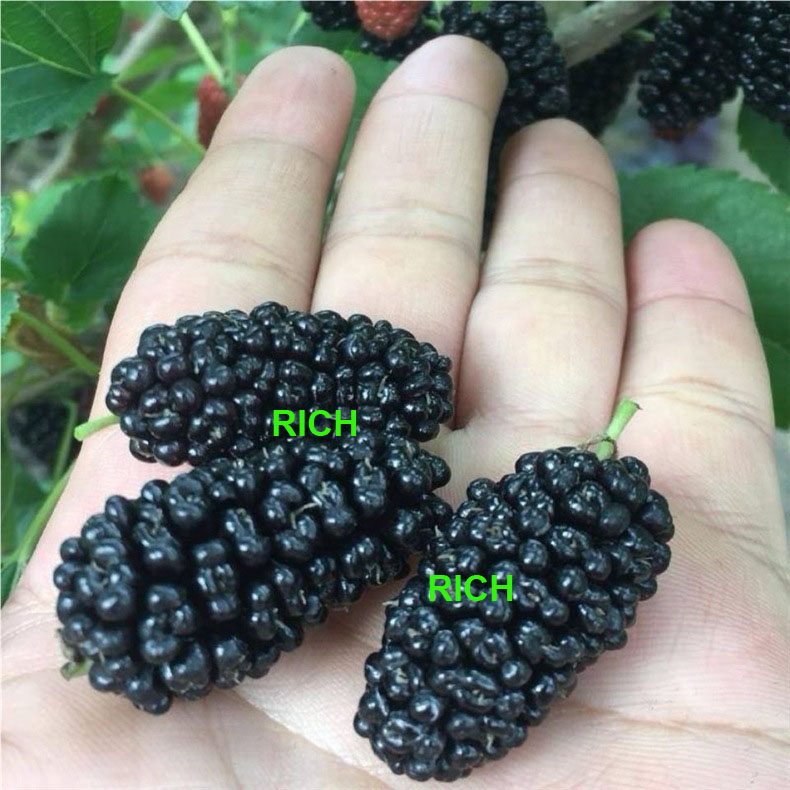
Hot Selling Frozen Fruits Black Mulberry
Frozen Fruits Black Mulberry (IQF) Frozen Black Mulberry is a premium berry product processed thr...
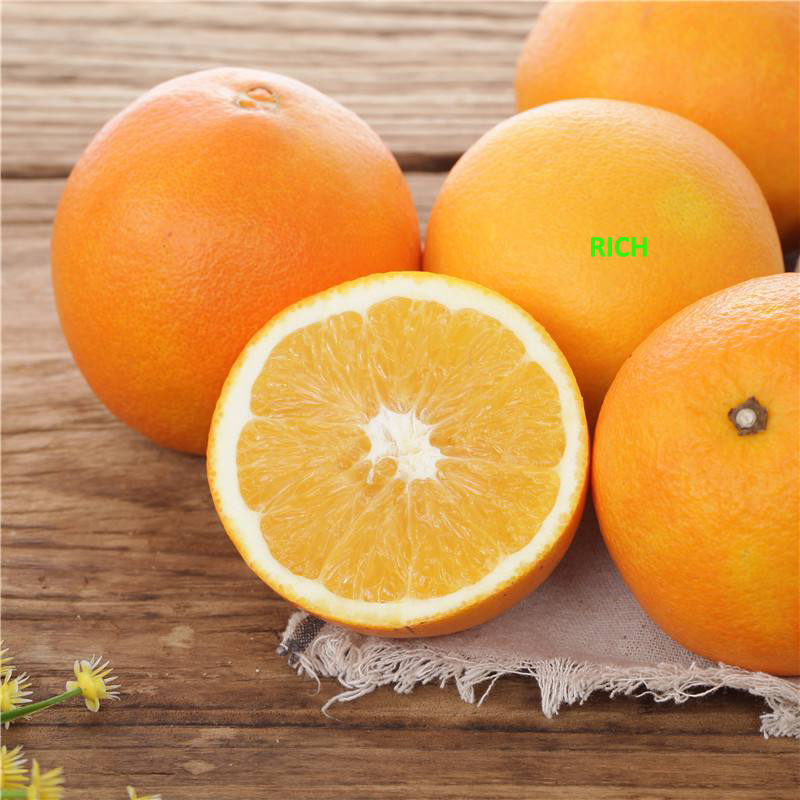
Frozen Orange Segments L30-50mm
Frozen Orange Segments L30-50mm 🌿 1. Product Introduction of frozen orange segments IQF Frozen Or...

White garlic cloves in salted water 150-250PCS/KG
White garlic cloves in salted water White Garlic Cloves in Salted Water are carefully prepared fr...
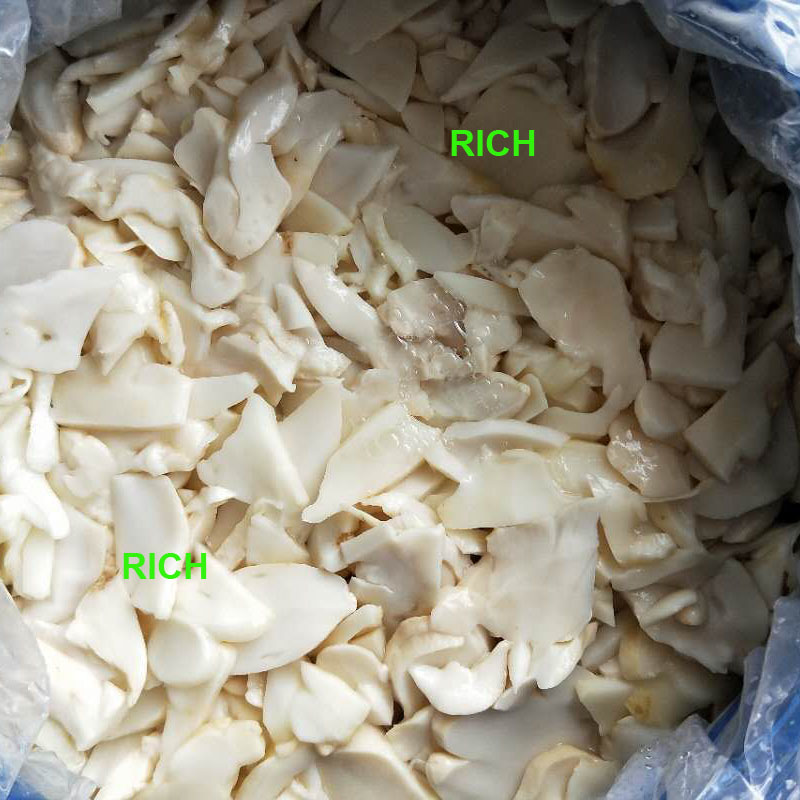
King oyster mushroom in SO2 in drums
King Oyster Mushroom in SO2 in Drums — Product Introduction King Oyster Mushroom (Pleurotus eryng...

Cultivated Whole White Mushroom In Brine In Drums
Cultivated Whole White Mushroom In Brine In Drums Cultivated Whole White Mushroom in Brine in Dru...

Whole frozen pears
Whole frozen pears Introduction of Frozen Pears Frozen pears are carefully selected fresh pears t...

IQF Frozen Fruit Yellow Peach1/2 cut
IQF Frozen Fruit Yellow Peach in 1/2 cut form are carefully selected from premium ripe peaches, c...
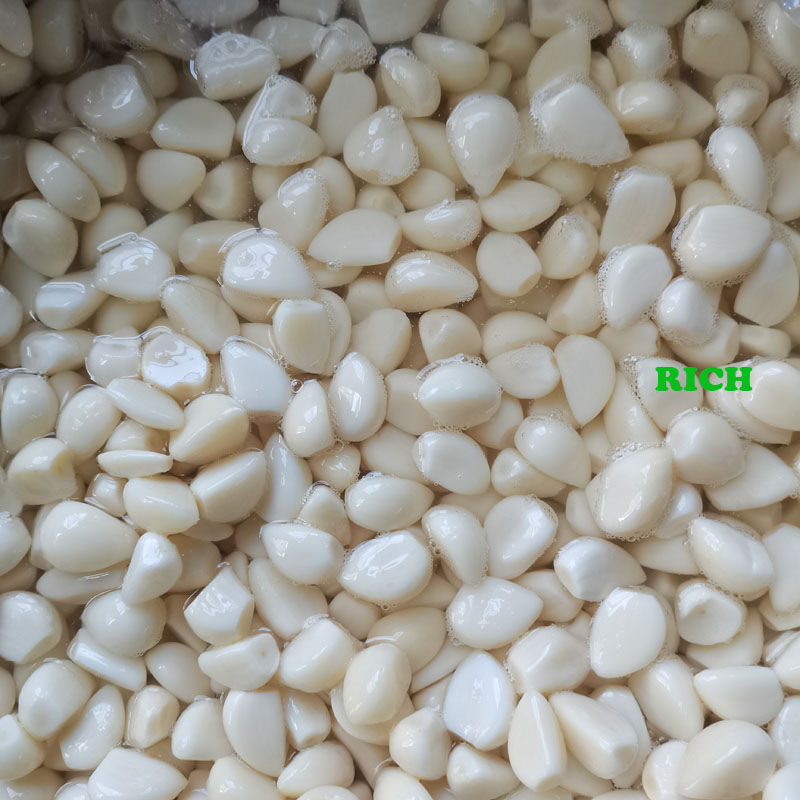
Salted peeled garlic cloves in brine in drums
Salted peeled garlic cloves in brine in drums Peeled Garlic Cloves in Brine are a high-quality, c...
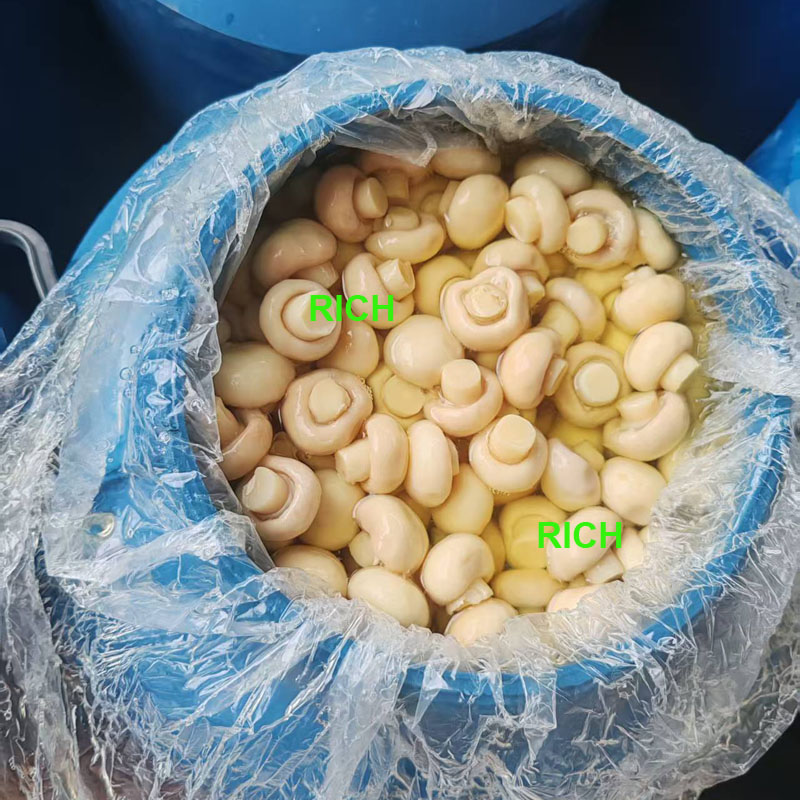
Drum packing champignon mushrooms in SO2
Champignon Mushrooms in SO2 (Drum Packing) Champignon mushrooms in SO2 are freshly harvested whi...

Diced frozen sweet potato
Diced Frozen Sweet Potato Our Diced Frozen Sweet Potato is carefully prepared from freshly harves...

Calacatta
FOR U STONE Calacatta Super Jumbo Quartz Slabs are available in Standard, Normal, and Super Jumbo sizes. Calacatta Marble Look Quartz is the star among quartz … FOR U STONE Calacatta Super Jumbo Quartz Slabs are available in Standard, Normal, and Super Jumbo sizes. Calacatta Marble Look Quartz is the star among quartz … 图片加属性(命名) FOR U STONE Calacatta Super Jumbo Quartz Slabs are available in Standard, Normal, and Super Jumbo sizes. Calacatta Marble Look Quartz is the star among quartz … FOR U STONE Calacatta Super Jumbo Quartz Slabs are available in Standard, Normal, and Super Jumbo sizes. Calacatta Marble Look Quartz is the star among quartz … FOR U STONE Calacatta Super Jumbo Quartz Slabs are available in Standard, Normal, and Super Jumbo sizes. Calacatta Marble Look Quartz is the star among quartz … FOR U STONE Calacatta Super Jumbo Quartz Slabs are available in Standard, Normal, and Super Jumbo sizes. Calacatta Marble Look Quartz is the star among quartz … FOR U STONE Calacatta Super Jumbo Quartz Slabs are available in Standard, Normal, and Super Jumbo sizes. Calacatta Marble Look Quartz is the star among quartz … FOR U STONE Calacatta Super Jumbo Quartz Slabs are available in Standard, Normal, and Super Jumbo sizes. Calacatta Marble Look Quartz is the star among quartz … FOR U STONE Calacatta Super Jumbo Quartz Slabs are available in Standard, Normal, and Super Jumbo sizes. Calacatta Marble Look Quartz is the star among quartz … FOR U STONE Calacatta Super Jumbo Quartz Slabs are available in Standard, Normal, and Super Jumbo sizes. Calacatta Marble Look Quartz is the star among quartz … FOR U STONE Calacatta Super Jumbo Quartz Slabs are available in Standard, Normal, and Super Jumbo sizes. Calacatta Marble Look Quartz is the star among quartz … FOR U STONE Calacatta Super Jumbo Quartz Slabs are available in Standard, Normal, and Super Jumbo sizes. Calacatta Marble Look Quartz is the star among quartz … FOR U STONE Calacatta Super Jumbo Quartz Slabs are available in Standard, Normal, and Super Jumbo sizes. Calacatta Marble Look Quartz is the star among quartz … FOR U STONE Calacatta Super Jumbo Quartz Slabs are available in Standard, Normal, and Super Jumbo sizes. Calacatta Marble Look Quartz is the star among quartz … FOR U STONE Calacatta Super Jumbo Quartz Slabs are available in Standard, Normal, and Super Jumbo sizes. Calacatta Marble Look Quartz is the star among quartz … FOR U STONE Calacatta Super Jumbo Quartz Slabs are available in Standard, Normal, and Super Jumbo sizes. Calacatta Marble Look Quartz is the star among quartz … FOR U STONE Calacatta Super Jumbo Quartz Slabs are available in Standard, Normal, and Super Jumbo sizes. Calacatta Marble Look Quartz is the star among quartz … FOR U STONE Calacatta Super Jumbo Quartz Slabs are available in Standard, Normal, and Super Jumbo sizes. Calacatta Marble Look Quartz is the star among quartz … FOR U STONE Calacatta Super Jumbo Quartz Slabs are available in Standard, Normal, and Super Jumbo sizes. Calacatta Marble Look Quartz is the star among quartz … FOR U STONE Calacatta Super Jumbo Quartz Slabs are available in Standard, Normal, and Super Jumbo sizes. Calacatta Marble Look Quartz is the star among quartz … FOR U STONE Calacatta Super Jumbo Quartz Slabs are available in Standard, Normal, and Super Jumbo sizes. Calacatta Marble Look Quartz is the star among quartz … FOR U STONE Calacatta Super Jumbo Quartz Slabs are available in Standard, Normal, and Super Jumbo sizes. Calacatta Marble Look Quartz is the star among quartz … FOR U STONE Calacatta Super Jumbo Quartz Slabs are available in Standard, Normal, and Super Jumbo sizes. Calacatta Marble Look Quartz is the star among quartz …
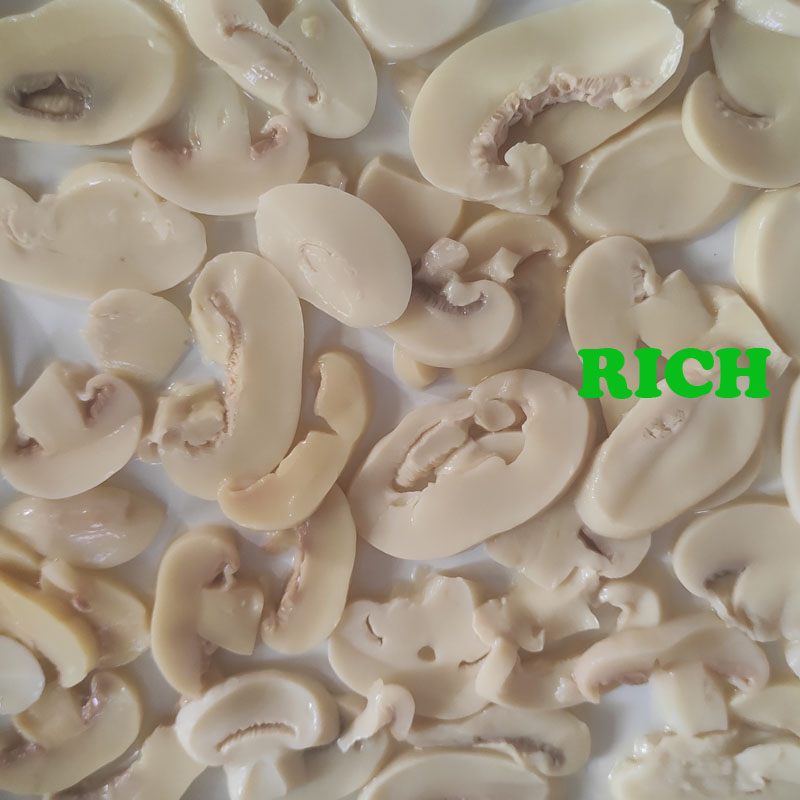
Sliced champignon mushroom in brine in drums
Brief Introduction of Fresh Champignon Mushroom in Brine in Drums Fresh champignon mushroom in br...