Contents
Frozen Pineapples Market, Global Outlook and Forecast 2025-2032
Global frozen pineapples market size was valued at USD 84.9 million in 2024. The market is projected to grow from USD 87.5 million in 2025 to USD 104 million by 2032, exhibiting a CAGR of 3.0% during the forecast period.
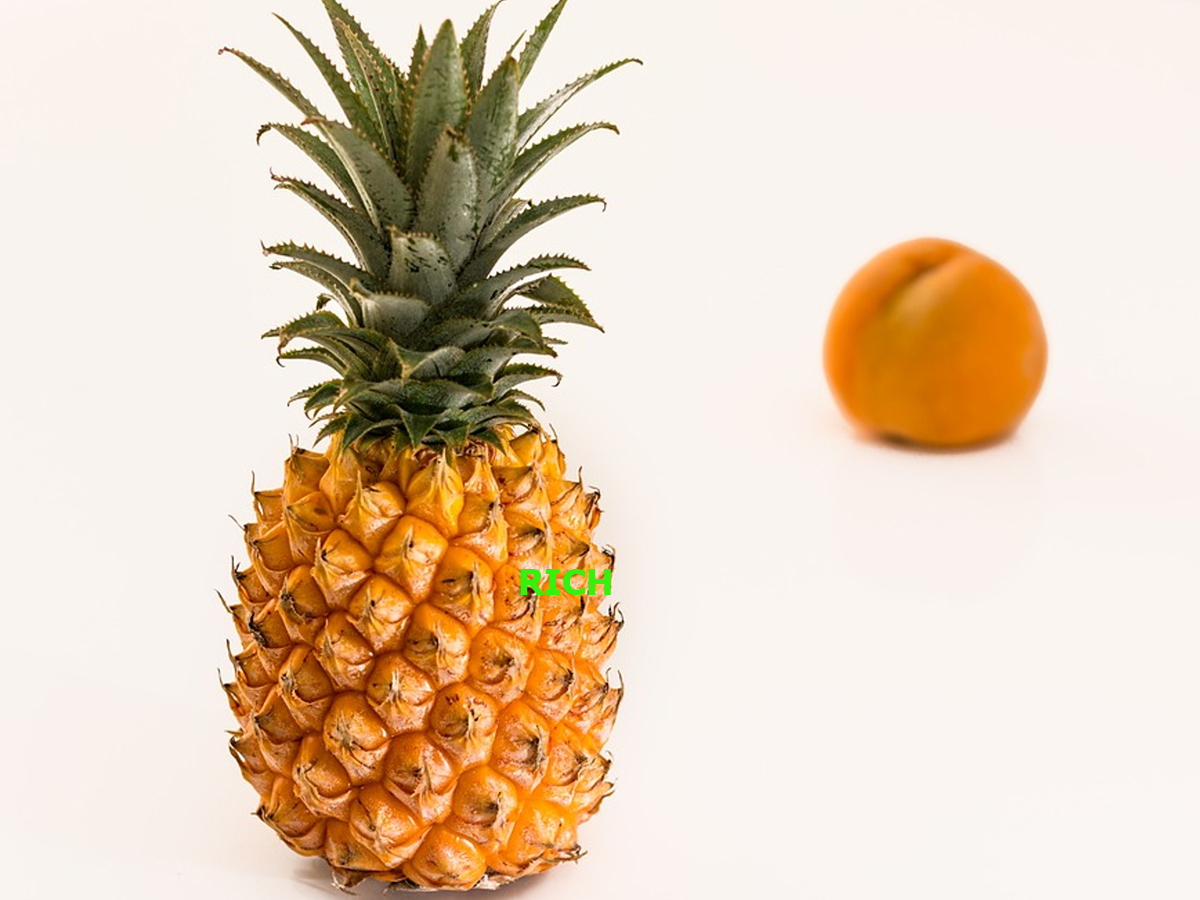
Frozen pineapples is prepared from properly ripened pineapple fruit that undergoes processing including peeling, coring, trimming and washing before being frozen at optimal temperatures for preservation. The product maintains nutritional value while offering extended shelf life and year-round availability, making it popular among food processors, foodservice operators and retail consumers.
The market growth is driven by increasing consumer demand for convenient frozen fruits, expansion of quick-service restaurants, and growing popularity of smoothies and tropical fruit blends. Asia-Pacific currently dominates with 39% market share due to high pineapple production in countries like Thailand and Philippines, while North America and Europe follow with 28% and 27% shares respectively. Key players including Dole, Ardo NV and Earthbound Farm are investing in advanced freezing technologies and sustainable packaging to meet evolving consumer preferences.
MARKET DYNAMICS
MARKET DRIVERS
Growing Demand for Convenience Foods to Accelerate Frozen Pineapples Market Growth
The global frozen pineapples market is experiencing significant growth due to increasing consumer demand for convenient food options. With busy lifestyles becoming the norm, consumers are shifting towards ready-to-use frozen fruits that maintain nutritional value while reducing preparation time. The market has witnessed a steady 5-7% annual growth in convenience food segments, directly benefiting frozen pineapple products. Modern freezing technologies like Individual Quick Freezing (IQF) preserve texture, flavor, and nutrients, making frozen pineapples nearly equivalent to fresh produce in culinary applications.
Health Consciousness and Nutritional Benefits to Expand Market Penetration
Heightened health awareness is driving demand for frozen pineapples as consumers recognize their year-round availability of essential vitamins and enzymes. Pineapples contain bromelain, a digestive enzyme with anti-inflammatory properties, along with high levels of vitamin C and manganese. The global functional food market, valued at over $200 billion, is creating spillover demand for nutrient-rich frozen fruits. Industrial applications in smoothies, yogurts, and baked goods are further expanding market reach as food manufacturers incorporate frozen pineapple for both flavor and health benefits.
➤ Recent product launches like Dole’s Antioxidant Blend frozen fruit mixes demonstrate how major players are capitalizing on health trends by combining pineapples with other superfruits.
Furthermore, the growing vegan and plant-based diet movement worldwide is accelerating adoption as frozen pineapple serves as a versatile ingredient in dairy alternatives and meat substitute recipes.
MARKET RESTRAINTS
Seasonal Production and Supply Chain Vulnerabilities to Limit Market Stability
While frozen pineapples offers year-round availability, the market remains constrained by raw material supply fluctuations. Pineapple cultivation is highly seasonal, with approximately 70% of global production concentrated in tropical regions during specific harvest windows. This seasonality creates pricing volatility and inventory management challenges for processors. Climate change impacts including unpredictable weather patterns and natural disasters further exacerbate supply risks, with major producing nations occasionally facing 15-20% yield reductions during adverse conditions.
Logistical Costs and Energy-Intensive Processing to Increase Operational Expenses
The frozen pineapples value chain faces mounting pressure from rising energy costs required for processing and cold chain maintenance. Freezing operations consume significant electricity, with energy representing 25-30% of total production costs. International shipping expenses have increased by approximately 40-50% in recent years, disproportionately affecting tropical exporters serving distant markets like Europe and North America. These cost pressures ultimately translate to higher retail prices, potentially limiting market growth in price-sensitive developing regions.
MARKET OPPORTUNITIES
Expansion in Emerging Economies to Open New Growth Frontiers
Developing markets in Asia-Pacific and Latin America present substantial growth opportunities as frozen food penetration increases. Rising disposable incomes combined with western dietary influences are driving demand, with the Asia-Pacific frozen fruit market projected to grow at 8-10% CAGR through 2030. Countries like India, China, and Brazil are seeing supermarket expansion and cold chain infrastructure development, enabling broader frozen pineapple distribution. Local production partnerships could reduce import dependencies and create regional processing hubs to serve these high-growth markets cost-effectively.
Innovative Product Formats and Value-Added Processing to Enhance Profitability
Product innovation represents a key opportunity area for market differentiation. Value-added processed formats like pineapple purees, juice concentrates, and customized cuts (rings, spears) command premium pricing with 20-30% higher margins compared to standard frozen chunks. The foodservice sector’s growing preference for pre-portioned, ready-to-use ingredients creates additional opportunities. Advanced processing technologies such as cryogenic freezing and vacuum impregnation are enabling superior quality retention, opening doors to high-end culinary and mixology applications.
MARKET CHALLENGES
Intense Competition from Alternative Preservation Methods to Pressure Market Share
The frozen pineapples sector faces growing competition from alternative preservation technologies like high-pressure processing (HPP), drying, and aseptic packaging. While freezing remains dominant, these emerging methods offer advantages in specific applications–HPP retains fresh-like qualities without temperature control requirements, making it attractive for certain retail and foodservice channels. Brand owners must clearly communicate frozen pineapple’s distinct advantages in texture retention and cooking performance to maintain market position against these alternatives.
Quality Consistency and Shelf-Life Management to Test Supply Chain Efficiency
Maintaining consistent quality across frozen pineapples batches presents ongoing operational challenges. Variations in raw material maturity at processing, freezer burn prevention, and temperature fluctuations during distribution all impact end-product quality. Studies indicate that improper cold chain management can reduce shelf life by 30-50%, directly affecting profitability. Implementing blockchain-based traceability systems and smart packaging with temperature indicators are becoming essential investments for major players to ensure product integrity throughout the value chain.
Segment Analysis:
By Type
Frozen Pineapples Chunks Lead the Market Owing to High Convenience and Food Processing Demand
The market is segmented based on type into:
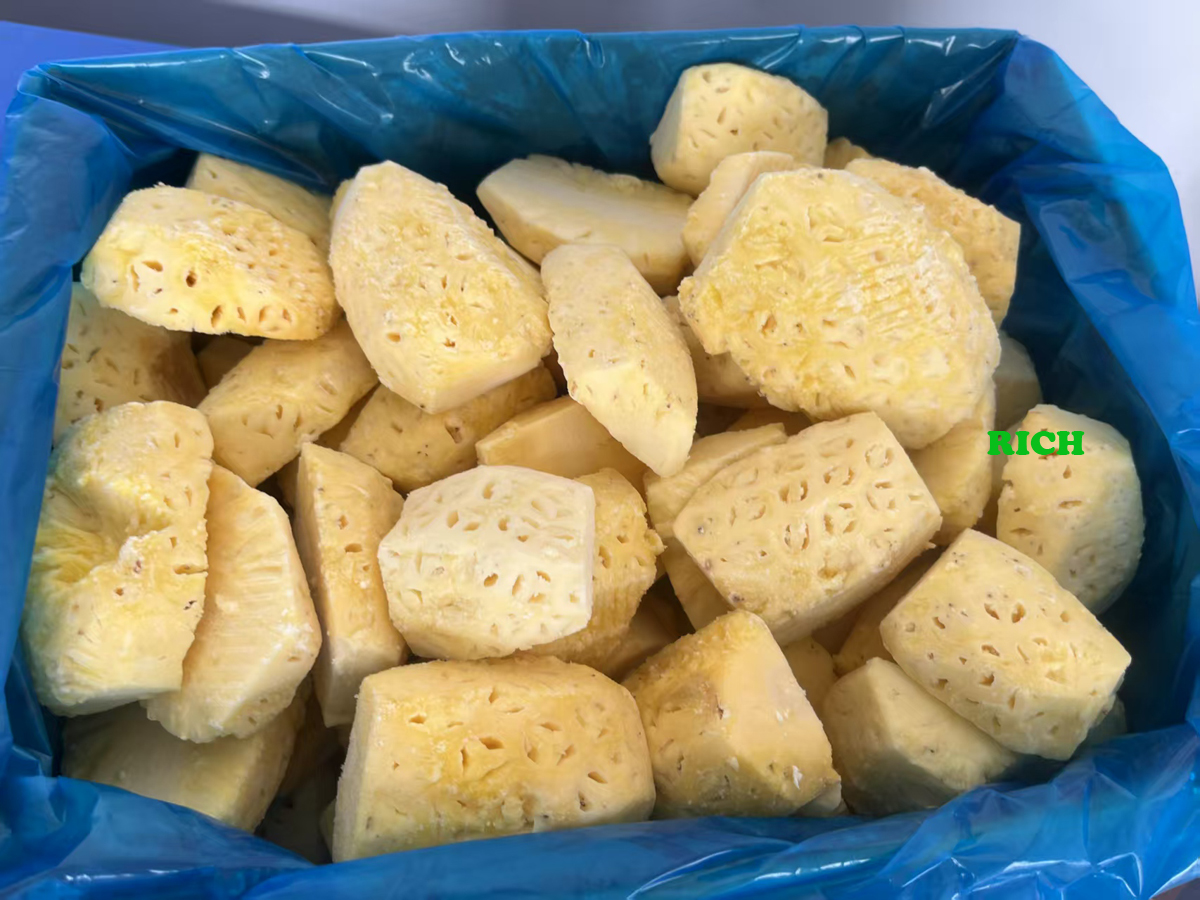
Frozen Pineapples Chunks
Frozen Pineapples Dices
Frozen Pineapples Rings
Frozen Pineapples Puree
Others (slices, spears, etc.)
By Application
Foodservice Sector Drives Demand Due to Expanding Food & Beverage Industry
The market is segmented based on application into:
Retail (supermarkets, hypermarkets, etc.)
Foodservice (restaurants, hotels, cafes)
Industrial (food processing, ingredient use)
Smoothie & Juice Bars
Others (institutional, household)
By Distribution Channel
Supermarkets/Hypermarkets Remain Dominant Through Established Retail Networks
The market is segmented based on distribution channel into:
Supermarkets/Hypermarkets
Convenience Stores
Online Retail
Wholesale Distributors
Direct Sales
By Packaging
Bulk Packaging Gains Traction for Industrial Applications
The market is segmented based on packaging into:
Retail Packaging (consumer packs)
Bulk Packaging (industrial sizes)
Institutional Packaging
Frozen IQF (Individual Quick Frozen)
COMPETITIVE LANDSCAPE
Key Industry Players
Global Suppliers Adapt to Changing Consumer Demand for Frozen Tropical Fruits
The frozen pineapples market features a mix of multinational fruit processors and specialized frozen food distributors competing across key regions. Dole Food Company leads the market with approximately 5.4% global revenue share in 2024, leveraging its vertically integrated supply chain from pineapple plantations to frozen processing facilities across tropical regions.
Ardo NV and Earthbound Farm follow closely, collectively capturing nearly 7% of market share through their extensive frozen fruit portfolios and established distribution networks in Europe and North America. These companies benefit from long-term contracts with retail chains and foodservice providers, ensuring stable demand for frozen pineapple products.
The competitive landscape continues evolving as companies invest in advanced freezing technologies to enhance product quality. Quick-freeze innovations help preserve texture and nutritional content – a critical factor as consumers increasingly prioritize health credentials in frozen fruit purchases. Market leaders are also expanding organic offerings to capitalize on the 12% annual growth in organic frozen fruit demand.
Meanwhile, regional processors like Harbin Gaotai in China and Siam Inter Sweet in Thailand are gaining traction by offering competitive pricing and localized product formats tailored to Asian culinary applications. These players are expanding exports to Western markets through strategic partnerships with distributors.
FROZEN PINEAPPLES MARKET TRENDS
Increased Demand for Convenience Foods Drives Market Expansion
The global frozen pineapples market is witnessing steady growth, primarily driven by rising consumer demand for convenient, nutritionally rich food options. With urbanization accelerating and lifestyles becoming busier, frozen pineapples offer a practical solution that retains up to 90% of the fruit’s original nutritional value while eliminating preparation time.
Retail sales data from 2023 indicates that the convenience food segment, including frozen fruits, grew by 5.2% year-over-year in developed markets, with pineapple products accounting for approximately 18% of total frozen fruit sales. This trend is further supported by advancements in flash-freezing technologies, which help preserve texture, flavor, and vitamin C content more effectively than traditional methods.
Other Trends
Health-Conscious Consumption Patterns
Growing health awareness is significantly influencing purchasing decisions, with frozen pineapples gaining recognition as a year-round source of bromelain, vitamin C, and dietary fiber. Market surveys reveal that 67% of health-focused consumers now prefer frozen fruits over canned alternatives due to lower sugar content and minimal processing.
The post-pandemic emphasis on immunity-boosting foods has particularly benefited the segment, with pineapple’s natural anti-inflammatory properties driving 12% higher demand in the functional food category compared to pre-2020 levels. Food manufacturers are responding by incorporating frozen pineapple into smoothie mixes, breakfast bowls, and fortified snack products.
Supply Chain Optimization and Sustainability Initiatives
The industry is undergoing transformation through logistical innovations that address traditional cold chain challenges. Major producers are implementing blockchain-enabled tracking systems to reduce spoilage rates, which previously accounted for nearly 15% of losses in tropical fruit distribution.
Simultaneously, environmentally conscious packaging solutions – such as compostable bags and reduced-plastic containers – now represent 28% of new product launches, up from just 9% five years ago. These developments coincide with pineapple sourcing programs focused on fair trade practices, as over 60% of European importers now mandate sustainability certifications from supplying plantations.
Regional Analysis: Frozen Pineapples Market
North America
The North American frozen pineapple market accounts for approximately 28% of global consumption, driven by robust demand in retail and foodservice sectors. The United States dominates regional sales, fueled by consumer preference for convenient, year-round tropical fruit options.
Increasing health consciousness has boosted demand for frozen pineapples as a natural sweetener in smoothies, desserts, and ready-to-eat meals. However, supply chain disruptions from tropical storms and reliance on imports create pricing volatility. Major brands like Dole and Del Monte leverage advanced flash-freezing techniques to preserve nutritional value, aligning with the region’s focus on premium, high-quality frozen products.
Europe
Europe holds a 27% market share, with Germany and the U.K. leading in per capita consumption. Stringent EU food safety regulations ensure high processing standards, favoring established brands like Ardo NV. Demand is rising for organic and sustainably sourced frozen pineapple, particularly in Nordic countries where fresh tropical fruit availability is limited.
The food processing industry utilizes frozen pineapple extensively in dairy products and baked goods. However, competition from other frozen fruits (e.g., berries) and price sensitivity in Southern Europe moderate growth. Brexit-related trade complexities continue to impact U.K. supply chains.
Asia-Pacific
As the largest regional market (39% global share), Asia-Pacific thrives on expanding middle-class populations and urbanization. China, India, and Southeast Asian countries drive volume growth, with frozen pineapple increasingly used in beverages, confectionery, and quick-service restaurants. Local players like Harbin Gaotai compete with multinationals through cost-efficient production.
The region benefits from proximity to pineapple-growing nations like Thailand and the Philippines, reducing logistics costs. However, inconsistent cold chain infrastructure in emerging markets leads to product quality challenges. Japan and South Korea exhibit premiumization trends, with demand for individually quick-frozen (IQF) pineapple chunks.
South America
Brazil and Argentina represent the core of this emerging market, where frozen pineapple adoption grows alongside bakery and juice industries. The region benefits from domestic pineapple cultivation, but economic instability limits large-scale investments in freezing technology.
Unlike other markets, retail penetration remains low, with bulk sales to industrial users (e.g., yogurt manufacturers) dominating. Currency fluctuations and import dependencies on packaging materials constrain competitiveness. Nonetheless, rising disposable incomes and export opportunities to neighboring regions present long-term potential.
Middle East & Africa
This region shows nascent but accelerating demand, particularly in GCC countries where hospitality sectors drive imports. The UAE and Saudi Arabia account for over 60% of regional consumption, with frozen pineapple used extensively in hotels and catering services. South Africa leads in local production, albeit at small scale.
Challenges include high energy costs for cold storage and underdeveloped retail distribution. Halal certification and clean-label trends are becoming key purchase criteria. As tourism rebounds post-pandemic, demand for convenience foods in these markets is expected to rise steadily.
Report Scope
This market research report offers a holistic overview of global and regional markets for the forecast period 2025–2032. It presents accurate and actionable insights based on a blend of primary and secondary research.
Key Coverage Areas:
✅ Market Overview
Global and regional market size (historical & forecast)
Growth trends and value/volume projections
✅ Segmentation Analysis
By product type or category
By application or usage area
By end-user industry
By distribution channel (if applicable)
✅ Regional Insights
North America, Europe, Asia-Pacific, Latin America, Middle East & Africa
Country-level data for key markets
✅ Competitive Landscape
Company profiles and market share analysis
Key strategies: M&A, partnerships, expansions
Product portfolio and pricing strategies
✅ Technology & Innovation
Emerging technologies and R&D trends
Automation, digitalization, sustainability initiatives
Impact of AI, IoT, or other disruptors (where applicable)
✅ Market Dynamics
Key drivers supporting market growth
Restraints and potential risk factors
Supply chain trends and challenges
✅ Opportunities & Recommendations
High-growth segments
Investment hotspots
Strategic suggestions for stakeholders
✅ Stakeholder Insights
Target audience includes manufacturers, suppliers, distributors, investors, regulators, and policymakers