Contents
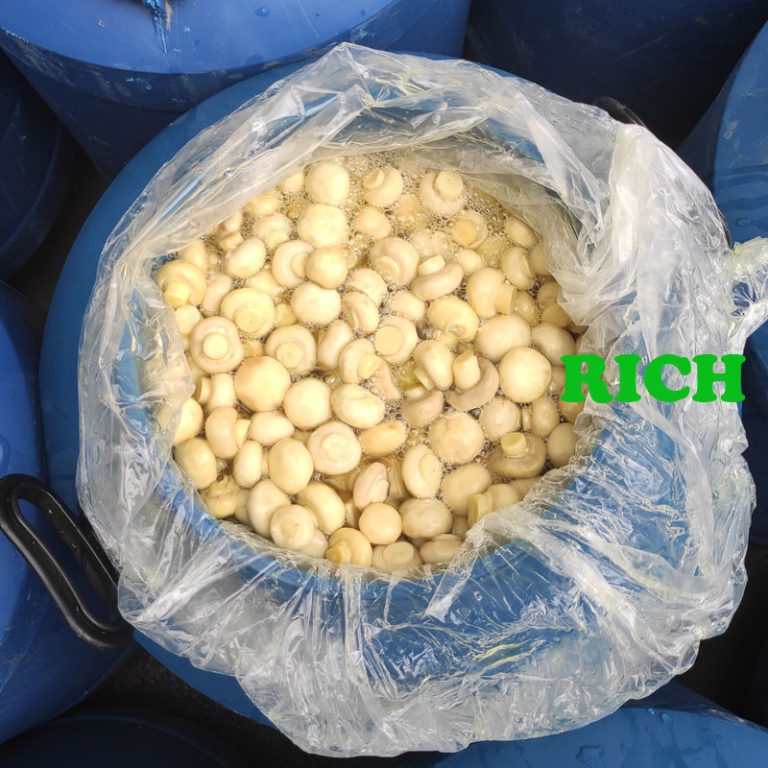
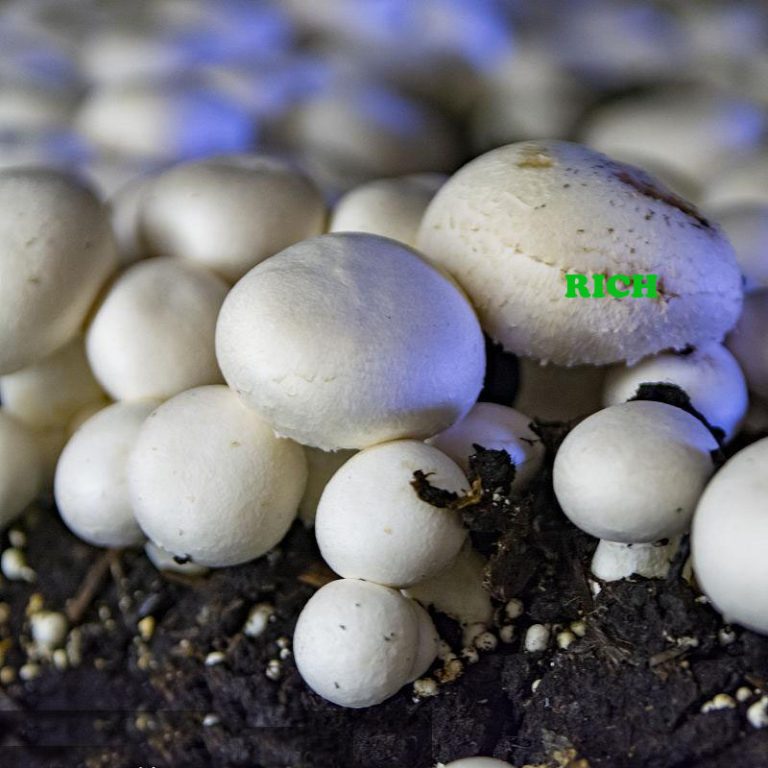
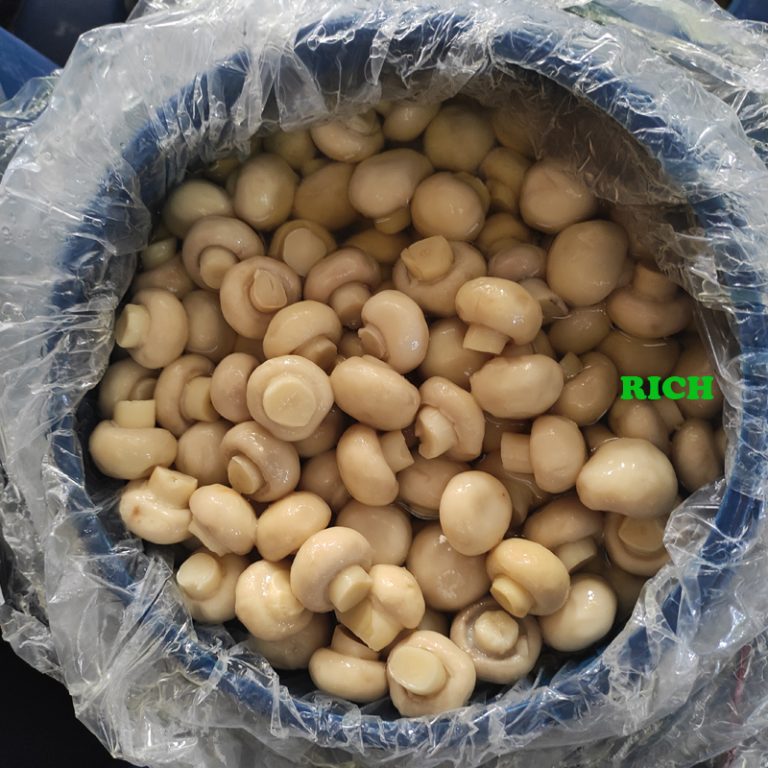
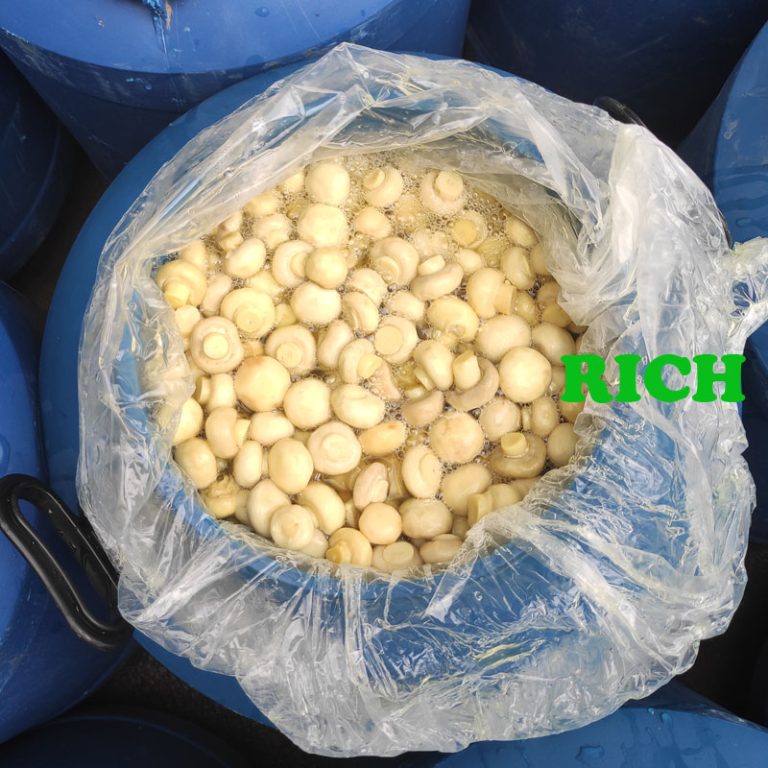
Mushrooms are more liver nourishing after freezing.
5 tips for preserving ingredients must be learned
As the temperature rises, what if there are too many purchased ingredients that cannot be eaten? Is it better to refrigerate or freeze? The shelf life of refrigeration seems insufficient, and frozen food often gives people a negative impression of lacking nutrition. However, in reality, some ingredients can not only extend their shelf life but also increase their nutritional value after being frozen.
What kind of food is suitable for freezing
In theory, ingredients with high moisture content and fragile structural organization should be consumed fresh. Solid foods with low water content can be frozen, but some ingredients may have significant changes in taste and texture after freezing, such as potatoes, konjac, etc. It is best not to freeze them.
Many ingredients need to be properly processed before freezing, which saves time when cooking and ensures a delicious taste. Here are several foods that are particularly suitable for consumption after freezing:
1. Frozen mushrooms
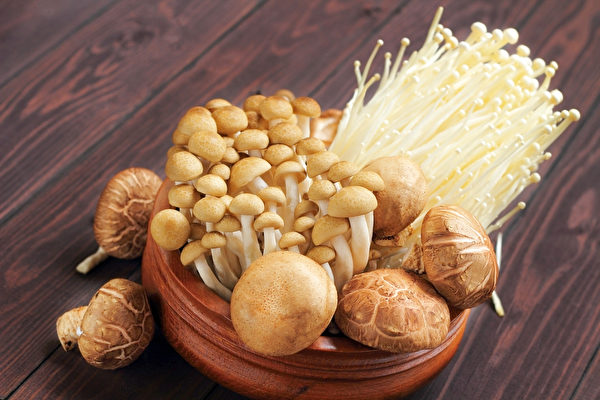
Mushrooms are a typical food that is more nutritious when frozen, as the umami components such as glutamic acid and aspartic acid increase during freezing. Glutamate can help repair and build muscles, and reduce the risk of infection after surgery; Aspartic acid has the effect of restoring fatigue and promoting liver detoxification function.
The freezing method of mushrooms is very simple, just remove the impurities and hard objects mixed inside the mushrooms, then put them in the zipper lock and put them in the freezer compartment of the refrigerator. One thing to note is to spread out the mushrooms in the bag and freeze them, without overlapping them. This way, the required quantity can be retrieved as needed during retrieval.
You can freeze only one type of mushroom, but it is recommended to mix multiple types of mushrooms for freezing. When needed, simply take it out and put it in miso soup or stew, or make it into stir fried mushrooms, which can help shorten cooking time.
2. Frozen broccoli
Mushrooms are more liver nourishing after freezing.
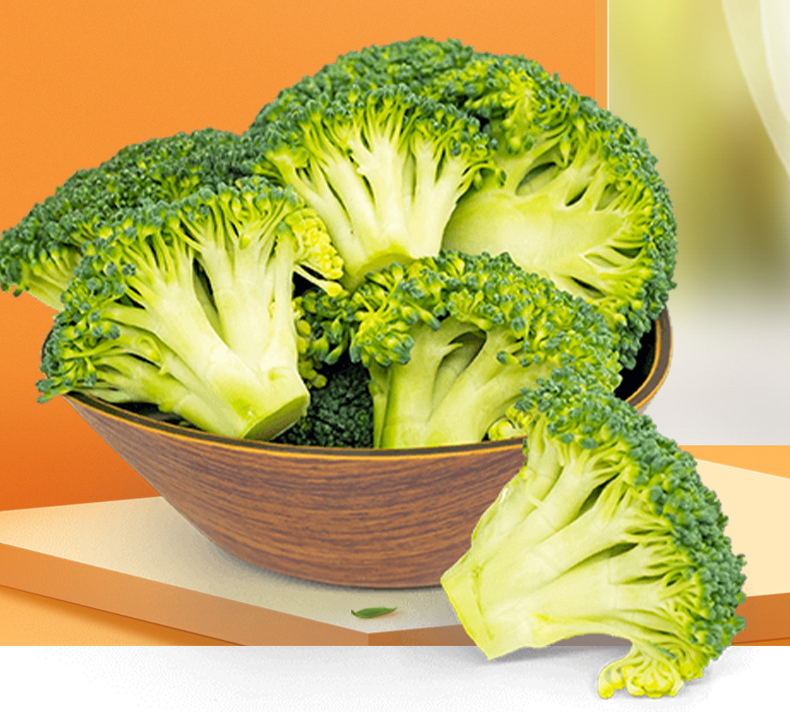
Freezing broccoli is beneficial for maintaining nutrition and freshness.
Frozen broccoli not only has bactericidal effects, but also inhibits the action of enzymes, which is beneficial for maintaining nutrition and freshness.
Freezing method: Before freezing broccoli, blanch it in water and quickly remove it, control the moisture, and cut it into small pieces. This way, when cooking, it can be directly added to shorten the cooking time.
Frozen broccoli will not lose its nutrients, but if it is frozen with residual moisture, it can lead to a decrease in taste and nutritional value. Therefore, when blanching and freezing, it is necessary to fully drain the water before freezing.
3. Frozen rice and bread
Mushrooms are more liver nourishing after freezing.
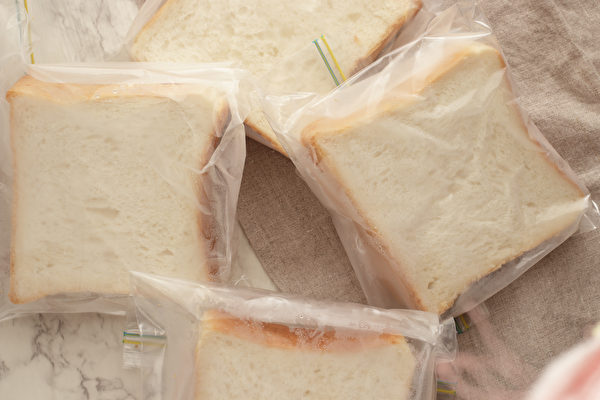
If the purchased bread cannot be consumed quickly, freezing it immediately can keep it fresh.
Freezing rice does not increase its nutritional value, but compared to waiting for the rice to cool before freezing, immediately freezing cooked rice is beneficial for maintaining its deliciousness.
In addition, if the purchased bread cannot be consumed quickly, it is recommended to freeze it immediately instead of storing it in the refrigerator for a few days. This is because the bread will harden after refrigeration and may mold when stored at room temperature. When eating frozen bread, you can reheat it in the microwave or toaster to make it as delicious as when you first bought it.
4. Frozen mussels
Mushrooms are more liver nourishing after freezing.
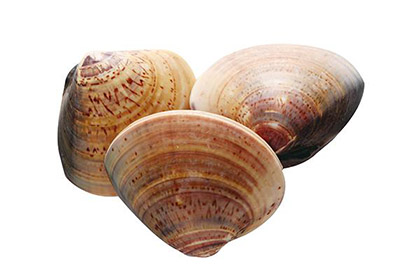
The content of ornithine in frozen mussels increases
You may not expect that mussels (clams, also known as sea anemones) have increased nutrition after freezing. Clams are also like this. After freezing, the content of ornithine, which has a positive effect on the human liver, will increase.
Freezing method: After washing and removing the salt, remove the water and put it in a food plastic bag with a zipper lock and freeze it in the refrigerator. When cooking, just take out the required amount and put it into the pot.
5. Frozen Tofu
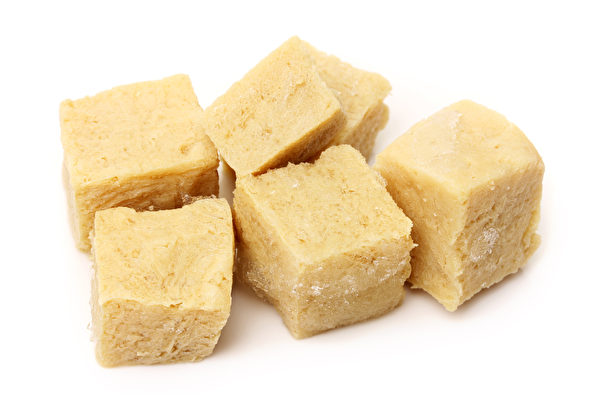
Tofu will not lose nutrients after being frozen
Due to the non water soluble nutritional content of tofu, it not only does not lose nutrients after freezing, but also contains more protein than before freezing, resulting in a better taste.
Freezing method: Cut the tofu into appropriate sizes, lay it flat on a flat plate, cover it with a layer of plastic wrap, and place it in the refrigerator. Be careful not to overlap tofu cubes together.
After freezing and thawing tofu, drain the water and cook. One of the popular ways to eat it is fried frozen tofu or deep fried frozen tofu, which tastes as delicious as meat.